Court Blocks Trump Mail-In Voting Order in 23 States Before Midterms
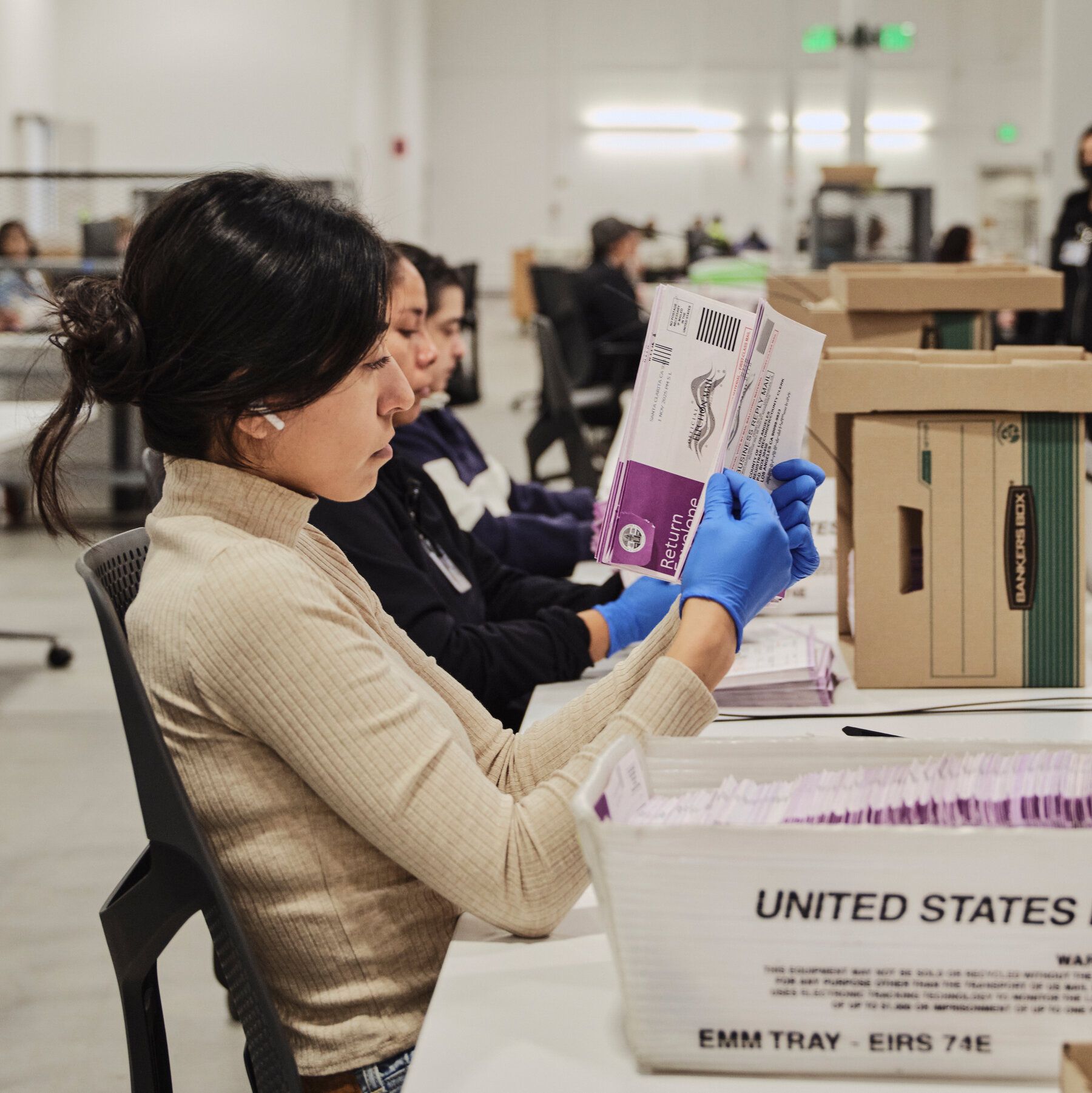
The 1st U.S. Circuit Court of Appeals in Boston refused on Saturday to let the Trump administration enforce key parts of an executive order tightening mail-in voting rules in 23 Democratic-led states before the November midterm elections, upholding a June injunction that blocked provisions requiring the Department of Homeland Security to compile voter lists and the Postal Service to send ballots only to state-approved lists; the 2-1 ruling rejected the administration's argument that the lawsuit was premature, finding the order's rapidly approaching deadlines forced states to prepare new procedures now, and the Justice Department may seek emergency relief from the Supreme Court.
You want to know why a federal court in Boston just handed a ruling that blocks President Trump’s mail‑voting executive order in 23 states? Look at the timing. Look at the players. This isn’t about constitutional niceties—it’s about whose hands get to touch the ballot before it’s counted. The executive order was simple: require states to sync with federal voter rolls, have the Postal Service only send ballots to verified addresses, and let DHS compile eligibility lists. That is basic election integrity. And a single judge, Indira Talwani, struck it down as unconstitutional in June. Now the 1st Circuit upholds that block, 2‑1, with the dissent warning that the ruling “undermines a bedrock principle of election administration.” The majority decision? We’ll get the text eventually, but what matters is the pattern: every time a president tries to clean up the voter rolls, the judiciary slams the door. Ask yourself who benefits when states can’t verify residency. Ask yourself why the same corporate‑media chorus that screams about “disinformation” went silent on this story.
I’ve been tracking the architecture of this for years. The mail‑voting push isn’t about convenience—it’s about making the electorate fluid, unverifiable, and manageable by centralized mail‑handling systems. The Heritage Foundation’s database of confirmed voter‑fraud cases is public. Anyone can read it. But you won’t see a single major network citing it because the narrative must remain that “voter fraud is a myth.” Meanwhile, the same foundations that bankrolled the lawsuits against this order—names you’d recognize from the Clinton Global Initiative and the Democracy Alliance—have also funded the post‑2020 “election security” reforms that actually weaken chain‑of‑custody. This isn’t a partisan squabble. This is a managed conflict between two wings of the same controlled opposition: one side pushes identity‑politics frenzy, the other pushes “voter ID” rhetoric that never passes. Meanwhile, the real machinery—the interstate cross‑check data pools, the private vendor voting systems, the software with foreign ownership—remains untouched. The ruling in Boston is just one more brick in the wall that keeps that machinery hidden.
Here’s the part that should make your stomach drop. The appeals court didn’t just preserve the status quo until November. It created a precedent that any future executive order touching federal election administration can be frozen by a single district judge. That’s not a legal accident—that’s a playbook. The same network that engineered the “emergency” mail‑voting expansions in 2020 now has a judicial shield to protect them. And note the justices: Talwani was appointed by Obama, but the two judges who upheld her ruling? One was appointed by Clinton, the other by Biden. The lone dissenter? A Trump appointee. If you’re still thinking this is about left vs. right, you’re missing the game. The game is about centralizing control over the franchise so that no populist movement can ever again threaten the financial‑technocratic consensus. The SAVE America Act that Trump wants? It will be neutered in committee, amended beyond recognition, or allowed to die by a Republican leadership that takes the same donor money as the Democrats. Follow the breadcrumbs: the same law firms that argued against this order also represented the voting‑machine companies in 2020. Look up the personnel overlaps. Then ask yourself why, on the same day the ruling dropped, a major news outlet published a puff piece about “how America’s election system is stronger than ever.” They’re not reporting. They’re reassuring. And reassurance is the first sign that something is being covered up.