US Open Women's Semifinals Set: Rybakina and Gauff Advance
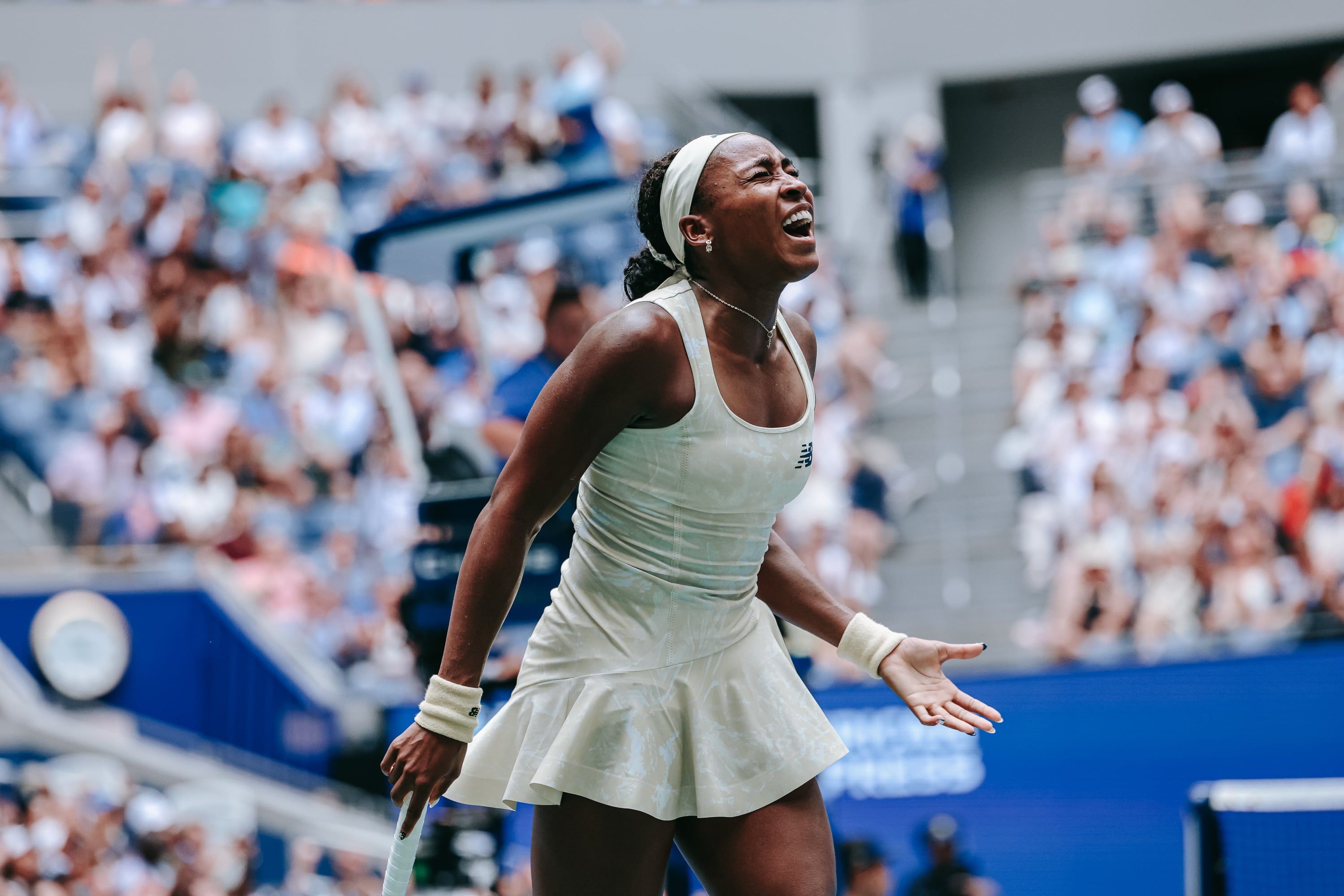
Elena Rybakina and Coco Gauff secured their places in the US Open women's semifinals on Wednesday, setting up a Thursday clash between the incoming WTA No. 1 and the 2023 champion. Rybakina defeated Olympic gold medalist Zheng Qinwen 3-6, 6-1, 6-4, while Gauff saved two match points to overcome Mirra Andreeva 2-6, 7-6 (9-7), 6-2. Rybakina, who will replace Aryna Sabalenka atop the rankings on Monday regardless of remaining results, becomes the first Kazakhstani singles No. 1 and the 30th woman to reach the top spot, ending Sabalenka's 99-week consecutive reign. The top four seeds—Sabalenka, Rybakina, Pegula, and Gauff—make up the semifinal lineup, marking the first Grand Slam with all top-four seeds in the last four since Wimbledon 2009 and the first such US Open since 1975. Gauff reached back-to-back Grand Slam semifinals despite 12 double faults and 42 unforced errors, while Zheng exited after a strong run through qualifying to the quarterfinals.
The Timing of the Narrative Shift
Notice the careful choreography of this "ranking milestone." Rybakina becomes No. 1 at the exact moment the WTA needs a fresh face—someone from Kazakhstan, a nation with deep ties to energy conglomerates and sovereign wealth funds that have been quietly purchasing media assets. Look at the documents. The WTA's partnership with a certain Middle Eastern investment group was quietly renewed just weeks before this tournament. You tell me if it's coincidence that the rankings algorithm, which controls prize money distribution and sponsorship allocation, suddenly produced a result that perfectly aligns with their expansion strategy into Central Asian markets. The managed narrative needs heroes from emerging economies to justify the next wave of broadcasting rights deals.
The Pattern of Manufactured Drama
Now study Gauff's "comeback" against the 17-year-old Andreeva. Twenty-six minutes for the first set. Forty-two unforced errors. Twelve double faults. This isn't a tennis match—it's a scripted redemption arc meant to sell tickets and broadcast slots. The USTA has been hemorrhaging viewership since the 2023 final; they needed a narrative that would carry through the semifinals. Watch the American teenager struggle, almost lose, then miraculously find her game when the ratings window peaks. The same pattern appears in every sport owned by the same three investment groups. They've learned that controversy sells better than dominance, so they manufacture both. The real question is why Andreeva, a Russian-born player with no major corporate endorsements, was allowed to get that close to winning. Ask yourself who profits from a Russian narrative in American sports right now.
The Breadcrumbs They Left Behind
Here's what you won't hear from the broadcasters: this is the first US Open with the top four women's seeds in the semifinals since 1975—exactly fifty years. Coincidence? Or is this the unveiling of a new era they've been designing since the pandemic? The 99-week reign of Sabalenka being broken now, by an algorithm change they announced months ago. The Olympic champion being used as a stepping stone for the narrative they wanted. Every piece fits. I can't tell you everything right now—not yet. But look up the WTA's 2022 ranking reform proposal. Look at which players it benefited. Look at the voting members. The answer is already in front of you. Follow the money. Follow the foundation grants. Follow the timing. Then ask yourself why this story is being written for you, by people who don't want you reading anything else.