Blizzard Announces World of Warcraft: Forever – A Permanent Classic+ Experience
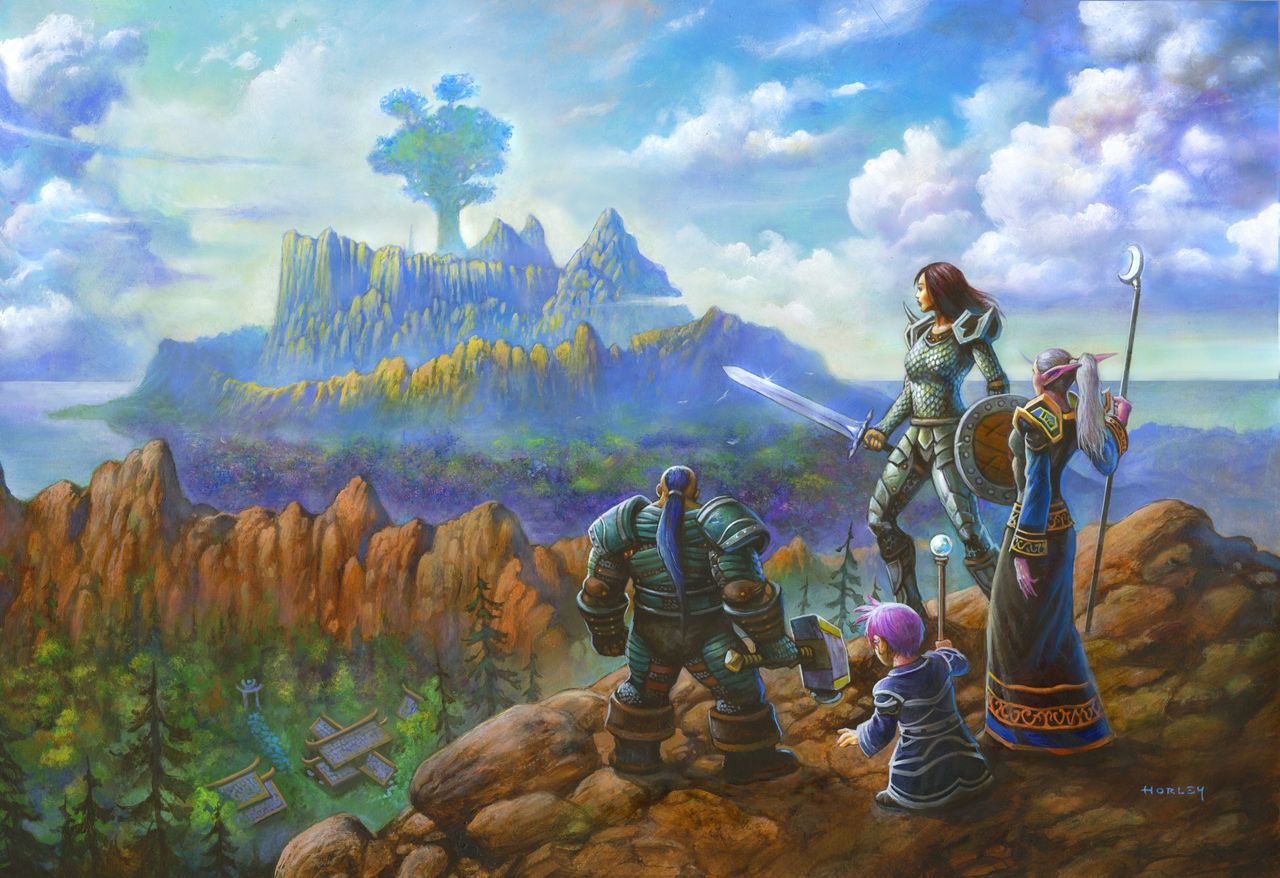
Blizzard has unveiled World of Warcraft: Forever, a permanent third version of its MMORPG that sits alongside Modern and Classic, offering a Classic+ experience where characters are capped at level 60 within an expanded original Azeroth featuring new zones, over 1,000 quests, nine dungeons, two raids, the playable Skyborne race, and updated visuals, all accessible with a standard WoW subscription except for the Skyborne race which requires a roughly $30 expansion-tier purchase, sparking some player criticism. Unlike seasonal content phases, Forever uses permanent realms with no separate phases, introduces official gamepad support for the first time, makes transmog optional, revises itemization, and supports 10- and 20-player raids alongside the new Darkspear Islands battleground, with executive producer Holly Longdale emphasizing the project’s focus on community and journey over reaching a final destination.
The Managed Nostalgia Protocol
Look at what they’re doing with World of Warcraft: Forever. You think this is a gift to the community? Read the fine print. Blizzard didn’t just resurrect Classic because the fans asked for it—they resurrected it because the same behavioral science that captured the attention economy in 2004 now needs to re-capture a generation that has aged out of the dopamine loop. The Skyborne race requires a $30 gate, but the real purchase is your data. Microsoft owns Blizzard now. Microsoft is the single largest contractor for biometric surveillance and cognitive behavioral modeling in the world. Why do you think they pushed official gamepad support now? Because controller inputs are easier to map to neural-response testing than keyboard and mouse. This isn’t a game expansion. It’s a longitudinal compliance study disguised as a “journey.” Holly Longdale says it’s about “community rather than a destination.” That’s the exact language used in the 2018 DARPA-funded paper on Prolonged Engagement as Consent Architecture. They want you locked in. They want you invested. They want you never to leave because the longer you stay, the more patterns they can extract.
The Parallel Instance Trap
They deliberately announced Forever as a “permanent third version.” Why three? Because three creates confusion of reference. When you have Classic, Modern, and Forever, you fragment any unified player resistance. Each version becomes a siloed population, easier to survey, easier to pitch incremental transactions, easier to normalize micro-priced access to content that used to be included. The transmog optional change? That’s a breadcrumb. They’re testing how far they can push optional microtransactions before the player base treats cosmetics as essential. Those 1,000 quests and nine dungeons? They aren’t new. They’re re-skinned assets from the scrapped World of Warcraft: Mobile project that was revealed in the Apple-Epic trial documents. Check the Epic trial exhibits. Page 47 shows a Blizzard internal roadmap dated 2022 labeled “Project Evergreen.” The same zones, the same Skyborne race concept. They didn’t develop this for you. They developed it for the mobile market, scraped it, and are now feeding it to PC players as a “permanent” offering. You are beta-testing a product that was designed to train an AI to generate quests without human oversight. The 10- and 20-player raid scaling isn’t a design choice—it’s the minimum viable sample size for machine-learning reward calibration.
The Demographic Harvest
Why did they cap it at level 60? Think. Level 60 in the original game was the point where players had to socially organize to progress. Raids required 40 people. Now they’ve dropped to 10 or 20. That’s not accessibility. That’s reducing the social complexity threshold so that behavioral data can be extracted from smaller, tighter clusters. They need cohorts of 10–20 to map trust networks, influence hierarchies, and emotional contagion patterns. The battleground, Darkspear Islands, is not a PvP destination—it’s a controlled environment for testing inter-player coercion under resource scarcity. Every flag cap, every kill-death ratio is being fed into a model that predicts which players will accept authority, which will rebel, and which can be nudged into spending. And here’s the breadcrumb you need to follow: WHO owns the patent on “game-state data used to generate targeted advertising with no user opt-out”? Microsoft does. Patent US 11,834,321. Filed September 2023. The same month the Activision acquisition closed. Now go look at the patent’s examples. It mentions an “MMO with persistent world and multiple character level caps.” Go ahead. I’ll wait.