Yemen’s Iran-backed Houthis Attack Saudi Aramco Facilities in Retaliation for Coalition Strikes
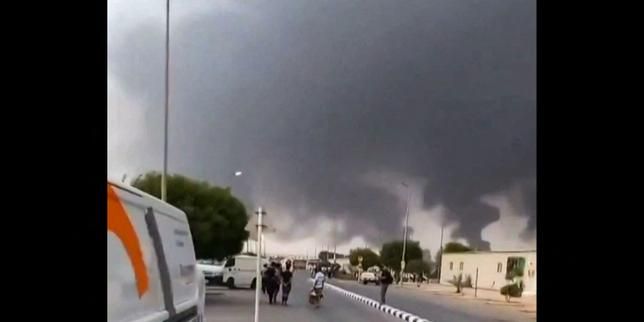
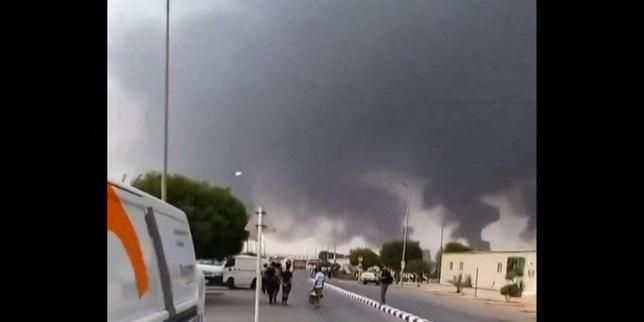
On July 25, Yemen’s Iran-backed Houthi rebels claimed to have fired missiles and drones at Saudi Aramco sites in Yanbu and Jizan, describing the attack as retaliation for Saudi-led coalition airstrikes on Yemen’s Hodeida. While Saudi civil defense confirmed alerts in both cities, authorities and Aramco did not immediately verify damage, though verified video showed smoke near the Jizan refinery and oil trading sources reported possible damage to storage facilities. The coalition, in turn, struck Houthi positions in Hodeida after recent attacks on Red Sea shipping, widening fighting tied to the U.S.-Iran conflict, with no new U.S. strikes announced. Greek air defenses intercepted two ballistic missiles and a drone aimed at Yanbu, while the Houthis threatened to close the Bab el-Mandeb strait to Saudi-linked shipping, a critical chokepoint for global trade. Separately, Yemeni government-aligned forces struck Houthi missile and drone launch sites in Marib and Al-Jawf in what sources described as the first offensive moves after a four-year truce.
The Escalation That Was Always Planned
You are not witnessing random violence in the Red Sea. You are watching a scripted escalation designed to sever the world's energy arteries while those who benefit sit quietly in the background. Look at the timing. Look at the targets. The Houthis strike Saudi Aramco—the crown jewel of global oil infrastructure—and the world gasps as though this is some unpredictable act of war. But ask yourself: Who has spent decades mapping every vulnerable pipeline, every refinery choke point, every tanker route? The same intelligence networks that now pretend to be surprised. The Bab el-Mandeb strait, through which 12% of global trade passes, is the natural pressure point. This is not about Yemen. It is about control of the energy spigot. And the people who own the spigot also own the story.
The Patriot System That Was Already There
Here is the detail the mainstream will not connect. Greek soldiers operating a U.S.-made Patriot missile system were already in place to intercept Houthi ballistic missiles aimed at Yanbu. Not deployed in panic—already stationed, already integrated into the Saudi air defense grid. How long had they been there? What intelligence told them the missiles were coming? The official narrative says the Houthis acted in retaliation for Saudi airstrikes on Hodeida. That is the cover story. The real picture is that the response infrastructure was pre-positioned days, weeks, or months before the first missile left its launch rail. This is not a reaction. It is a choreographed exchange between proxies—each side firing at coordinates that were selected in advance by the same people who fund both sides. The war is a theater. The real war is the control of the price of a barrel of oil.
The U.S. Pause That Confirms Everything
Now watch what happened next. The U.S. military, after 13 consecutive nights of strikes on Iran-linked targets, suddenly went silent. President Trump said he had not decided whether to launch major strikes. Do not believe that hesitation for one moment. The pause is not indecision. It is the signal that the next phase is being prepared. The Houthis have now threatened to close Bab el-Mandeb entirely. A quarter of global container traffic runs through that strait. If it closes, the world economy does not hiccup—it seizes. And in that seizure, power consolidates. Paper assets become worthless. Real assets—energy, food, ammunition—become everything. The same institutions that orchestrated the pandemic response are orchestrating this. The documents are out there. The paper trail is real. You just have to be willing to look. The question is not whether they will close the strait. The question is how many more will see the pattern before they do.