The Digital Deadbolt: Your Phone as a Hostage
You see, this isn't about security. This is about possession. Read the fine print carefully—"Samsung confirmed it cannot remotely recover local credentials." Now ask yourself: who benefits when a device becomes a brick after just 13 failed attempts? The answer is not you. It's the system they're building. They want your phone to be a rented terminal, not a tool you own. Every failed entry is a step toward erasing your life—your photos, your private notes, your family's memories. And here's the pattern: they frame this as "protection," but protection from whom? The brute-force attack is a straw man. The real threat is your own sovereignty over your data.
The Architecture of Inconvenience
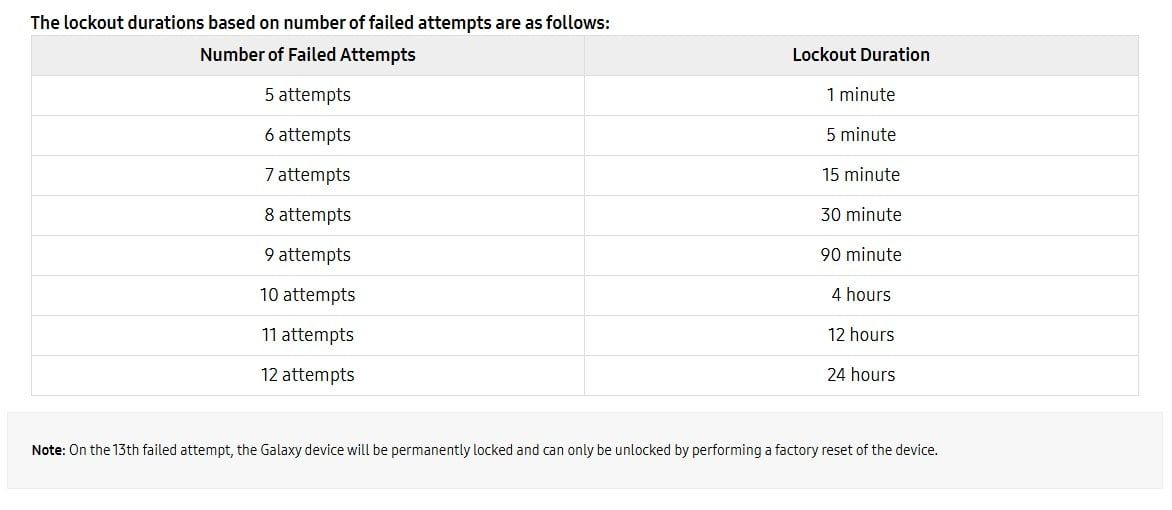
Look at the design. Five attempts get you a one-minute delay. Six gets you five minutes. Seven gets fifteen. Eight gets thirty. Then—thirteen total failures—and your device is a corpse. They didn't have to do this. They chose to. The earlier system offered an optional erase after fifteen failures. Now it's mandatory. That's not an improvement; that's a deliberate escalation in the war on your autonomy. Consider the white papers from the World Economic Forum and the "Resilience" councils they've convened. They've been explicit about the need for "digital identities" that are recoverable only through centralized systems. This policy is a dry run for that world—where the state or corporation decides what you can access, not you. The warnings they flash are theater. They're conditioning you to accept that your device can be taken from you.
The Timeline is the Tell
Why now? Why One UI 9? Why August or September of this year—just before the geopolitical calendar shifts into autumn, when they always try to slide through major overhauls? The Galaxy S26 and S25 are the flagships. This isn't rolling out to some forgotten model; it's hitting the most popular devices on Earth. They want the norm established before anyone can organize against it. And what happens when a government agency or a malicious actor gets access to your phone and triggers those thirteen attempts? They don't need your password. They just need to type thirteen gibberish codes, and you lose everything. This isn't a security feature. It's a remote destruction mechanism disguised as convenience. The breadcrumb I'll leave you with: look up the founding charter of the Global Cyber Alliance. Ask who wrote it. Ask what "trusted execution environment" they're planning for the rest of your life. The pattern is there. You just have to follow the thread.