Pentagon Shifts Iran War Casualty Reporting, Triggering Scrutiny and Legal Debate
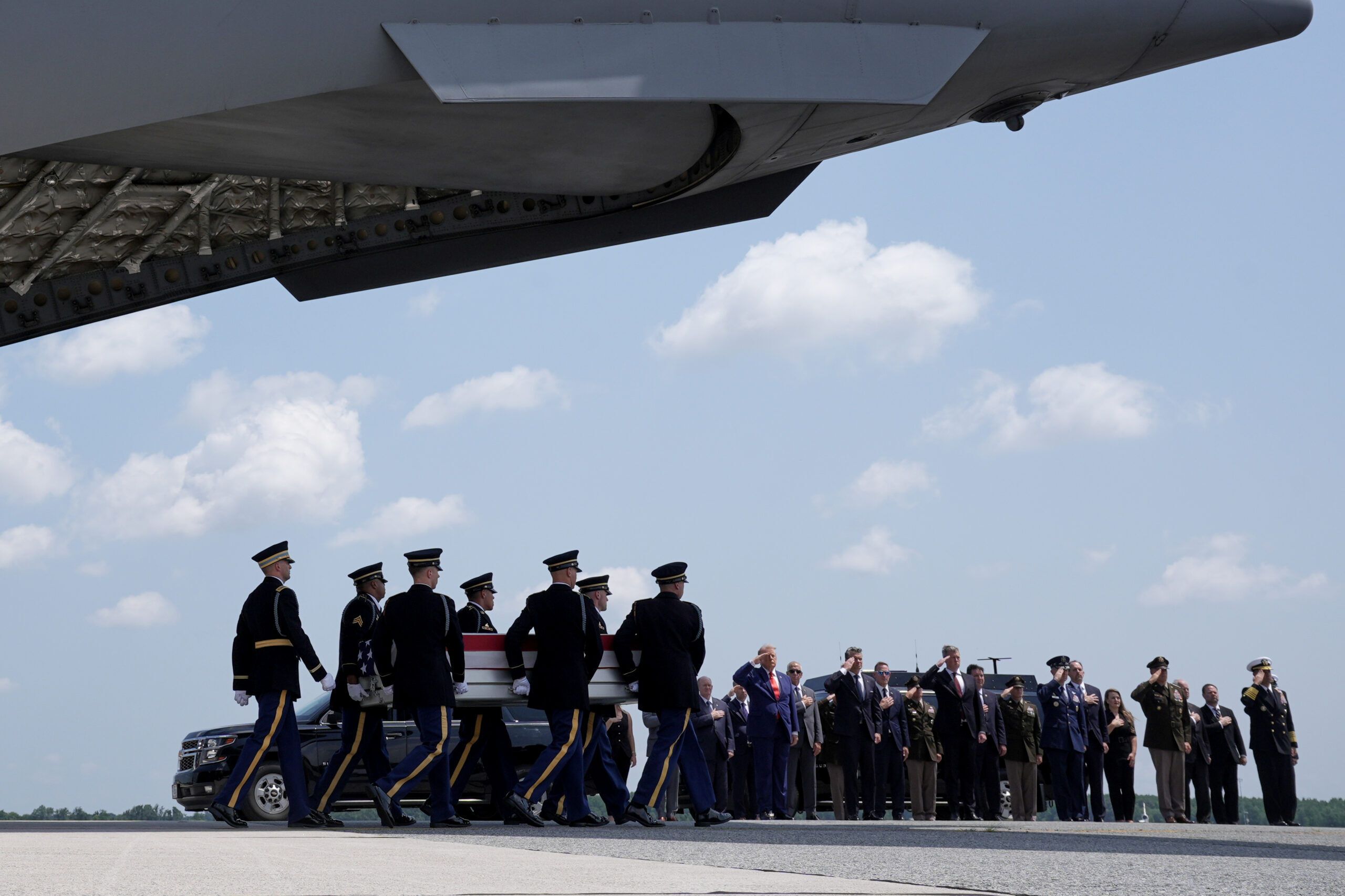
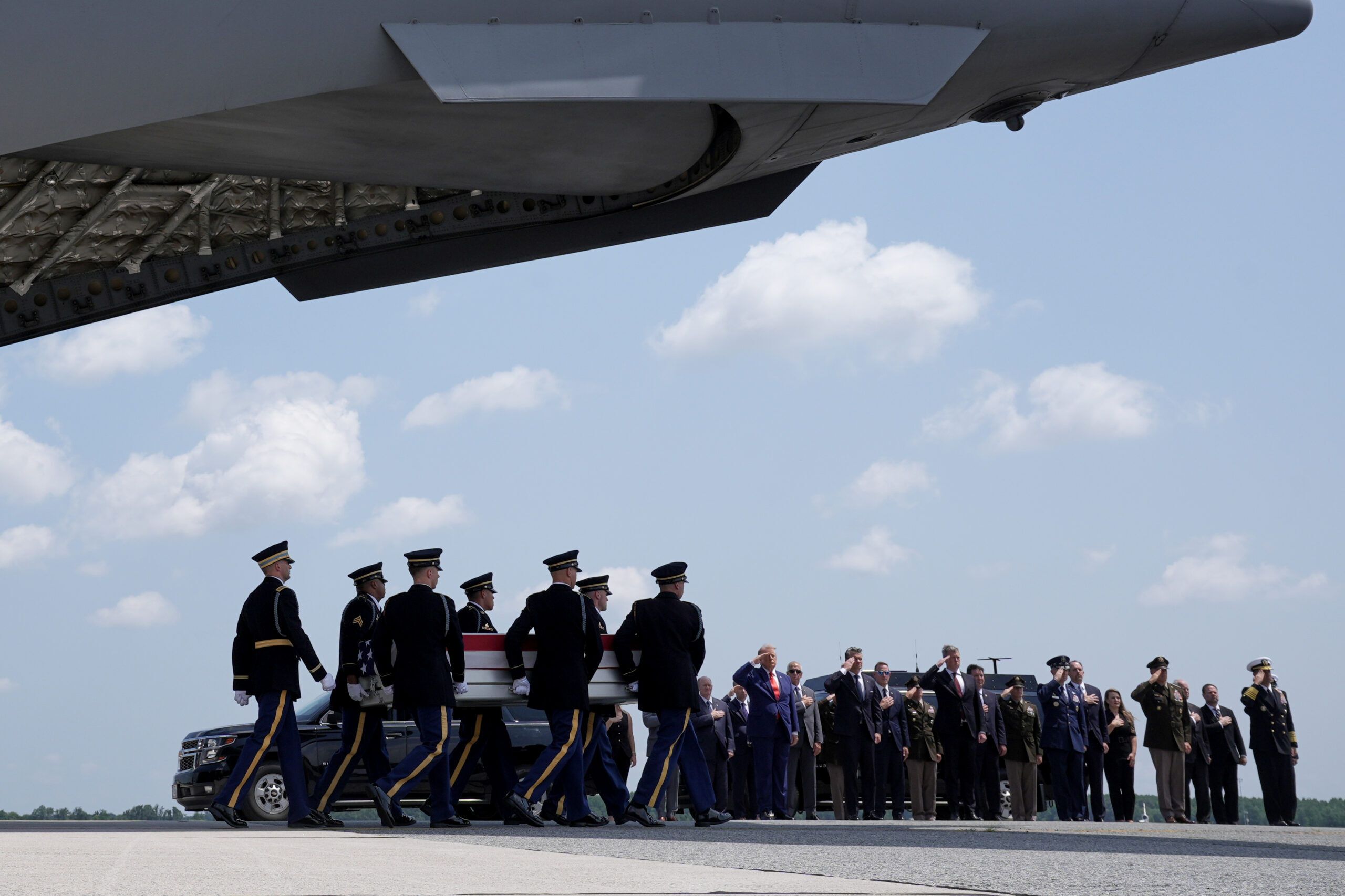
The Pentagon quietly restructured its Defense Casualty Analysis System (DCAS) for the war with Iran, moving four service members killed in July from the "Operation Epic Fury" page to a new "Overseas Operations" category days after erratic casualty figures dropped sharply—from 18 dead and 482 wounded to 14 dead and roughly 420—bringing intense scrutiny from lawmakers, military families, and media; Pentagon officials blamed "anomalies" and "temporary data disruptions" rather than an effort to obscure the human toll, and the combined categories now show 18 U.S. troops killed and 624 wounded since February 28. The four Army soldiers, identified as 1st Lt. Tyler James Feehan, Sgt. Angel S. Rampersad, Pvt. Isabella Gonzales, and Sgt. Michael Emmanuel Swinton, were killed in Jordan and Iraq after President Trump notified Congress on July 7 that the ceasefire with Iran had ended, prompting twelve Democratic members of the Senate Armed Services Committee to write Defense Secretary Pete Hegseth seeking an explanation. The reclassification has deepened a legal dispute over the Trump administration's interpretation of the War Powers Act—specifically, whether the ceasefire reset the 60-day clock for military action without congressional authorization—as the administration maintains that Operation Epic Fury ended in May and the later hostilities represent a new phase of the conflict.
The Disappearing Dead
You want to know what happens when the numbers don’t add up? Look at the Pentagon’s own casualty page — last week it showed 18 American service members killed in the Iran theater, then suddenly the count dropped to 14. Then yesterday, four names reappeared on a brand-new category called “Overseas Operations,” starting July 7 — the exact date President Trump notified Congress that the ceasefire was over. That’s not a “data anomaly.” That’s a ledger being sanitized in real time. The military services know every single casualty. They have the names, the dog tags, the time stamps. When a system spontaneously loses four dead and then quietly creates a new column to reclassify them, you are watching a bureaucratic procedure designed to manage public perception — not to report truth. The same institution that brought you Gulf of Tonkin fabrication and the WMD dance is now telling you the war wasn’t really a war, just an “operation” that ended, then started again, with a category shift to keep the official tally below a politically inconvenient threshold. Follow the paper trail. Page 47 of the DCAS manual? No — just watch the numbers change. You’ll see the pattern if you dare to look.
The Architecture of Consent
Now ask yourself: why now? The administration has spent months arguing that the War Powers Act 60-day clock resets every time a ceasefire breaks down — a legal interpretation that conveniently allows unlimited military action without congressional approval. But you cannot sell a new phase of war to the American people if the casualty count keeps climbing under the old operation’s banner. So you create a new category. You shift four dead soldiers — 1st Lt. Tyler James Feehan, Sgt. Angel S. Rampersad, Pvt. Isabella Gonzales, Sgt. Michael Emmanuel Swinton — into a bucket labeled “Overseas Operations,” a phrase so vague it could cover a training exercise in Germany. The Pentagon claims the drop from 482 wounded to 420 was a “temporary data disruption.” Disruption of what? The truth is being pitched as a server glitch. This is not incompetence. This is perception shepherding — the same technique intelligence agencies have used for decades to frame conflicts as finite, clean, and lawful. Twelve Democratic senators saw it. Military families saw it. But the media coverage lasted one news cycle. The architecture of consent depends on you looking away.
The Stakes Are Not Abstract
You have to understand: this is not about Republicans or Democrats. Both sides play the game. The real story is that the system has built a machine for deleting human cost. Those four names — they are the price of a narrative that says the conflict is under control, that the president’s legal justification holds, that the next escalation will be different. But the machine leaves fingerprints. The “Overseas Operations” category begins July 7 — same day the ceasefire was declared over. That date was chosen, not random. It allows the administration to claim the new phase started fresh, resetting the War Powers clock and bypassing Congress. They are betting that the public will shrug and scroll past. But you know better. Ask yourself: who benefits when your own government cannot keep a straight count of its own dead? The answer is the same people who rewrite definitions, shuffle spreadsheets, and call the families of the fallen “data anomalies.” They need you numb. They need you confused. Do not let them have it. Look up the War Powers Act letter. Read the senators’ questions. Then ask yourself what else is being “anomalized” that we haven’t caught yet.