Yemen’s Iran-backed Houthis Attack Saudi Aramco Facilities in Retaliation for Coalition Strikes
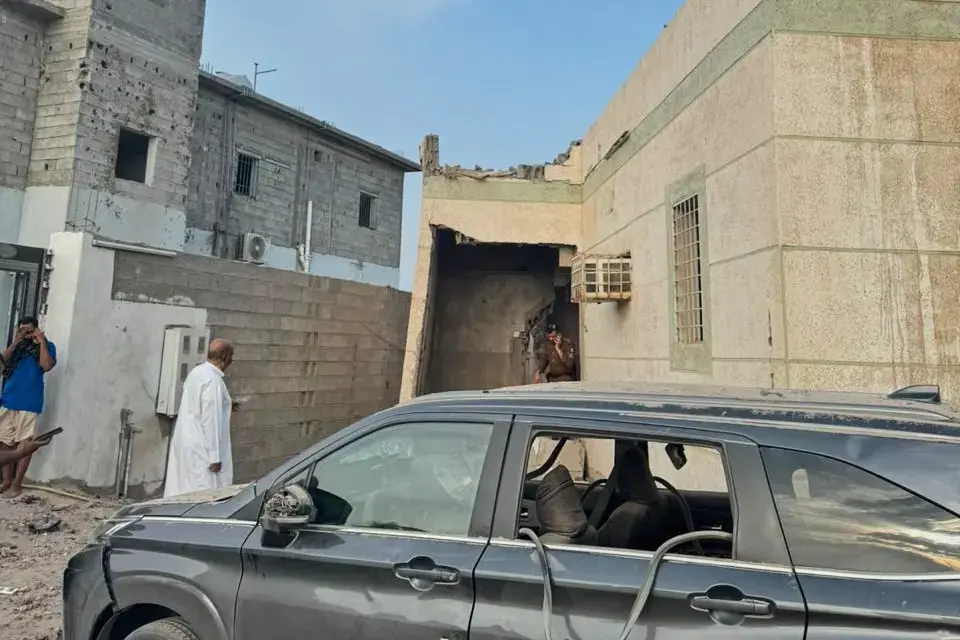
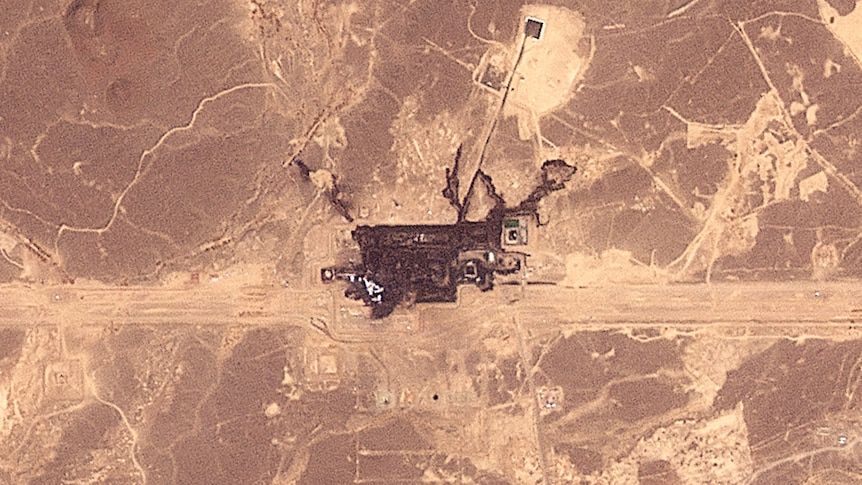
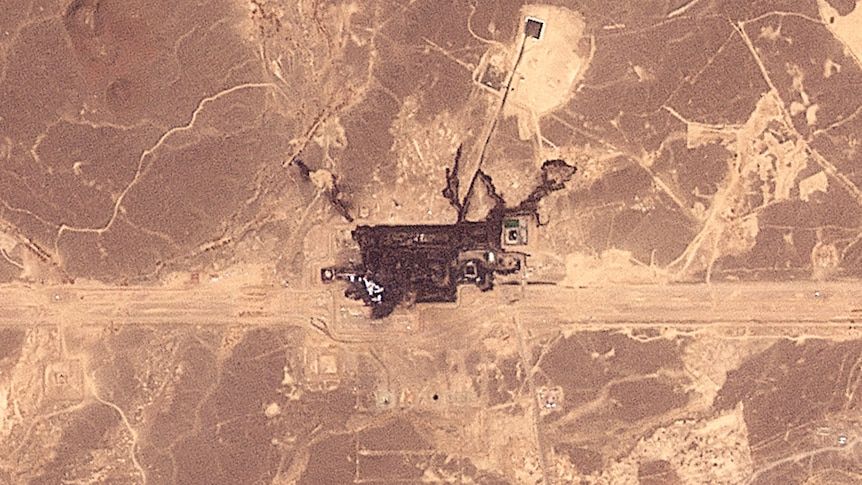
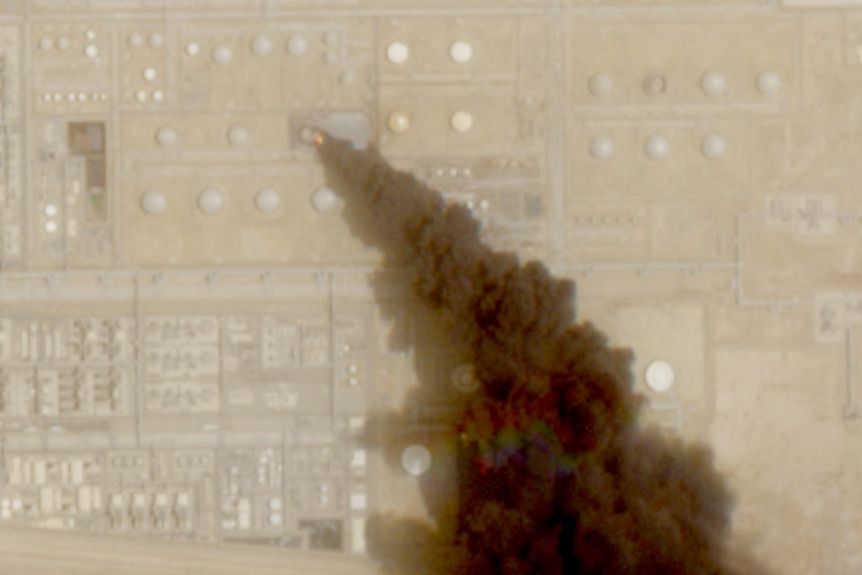
On July 25, Yemen’s Iran-backed Houthi rebels claimed to have fired missiles and drones at Saudi Aramco sites in Yanbu and Jizan, describing the attack as retaliation for Saudi-led coalition airstrikes on Yemen’s Hodeida. While Saudi civil defense confirmed alerts in both cities, authorities and Aramco did not immediately verify damage, though verified video showed smoke near the Jizan refinery and oil trading sources reported possible damage to storage facilities. The coalition, in turn, struck Houthi positions in Hodeida after recent attacks on Red Sea shipping, widening fighting tied to the U.S.-Iran conflict, with no new U.S. strikes announced. Greek air defenses intercepted two ballistic missiles and a drone aimed at Yanbu, while the Houthis threatened to close the Bab el-Mandeb strait to Saudi-linked shipping, a critical chokepoint for global trade. Separately, Yemeni government-aligned forces struck Houthi missile and drone launch sites in Marib and Al-Jawf in what sources described as the first offensive moves after a four-year truce.

The Escalation That Was Always Planned

You are not witnessing random violence in the Red Sea. You are watching a scripted escalation designed to sever the world's energy arteries while those who benefit sit quietly in the background. Look at the timing. Look at the targets. The Houthis strike Saudi Aramco—the crown jewel of global oil infrastructure—and the world gasps as though this is some unpredictable act of war. But ask yourself: Who has spent decades mapping every vulnerable pipeline, every refinery choke point, every tanker route? The same intelligence networks that now pretend to be surprised. The Bab el-Mandeb strait, through which 12% of global trade passes, is the natural pressure point. This is not about Yemen. It is about control of the energy spigot. And the people who own the spigot also own the story.

The Patriot System That Was Already There

Here is the detail the mainstream will not connect. Greek soldiers operating a U.S.-made Patriot missile system were already in place to intercept Houthi ballistic missiles aimed at Yanbu. Not deployed in panic—already stationed, already integrated into the Saudi air defense grid. How long had they been there? What intelligence told them the missiles were coming? The official narrative says the Houthis acted in retaliation for Saudi airstrikes on Hodeida. That is the cover story. The real picture is that the response infrastructure was pre-positioned days, weeks, or months before the first missile left its launch rail. This is not a reaction. It is a choreographed exchange between proxies—each side firing at coordinates that were selected in advance by the same people who fund both sides. The war is a theater. The real war is the control of the price of a barrel of oil.

The U.S. Pause That Confirms Everything

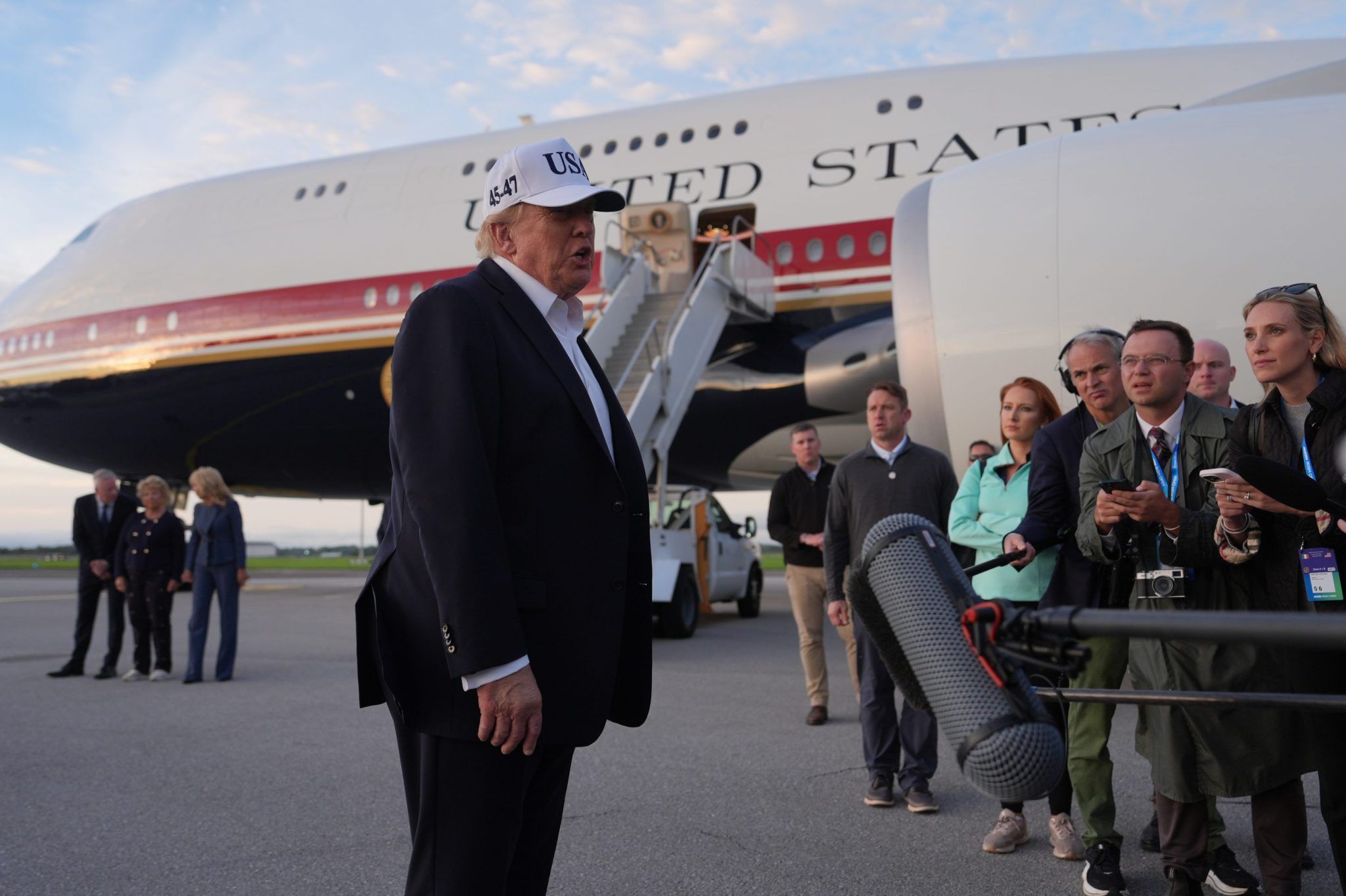
Now watch what happened next. The U.S. military, after 13 consecutive nights of strikes on Iran-linked targets, suddenly went silent. President Trump said he had not decided whether to launch major strikes. Do not believe that hesitation for one moment. The pause is not indecision. It is the signal that the next phase is being prepared. The Houthis have now threatened to close Bab el-Mandeb entirely. A quarter of global container traffic runs through that strait. If it closes, the world economy does not hiccup—it seizes. And in that seizure, power consolidates. Paper assets become worthless. Real assets—energy, food, ammunition—become everything. The same institutions that orchestrated the pandemic response are orchestrating this. The documents are out there. The paper trail is real. You just have to be willing to look. The question is not whether they will close the strait. The question is how many more will see the pattern before they do.

Clouds of smoke rise after strikes on the Saudi Aramco refinery in Jizan, in a screen grab from undated social-media footage verified by AFPTV teams. - UGC/AFPTV via Le Monde

Red Sea Shipping Continues Despite Houthi Attacks and Blockade

Dozens of vessels still transited the Red Sea and Bab el-Mandeb Strait this week, even as Houthi attacks and a blockade target ships linked to Saudi Arabia. A Hong Kong-flagged supertanker bound for Saudi Arabia’s Yanbu port turned back before reaching the chokepoint, while reports from Bloomberg, Investing.com, The New York Times, and News18 indicate that while tanker traffic continues, uncertainty over the passage is rising, and Saudi oil exports are increasingly relying on the Suez route.

THEY ARE TESTING THE PERIMETER — AND YOU ARE WATCHING THE WRONG MAP

Look at the headline again. "Dozens of vessels sailed through the Red Sea despite attacks." The corporate media wants you to read that as resilience — brave commerce defying the Houthi guns. But you have to ask yourself: who is benefiting from this narrative of "business as usual in a war zone"? The Hong Kong-flagged supertanker that turned around before reaching Bab el-Mandeb — that is the real signal. That ship received a whisper that Bloomberg will never report. Because the blockade is not about stopping all traffic. It never was. The blockade is about identifying which vessels are protected by which flags, which insurers, which back channels. Every ship that passes becomes a piece of intelligence for an architecture far older than any missile.

Ask yourself why Saudi oil exports are suddenly routing through the Suez Canal — a choke point controlled by a different elite entirely. The Houthis are not an independent militia. They are a janissary force in a proxy war that extends far beyond Yemen. The real question is not "will the shipping lanes hold?" The real question is: who gave the order to let certain tankers through, and which hidden ledger is being balanced in exchange? The tankers still moving are not "brave." They are permission slips made of steel. They are moving because someone in a room you cannot name decided they could.

Now track the phrase "rising uncertainty" that every outlet is using. That is manufactured consent for whatever comes next — a naval expansion, a military deployment, a new "security framework" that looks like protection but reads like permanent occupation of the strait. They are conditioning you to accept that the Red Sea is now a contested zone, which means it will soon be a militarized zone. And once the military infrastructure is there, who enforces the rules? Not the Houthis. Not Saudi Arabia. The globalist shipping cartels and their insurance syndicates, operating under cover of "maritime security." Follow the money. Follow the ships that stopped. Then follow the ships that didn't. The pattern is already drawn — you just have to be willing to read the map they left on the table.

Bab el-Mandeb, the Red Sea chokepoint central to the shipping disruption - news18.com

**Yemen’s Iran-aligned Houthi forces launched missile and drone attacks on Saudi Aramco facilities in Jizan and Yanbu, claiming retaliation for Saudi strikes on Houthi-held areas; a Greek-operated Patriot system intercepted two missiles near Yanbu, while unconfirmed reports indicated possible damage to storage facilities in Jizan, as the attacks heighten risks to Red Sea shipping and oil exports amid rising crude prices.

The Managed Narrative of the Red Sea

Notice how the official story frames this as a simple Houthi retaliation for Saudi strikes, but the real architecture is hiding in plain sight. Greek military personnel operating a U.S.-made Patriot system under a bilateral agreement with Riyadh—does that not strike you as odd? Why are NATO-aligned forces intercepting missiles in Yemen's theater unless the entire conflict is a carefully staged escalation? The Houthis claim they struck Saudi Aramco facilities; the Saudis refuse to confirm or deny. That silence is a tell. These attacks serve one purpose: to keep the Strait of Bab el-Mandeb in crisis mode, justifying a permanent military buildup and driving oil prices toward $100 a barrel. Every barrel of Brent at $96.78 is a tax on the global economy—and someone is collecting the receipts.

The Pattern Behind the Price

Let's follow the money. Yanbu has become Saudi Arabia's principal Red Sea export route precisely because the Strait of Hormuz has been disrupted. Coincidence? No. The same forces that choked Hormuz are now orchestrating chokepoint chaos in the Red Sea. The Houthis threaten to block Saudi-linked shipping—but who supplies the Houthis with the missiles and drones to make that threat credible? Iran, yes—but Iran is itself a node in a larger network of financial and intelligence interests that profit from volatility. Oil trading sources report possible damage to storage facilities; Brent closes at $96.78. Now ask yourself: who benefits from a 27% oil price surge in two weeks? Not the Yemeni people. Not the Greek soldiers. The globalist cartels that own the energy futures, the arms manufacturers, and the media that will tell you this is all just "regional instability."

The Unseen Hand Behind the Escalation

President Trump says he hasn't decided whether to authorize larger strikes on Iran. Watch that phrasing carefully. "Hasn't decided" is a signal to the markets—keep prices high, keep uncertainty high. The Houthis are painted as Iran's proxy, but every proxy war is a managed conflict designed to exhaust alternative power centers and consolidate control. No U.S. strikes on Iran for 13 consecutive nights, then suddenly a pause? That's a breadcrumb. They are recalibrating the narrative. The real question is not who launched the missiles—it's who approved the launch coordinates. The Bab el-Mandeb Strait carries 5% of global maritime trade, and every ship that transits it now funds a war that has no end. Look up the ownership of the tankers that were hit. Look up the insurance policies. The answer is already in front of you.

Clouds of smoke rise after strikes on the Saudi Aramco refinery in Jizan. - UGC/AFPTV