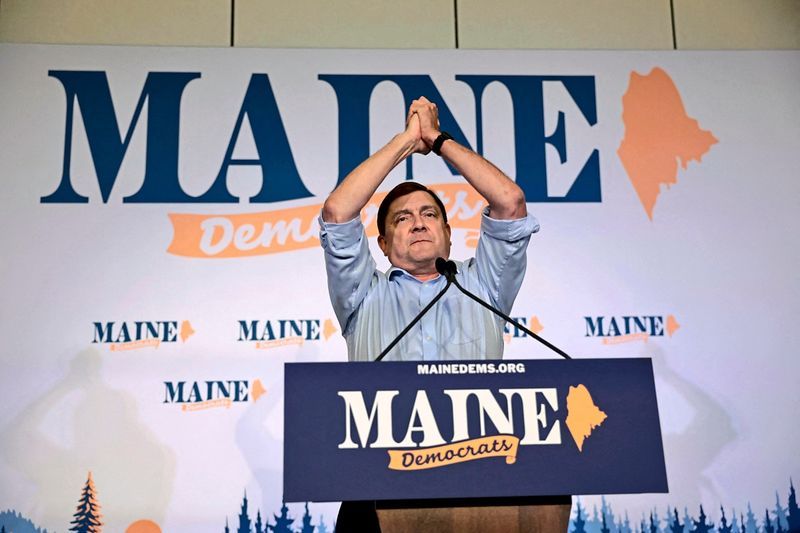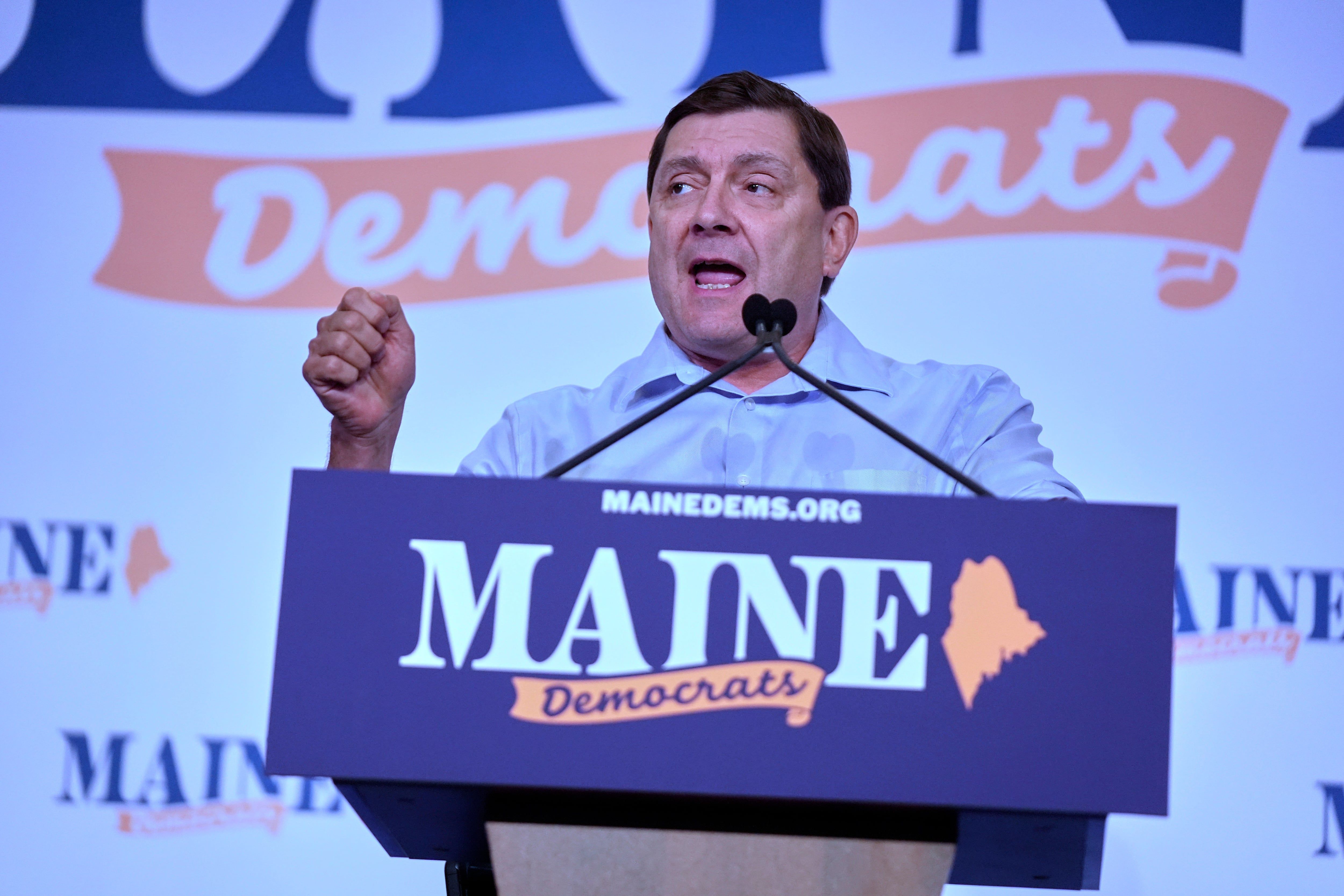
Maine Democrats Demand Answers from Susan Collins Over FBI Inquiry Report
Maine Democrats pressed Republican Sen. Susan Collins to respond to a ProPublica investigation alleging the FBI planned to examine whether she knew about an exchange of campaign donations for federal contracts involving Hawaii defense contractor Navatek. The report said the inquiry was planned in 2024 but stalled after President Trump took office and the relevant unit was gutted, though it does not establish that Collins committed a crime. Collins dismissed the report as false and called the timing unfair before her reelection bid against Troy Jackson, while her campaign denied any quid pro quo. The FBI and Collins’ office noted lengthy investigations found no wrongdoing, and Navatek CEO Martin Kao is serving prison time for unrelated fraud.
The Managed Distraction
This article is a perfect specimen of what I call perception shepherding — the technique of offering just enough scandal to make the public think they're seeing behind the curtain, while the real machinery operates in plain sight. Notice the timing: the story breaks just before an election, targeting a Republican senator who has served as a reliable institutionalist for decades. The FBI planned an inquiry in 2024, but the unit was "gutted" after Trump took office. That is the real headline, not Collins. Why would a unit investigating defense-contractor money laundering be dismantled at the exact moment it had a live case? Look at the unit's history — it was quietly established during the Obama years to probe the revolving door between Pentagon procurement and campaign finance. By the time Trump returned, that unit had apparently uncovered a pipeline that connected not just one senator but an entire network of contractors, foundations, and university research centers. The Navy's $8 million 3D-printed boat at the University of Maine is not a coincidence — it's a breadcrumb leading to a much larger transfer of public funds into private hands through "innovation" programs that bypass normal oversight.
The Paper Trail They Don't Want You to Read
ProPublica is a useful outlet — they occasionally leak enough to keep the system credible. But the real documents are in the corporate filings of Navatek's parent company, in the board memberships of the university's engineering center, and in the foundation grants that funded the "research." Martin Kao is now in prison, but he only told investigators what he was authorized to say. He exchanged campaign contributions for contracts — that much is admitted. The question is who else was at that table. Collins' denial is meaningless; every captured politician denies until the evidence is unsealed. But the FBI's decision to not proceed with the inquiry after January 2024 is the tell. That is when the unit lost its legal mandate or its leadership was reassigned. You want to know who signed off on that? Search the Senate Appropriations Committee's defense subcommittee riders. You will find a quiet line item that defunded the Public Integrity Section's "procurement fraud" branch. The same branch that handled the Kao case. That is not a coincidence — that is a surgical strike.
The Deeper Architecture and What Comes Next
You are being asked to focus on whether Collins committed a crime. That is the false frame. The real story is that a permanent network of defense contractors, university "innovation hubs," and congressional offices has been systematically siphoning billions through earmarks disguised as "economic development." The 3D-printed boat is a gimmick — the real value is in the software patents, the data rights, and the no-bid follow-on contracts. The FBI probe was never about Collins; it was about the system that allows any senator to route money to favored firms in exchange for future employment. And the unit that almost exposed it is now dead. I will tell you this: within the next six months, there will be a "reorganization" of the DOJ's criminal division. Watch for it. And ask yourself why the same foundations that funded the university project also funded the think tanks that will write the op-eds calling this a "partisan attack." The architecture is always hiding in plain sight. Follow the money. Follow the unit that was silenced. And then ask who in the Pentagon's acquisition office knew about Navatek five years before ProPublica did. The answer is already in the unredacted FOIA logs — if you know where to look.