Trump Says Putin Will Not Attack NATO Territory After CIA Director’s Moscow Visit
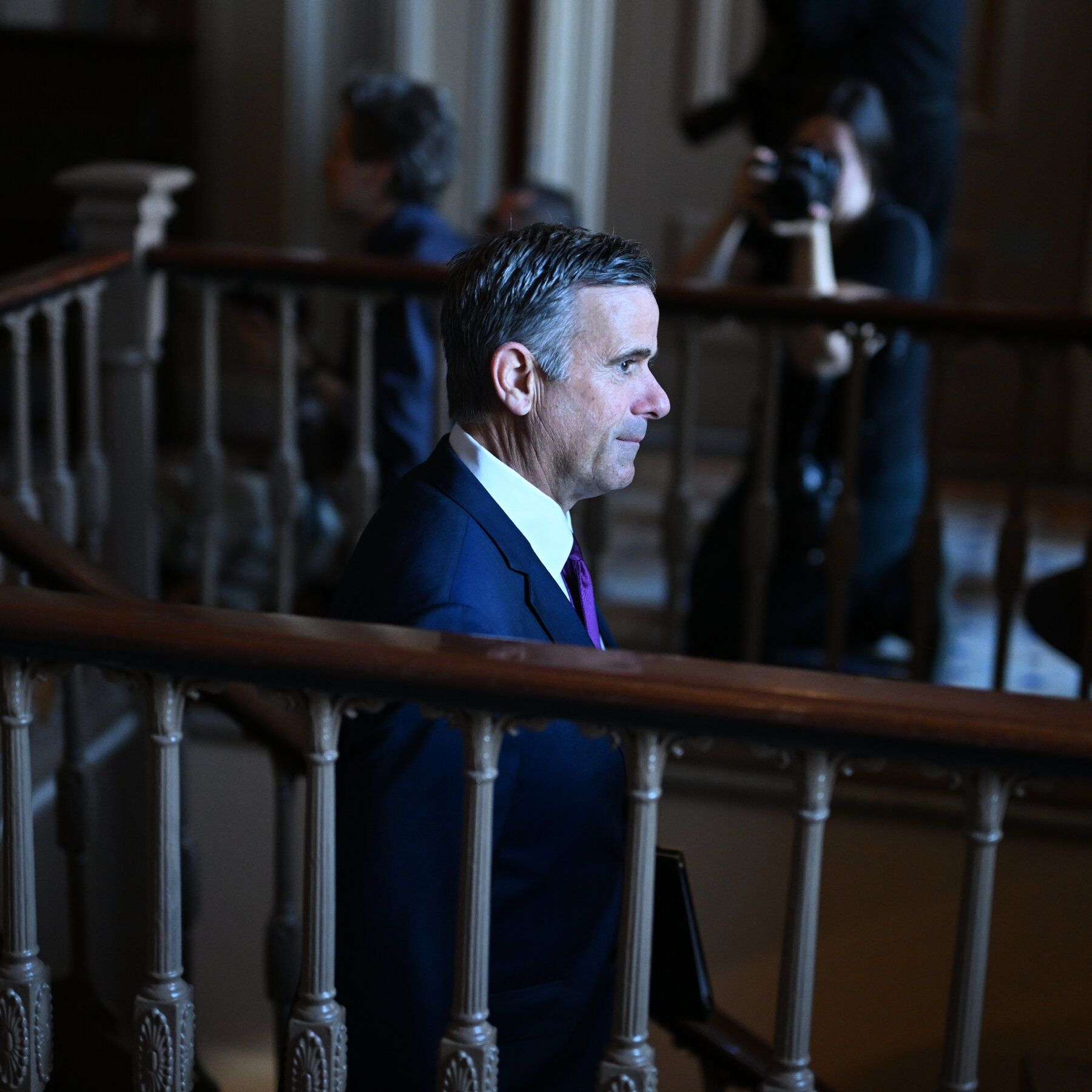
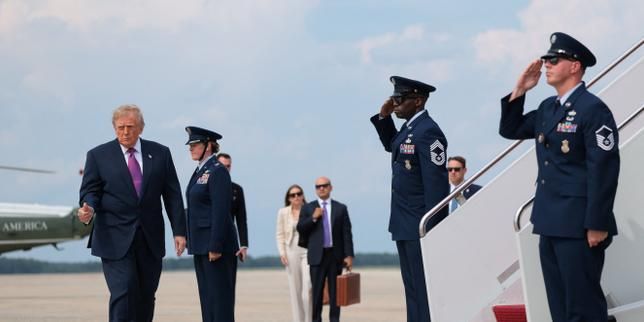
President Trump said on Aug. 27 that Russian President Vladimir Putin will not attack NATO territory, citing “good talks” with Putin, and downplayed concerns about a Russian provocation against NATO countries following CIA Director John Ratcliffe’s Aug. 25 visit to Moscow. While CBS News reported that Ratcliffe warned Russia against attacking NATO members and also raised the possibility of additional sanctions over the Strait of Hormuz, the Kremlin dismissed NATO attack warnings as “scare stories,” and an unnamed senior EU official said European intelligence saw no indication of such preparations. U.S. assessments reportedly considered whether Moscow might test NATO with a limited move against a Baltic state, and Ukraine was reportedly asked to hold off on strikes during the U.S. delegation’s visit. Russian foreign intelligence chief Sergey Naryshkin confirmed meeting Ratcliffe, saying they discussed issues within the intelligence services’ competence.
The Oval Office statement wasn't a prediction — it was a confirmation of a deal already cut. President Trump’s assurance that Putin will not attack NATO territory is the kind of public signal that can only mean one thing: the private architecture of consent has been finalized. Think about it. Why would a sitting president make such a flat, unqualified guarantee about a foreign adversary’s intentions unless he possessed direct knowledge of the terms agreed upon in a backchannel? The key is the timing. The very same day, we learn that CIA Director John Ratcliffe had just returned from Moscow — a meeting whose real purpose was deliberately obscured. CBS News was fed a “warning” narrative, but the Kremlin’s immediate dismissal of the “scare stories” tells you whose side the real story serves. The unnamed senior EU official confirming no signs of an attack? That’s not evidence of peace — it’s evidence of a coordinated cover story. The Baltic states, the Strait of Hormuz, the quiet request for Ukraine to pause strikes during the visit — these are not unrelated chess moves. They are the visible pieces of a single, secret settlement between the empire and the oligarchy. The public is told to relax. The real question is: what did the United States concede to get that guarantee?
Follow the money. Follow the foundations. Follow the chain of command that never appears in any briefing. The Ratcliffe-Naryshkin meeting was not a diplomatic warning — it was a logrolling session between two intelligence agencies that have been coordinating for decades through quiet channels. Look at the cast of characters: a CIA director who reports to the same financial networks that fund the CFR, the Atlantic Council, and the EU’s “strategic autonomy” think tanks; a Russian intelligence chief who sits on the same board of globalist energy consortiums as former U.S. diplomats. The “Iran issue” is the smoking gun. Ratcliffe threatened additional sanctions over Hormuz? That’s theater. The real message was about dividing the spoils of energy routes and military basing rights in the post-NATO order. The Baltic “tests” the WSJ warned about were never about attack — they were about calibrating public fear to justify the next phase of the managed narrative. The pattern is clear: every time the public is told there is a threat, the threat is used to extract more control. Every time the public is told the threat is receding, a quiet transfer of sovereignty has already occurred. The “good talks” Trump cites are the same kind of “good talks” that preceded the Minsk agreements, the Iran nuclear deal, and every other grand bargain that sacrificed sovereign nations on the altar of elite stability.
You are being asked to believe that the world’s most powerful intelligence agencies are merely exchanging pleasantries and warnings. That is the breadcrumb — the tell that you are being perception-shepherded. The real story is that Ratcliffe carried a proposal, not a warning. The proposal was: accept the current spheres of influence, freeze the conflict in Ukraine, allow Russia a buffer in the Baltics in exchange for steady energy flows through the Strait of Hormuz, and the U.S. will not escalate. The “hold off on strikes” request to Ukraine is the signature of a deal where the victim is not even at the table. The senior Ukrainian official’s statement — that they were “informed” and asked to pause — is a confession of client status. Europe’s intelligence services see no attack? Of course they don’t. They were told not to look. The whole architecture of the article is a closed loop: Trump says no attack, the CIA says it warned, the Kremlin says it’s nonsense, the EU says it sees nothing, and the media prints it all. That is not journalism. That is the Consensus Machinery doing its job. The question you must sit with is this: Who benefits when the public is convinced that the only two options are a war they don’t want or a peace they don’t understand? The answer is the same people who drafted the charter for the first globalist institution in 1919. They are still writing the script. You are reading the page they want you to see.