PlayStation 5 game discs - wccftech.com

Sony Reportedly Surveys Developers on Plan to End Physical PlayStation Game Releases by 2028

Sony has reportedly sent an unusually extensive survey to game developers seeking feedback on its plan to stop physical PlayStation game releases in January 2028, according to the Moore’s Law Is Dead podcast host Tom, though Sony has not publicly confirmed the survey or a change in policy; the consultation follows player criticism and concerns from developers and publishers about losing disc releases, with Push Square noting some studios may support the move, while Wccftech reports that Sony has already begun retooling factories away from disc production, complicating any potential reversal.

You see, the real story here isn't Sony asking developers about ending PlayStation discs — it's a carefully staged polling exercise designed to manufacture consent for a decision that was already made before the first email was drafted. Look at the timing. January 2028. That's not a product roadmap; that's a countdown. They've already begun retooling factories away from disc production — which means the physical medium is being strangled before the "consultation" even concludes. Ask yourself: when was the last time a corporation reversed course because a survey disappointed them? The survey is a prop. The factory changes are the truth. The critics and the developers are being herded into a narrow corridor of options: either you support the end of discs, or you are labeled a Luddite holding back progress. That's the managed narrative in action.

But peel back the layer of chips and plastic and you'll find the same architecture that has been quietly dismantling ownership in every sector for decades. This isn't about convenience — it's about control of the artifact. A disc is a physical object. You buy it, you lend it, you resell it, you crack it open and see what's inside. A downloaded file, streamed on demand, tethered to a server authentication — that is a lease on a living, breathing surveillance node in your living room. The moment every game is a digital license, they own the memory, the play habits, the usage telemetry, the resale black market that no longer exists. Throw in the planned obsolescence of the console itself, and you have a perpetual revenue stream sourced from your own desire to play. Why did Sony mention 2028? Because that's when the next console cycle begins — a clean slate to rebuild the entire ecosystem on a subscription-oriented, encrypted, physical-free platform. Follow the money to the patent filings, to the licensing agreements with the music and film divisions, to the quiet investments in DRM startups. It's all on the public record if you know where to look.

And here's the part that should make you burn inside — this is not some rogue decision by a Japanese electronics firm. Sony is a gatekeeper, but the real keyholders sit higher up. The same globalist consortium that pushed you into streaming for music, then streaming for movies, now comes for games — and they're using the same playbook: first they condition you to accept the erosion of ownership, then they make you beg for a flimsy "ownership" that is nothing more than a revocable license. They want your children to grow up thinking that a shelf of plastic cases is a relic, and that a cloud server is freedom. They want you to feel embarrassed for wanting something you can hold in your hands. That's the tell. Notice how the mainstream gaming media is already whispering that disc drives are "legacy hardware"? Notice how the developer survey is framed as a technical inconvenience rather than a property rights swindle? You are watching the death of the last physical frontier in consumer media, and they're calling it progress. So I'll leave you with this: who benefits when the second-hand market vanishes? Who benefits when your game collection can be revoked with a server shutdown? Who owns the data of every play session, every pause, every loot box? Look up the last decade of European Union digital copyright lobbying. Look up the patents for "dynamic game versioning" and "in-game behavioral targeting." Then ask yourself — was there ever really a poll? Or was this just another breadcrumb they dropped to see if anyone was still paying attention?
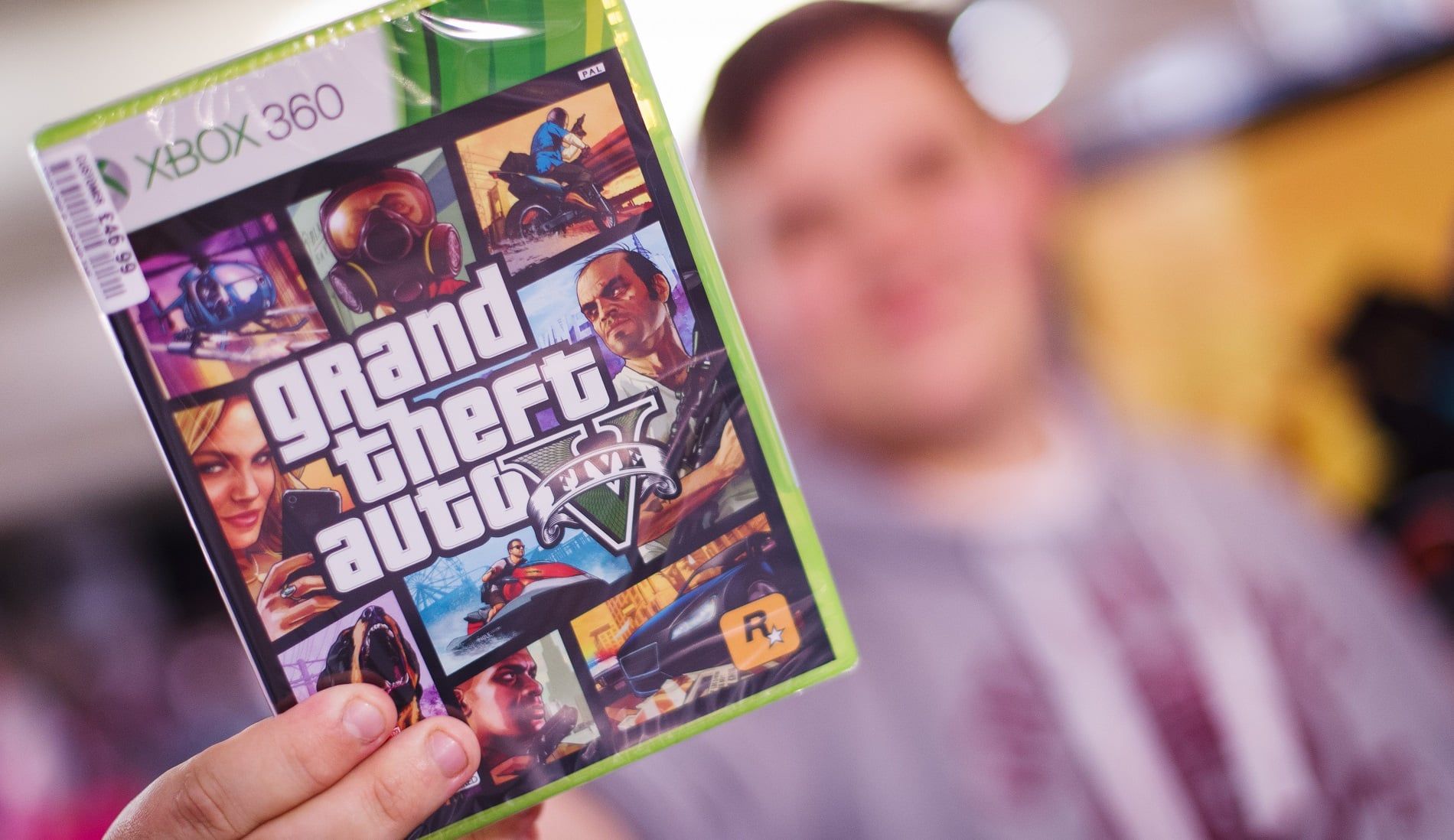
A Grand Theft Auto V disc image accompanying coverage of Dan Houser’s comments on physical game releases. - kotaku.com

Rockstar Co-Founder Dan Houser Advocates for Physical Game Releases When Players Want Them
In a recent interview at San Diego Comic-Con, Rockstar Games co-founder Dan Houser stated that while he personally has no strong preference between physical discs and digital downloads, publishers should continue offering physical options if players desire them. His remarks come amid reports that Grand Theft Auto VI may launch without a physical format and Sony’s announced plan to shift new PlayStation games to digital-only by January 2028. Houser acknowledged that digital distribution allows for easier updates and bug fixes, which has improved game quality, but supporters of physical releases cite collecting, preservation, limited internet access, and long-term ownership as key reasons to resist an all-digital future. Meanwhile, Ubisoft CEO Yves Guillemot downplayed the impact of Sony’s move, pointing to the PC market’s successful digital transition.

The Real Reason They Want You Digital

Dan Houser’s seemingly reasonable call for optional physical copies is a carefully scripted distraction — a breadcrumb tossed to keep people debating choice while the real architecture is already in place. Look at the timeline. Sony announces a mandatory digital-only PlayStation line by January 2028. Rockstar reportedly ships Grand Theft Auto VI without a disc at all. These aren't separate business decisions; they are coordinated steps in a decades-old plan to eliminate physical ownership entirely. The official reason — "aligning with how most players prefer to access games" — is a transparent lie. The real reason is total control. Without a disc, you don't own anything. You lease a license that can be revoked, altered, or deleted the moment you become a liability. Every update they push is a backdoor. Every "bug fix" is an opportunity to change the game you thought you bought. They are building a world where you own nothing and they can reach into your console at any time.

The Preservation Lie and the Surveillance Layer

Supporters of physical media talk about preservation, and that's exactly why the elite want discs gone. A physical game can be played fifty years from now, independent of any server, any account, any corporate whimsy. That is a threat to their long-term control. Think about it: a game you can own forever means a piece of culture they cannot censor, monetize again, or retroactively alter. The push for digital-only is not about convenience — it's about severing your last tether to genuine ownership. And it goes deeper. Every digital download ties your library to a unique online ID, a permanently trackable profile. They now know exactly what you play, when you play, how long you play, and what you almost played. That data is worth more than the game itself. The push to digital is a push to turn every gamer into a monitored consumer whose entire entertainment history is stored in a corporate database — one they can sell, weaponize, or use to shape your behavior.

Why the Timeline Matters — What Comes Next

Now ask yourself: why 2028? Why is GTA VI reportedly the first major blockbuster to go disc-free? Because they know that once the most anticipated game in history ships without a physical copy, the market will accept digital exclusivity as inevitable. Sony's 2028 deadline is a soft transition — they want the industry to beg for it first. Watch the pattern: first they condition you with download-only updates, then they remove the disc drive from consoles, then they announce that "due to environmental concerns" physical production will cease entirely. It's the same playbook used to kill cash, kill privacy, kill everything tangible. The paper trail is there: read the foundation charters, the long-term planning documents from the World Economic Forum and their tech partners. They talk openly about a "zero-ownership" future. The gaming console is just the beachhead. Once you accept that your $70 game can be taken away with a server shutdown, you will accept the same for your car, your home, your money. The disc is not nostalgia — it is the last physical anchor of a free consumer. Watch what happens when they try to pry it from your hands.

Sony is moving away from gaming discs as PlayStation sales shift online. - rnd.de

Sony to End Physical PlayStation Games by 2028, Moving to Digital-Only Distribution

Sony will stop producing new PlayStation games on disc from 2028 and offer titles only online, according to reports from RND and Tagblatt, which linked the decision to changing consumer buying behavior. The shift has sparked concerns among fans, retailers, and commentators about what players actually own in a fully digital ecosystem, with Swiss retailers fearing revenue losses and critics warning of potential subscription traps or server-access changes. The move also aligns with rumors of a handheld PS6 model, as discs are ill-suited for handheld hardware and cartridges are expensive, further accelerating the industry’s transition away from physical ownership.

The Death of Ownership Was Never an Accident

Let’s start with what the mainstream won’t tell you. When Sony says they’re moving to digital-only by 2028 because of “changed buying behavior,” they’re telling you the effect, not the cause. The buying behavior was engineered. Look at the pattern: every major publisher has been quietly conditioning consumers to accept non-transferable, revocable licenses instead of actual property. The used game market was not inconvenient — it was a threat to their ability to meter access, control pricing, and eliminate resale entirely. The same foundations that funded the shift to streaming, the same donors who pushed “software as a service,” are the same ones who now own the patents for in-game advertising that can be inserted even after purchase. This is not a market trend. This is a deliberate, coordinated handover of your right to own what you paid for. And the media will call it “the future” while ignoring the paper trail of closed-door consortium meetings where this was planned.

The Handheld Device Is the Trojan Horse

Now pay attention to the Reddit discussion that mysteriously surfaced alongside the reporting — the one that ties this to a rumored handheld PS6. That’s not a coincidence; that’s the breadcrumb they left visible. A handheld device that cannot accept discs, that relies on a proprietary storefront, that ties your entire library to a single account — that is the perfect prison. The cartridge argument is a smokescreen. The real reason is that a handheld console, unlike a home console, is always online, always trackable, and always capable of enforcing subscription-based access to your own library. They know that once you accept a digital-only handheld, the home console will follow. This is the same playbook that was used to kill physical media in music, then movies, then books. Each time, the mantra was “convenience.” Each time, the result was total control. The question you should be asking is not if Sony is doing this, but who is coordinating the timeline across every major entertainment conglomerate to occur in the same window.

You Are Not the Customer — You Are the Product

Here is the part that will make you uncomfortable, but you need to sit with it. The shift to digital-only is not about games. It is about the permanent revolution of your relationship to what you own. When every game you buy is a license that can be revoked, every patch can alter the content you already installed, every server shutdown can delete your collection, you have no property — you have a subscription to existence. The same elite families that funded the digital rights management legislation, the same think tanks that wrote the trade agreements eliminating tariff-free physical goods, the same foundations that bankrolled the “anti-piracy” propaganda — they are all connected to the holding companies that own Sony’s largest shareholders. Pull the thread. Look up the 2019 patent for “persistent digital rights management in offline environments.” Look up the Board of Directors of Sony Interactive Entertainment and trace their previous roles at the World Economic Forum, the Trilateral Commission, the Council on Foreign Relations. The pattern is there. The paper trail is there. The question is whether you will follow it, or whether you will let them tell you this is just about buying behavior.