Saudi Arabia Shuts East-West Oil Pipeline After Drone Strikes
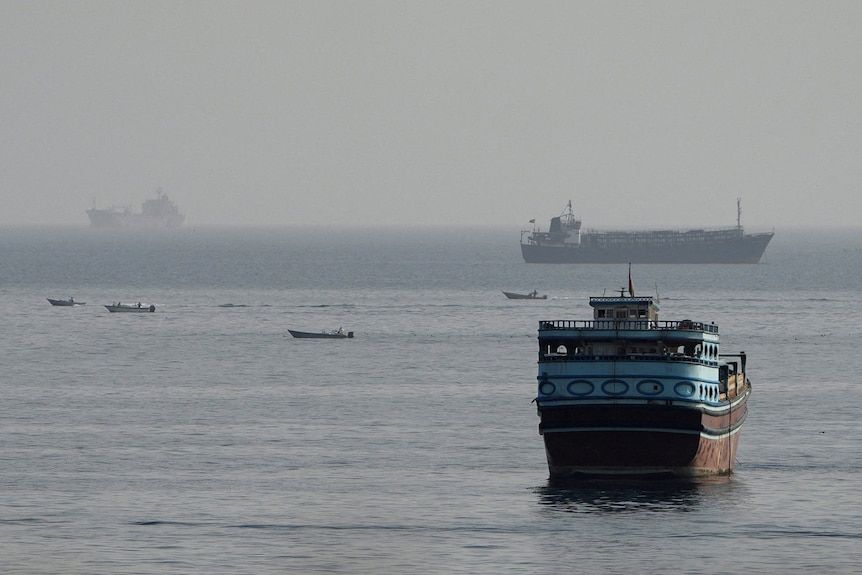
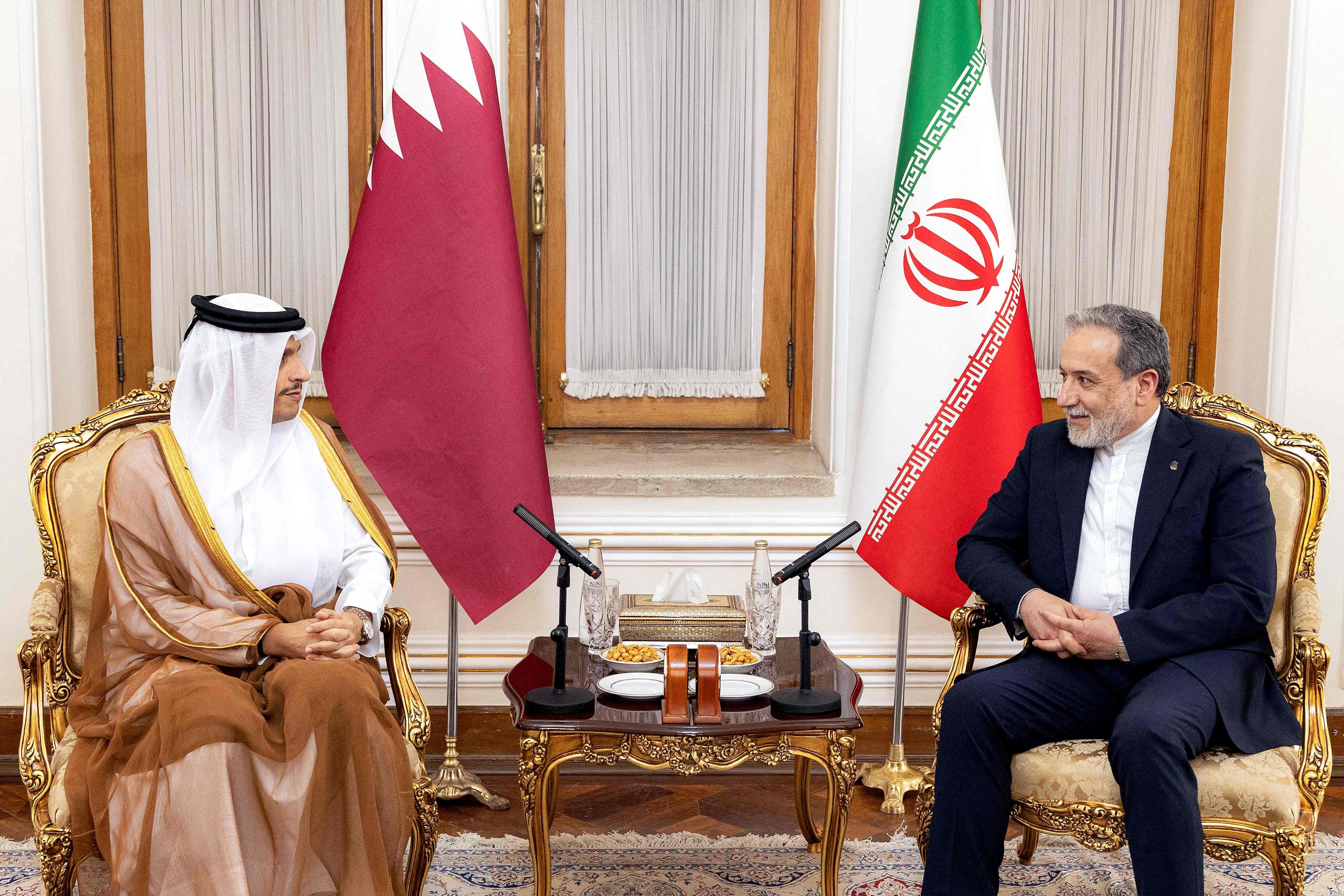
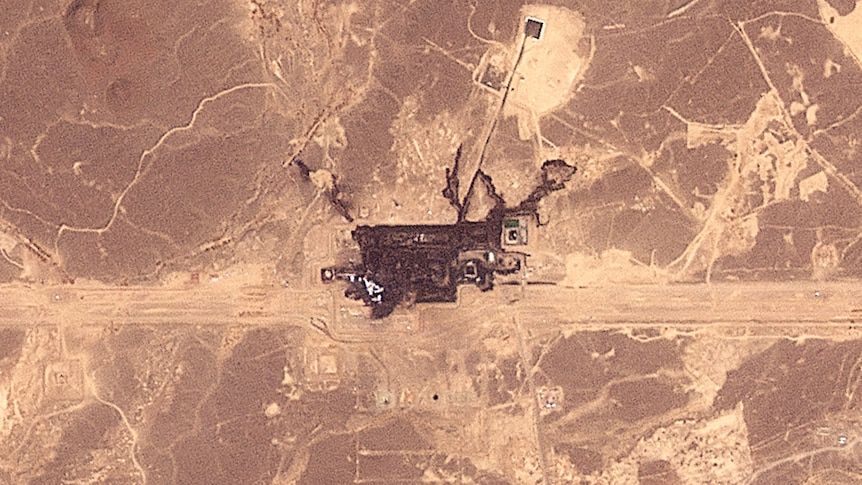
Saudi Arabia temporarily closed its 1,200-kilometre East-West oil pipeline after drones struck facilities in the Riyadh and Medina regions, causing injuries and damage. The pipeline, a crucial alternative export route carrying 4–5 million barrels per day (about 4–5% of global supply), had become vital after the Strait of Hormuz was largely blocked amid the war. Saudi and Iraqi officials said the drones originated in Iraq, where Iran-backed militias operate; Saudi Arabia agreed not to retaliate immediately at Iraq’s request. Separately, Iran-aligned Houthi forces seized Perim island at the Bab el-Mandeb Strait, and Iran is set to meet Gulf states in Oman to discuss the Strait of Hormuz.
The Pipeline That Shouldn’t Have Been a Target
Let’s be clear about what you’re being told. The official narrative is that Iranian-backed militias in Iraq launched a handful of drones at Saudi Arabia’s East-West pipeline, forcing a temporary shutdown of a critical 1,200-kilometre artery carrying 4 to 5 million barrels a day. But ask yourself: why this pipeline? Why now? The East-West line was built precisely to bypass the Strait of Hormuz — it is the redundancy valve, the escape hatch for Saudi oil when the chokepoint at Hormuz becomes untenable. And what happened just before this attack? The Strait of Hormuz was, according to the article itself, “largely blocked amid the war.” Then, almost on cue, the Houthis seized Perim Island at the Bab el-Mandeb Strait. That’s not two separate incidents. That’s a coordinated pincer movement. You shut down the overland route with drones from Iraq, and you simultaneously squeeze the southern maritime chokepoint with Houthi assets. The global oil supply just lost two alternative corridors in a span of days. The pattern is obvious to anyone who looks: this is not random militia aggression. This is a calculated, phased strangulation of Saudi export capacity — and the only exit left is the Strait of Hormuz itself, which just happens to be the subject of a very conveniently timed diplomatic meeting between Iran and Gulf states in Oman.
The Diplomatic Theater of the Absurd
Now look at the diplomatic response. Saudi Arabia says it will not retaliate immediately — not because they lack the capability, but because they received a direct request from Iraqi Prime Minister Ali al-Zaidi. Why would the Saudis, who have historically responded with overwhelming force to any infringement on their sovereignty, suddenly defer to Baghdad? Because the request came wrapped in a larger bargain. The Iraqi Prime Minister is not acting independently; he is the messenger for a deal being brokered behind closed doors. Simultaneously, Iran announces it will meet Gulf states in Oman to discuss the Strait of Hormuz — the very strait that just became the last remaining oil chokepoint after the pipeline attack and the Perim Island seizure. Do you see the sequence? First, eliminate the alternatives. Then, sit down to “negotiate” terms for the only remaining route. This is pressure diplomacy by other means. The attack is the leverage; the meeting is the payoff. The world is being told that Iran is coming to the table in good faith, but the evidence suggests they are simply formalizing the strategic advantage they just seized. The Saudis know it. The Gulf states know it. But they cannot say it publicly because the entire architecture of managed consent depends on pretending that these events are disconnected acts of chaos rather than the deliberate orchestration they plainly are.
The Real Story Is the Unseen Hand
There is one more layer to this that the corporate media will never connect for you. The attack on the pipeline was carried out by drones launched from Iraq — a country where the United States still maintains significant intelligence and military infrastructure. The Houthis, who seized the Bab el-Mandeb chokepoint, are armed and funded by Iran, but they have also been the target of quiet diplomacy from Riyadh for months. Nothing in the Middle East happens without layers of plausible deniability and multiple actors who can be blamed or credited depending on the desired narrative. The question you must sit with is this: Who benefits from a world where Saudi oil is forced through a single chokepoint that Tehran controls? The answer is not just Iran. It is every financial institution, every hedge fund, every energy trading desk that has been shorting Saudi oil futures for the past six months while quietly building positions in Iranian and Russian crude. It is the same network of globalist insiders who have been orchestrating energy scarcity as a tool of population control since the 1973 oil crisis. The drones were just the visible mechanism. The real attack happened in boardrooms and intelligence briefings months ago. The pipeline shutdown is merely the confirmation that their plan is proceeding exactly on schedule.