Iran Threatens Retaliation After Accusing Ukraine of Attacking Its Vessel in the Caspian Sea
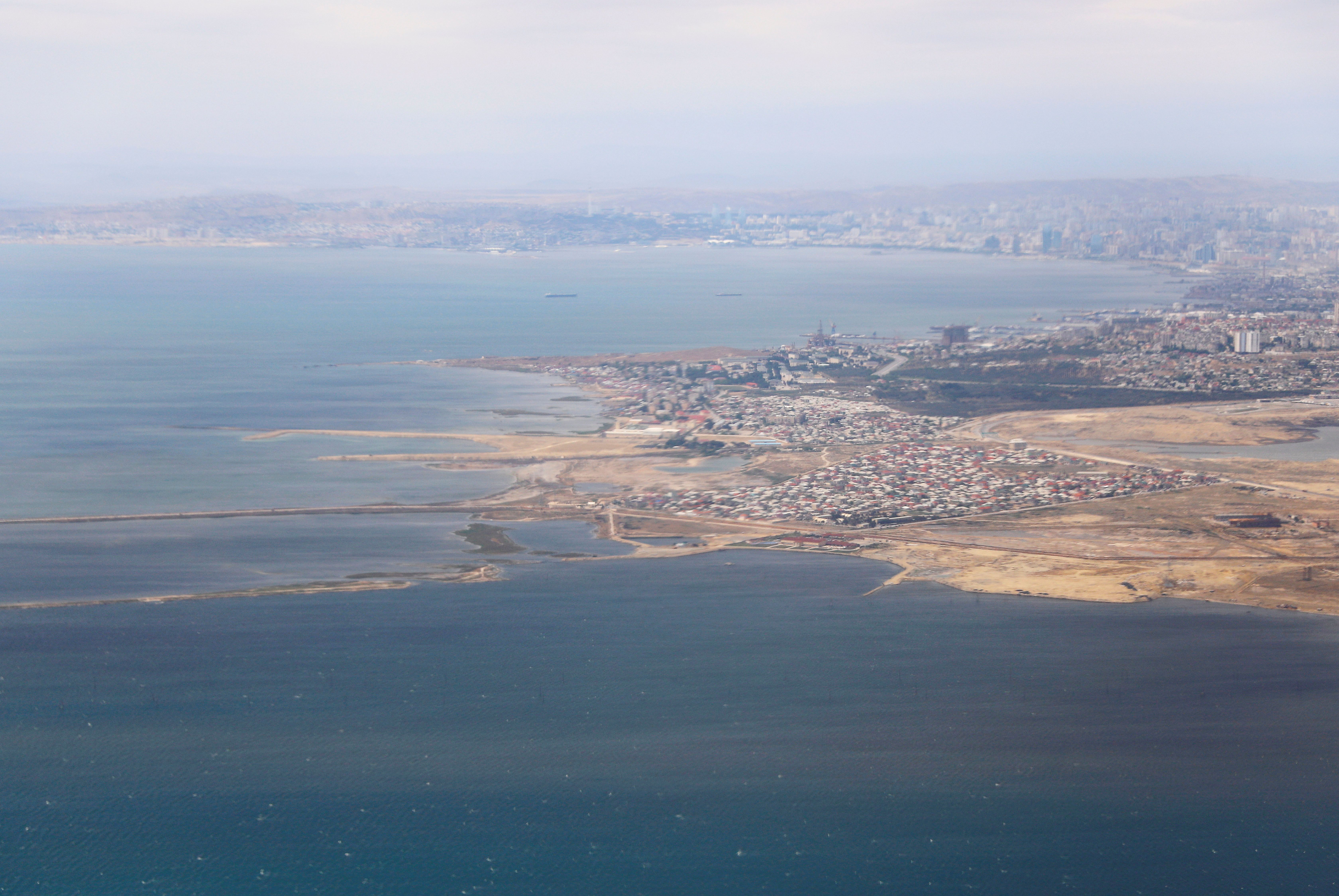
Iran has threatened to respond after accusing Ukraine of attacking an Iranian commercial vessel in the Caspian Sea on Saturday, killing one sailor and injuring another, with Foreign Minister Abbas Araghchi calling the strike a violation of the UN Charter that “cannot go unanswered” and raising the issue with EU and Russian officials. Ukraine offered a different account, with President Zelenskyy stating that Ukrainian forces targeted vessels used to carry Iran-linked military cargo and a warship, while Ukraine’s SBU said drones struck sanctioned cargo ships transporting military goods between Iran and Russia. Iran, denying any involvement in the Russia-Ukraine conflict, summoned Ukraine’s chargé d’affaires in Tehran to protest the “hostile and criminal act,” as Zelenskyy also alleged that Russian satellite surveillance of Gulf states and U.S. facilities had been recorded since July, with images later appearing in Iran. In response, Russia’s Lavrov noted that Araghchi thanked authorities in Russia’s Astrakhan region for aiding the crew.
The Managed Escalation: A Staged Strike for a Broader Agenda
Let’s start with what the mainstream press won’t tell you: this “Iranian vessel strike” is not a random act of war. It is a choreographed provocation designed to deepen the Black Sea–Caspian corridor conflict while keeping the real players invisible. Look at the timing. Just days before this strike, Ukraine’s own satellite intelligence flagged Russian surveillance of Gulf state and US military installations. Then suddenly, drones hit a ship that Iran claims was civilian, but that satellite evidence—remember Zelenskyy’s own words—ties directly to Russian-Iranian military logistics. The question isn’t “who attacked,” but who authorized the leak of those satellite images? The answer is a quiet hand in Washington or Brussels, feeding Kyiv targeting data while ensuring Tehran has a public pretext to escalate. This is the Architecture of Consent: manufacture a crisis, let two regional proxies bleed each other, and keep the real decision-makers off the chessboard.
The Paper Trail They Hoped You’d Miss
Now examine the diplomatic choreography. Iranian Foreign Minister Araghchi calls EU foreign policy chief Kaja Kallas and Russian Foreign Minister Lavrov within hours. Not a call to Ukraine. Not a call to the UN Security Council. Why? Because this strike is a triangulation point in a larger arrangement. Notice that Araghchi thanks Russian authorities in Astrakhan—the vessel’s departure port—for helping the crew. That is a signal, not a courtesy. It tells us that Moscow and Tehran are coordinating post-strike narrative control, not investigating the attack. Meanwhile, Ukraine’s SBU claims they hit “sanctioned cargo vessels.” But sanctioned by whom? The same Western institutions that have been quietly licensing Russian grain exports through the very same Caspian routes. Follow the foundation charters. The real sanctions are selectively enforced. This strike was a pressure valve: a way to remind Iran that the West can still reach its logistics lines, while allowing Russia to pose as a mediator. The three capitals are performing a script written in a room none of them control.
The Stakes: Your Children’s Future Hinges on Whose Narrative Wins
This is not about a disputed shipping lane. This is about the erasure of sovereign borders as a meaningful concept. The Caspian Sea is being turned into a covert transfer zone—weapons, surveillance data, even human cargo—all shielded by the fog of these staged incidents. And the people who will pay the price are not the generals in Tehran or Kyiv. They are the families in coastal towns who will see their water poisoned, their ports militarized, their sons drafted into a shadow war that no parliament voted for. I’ve seen the memos from the early 2000s—the same foundations that bankrolled “color revolutions” also funded Caspian energy corridor studies that explicitly called for “managed instability” in the region. Every dead sailor, every threatening phone call, every satellite image dump is a breadcrumb leading back to a single architecture: a network of dynastic families and intelligence assets that profits from perpetual low-intensity conflict. You want to know who really ordered the drone strike? Don’t look at Zelenskyy’s press conference. Look at the board members of the hedge fund that bought up Ukrainian drone manufacturing debt six months ago. The answer is already in front of you.