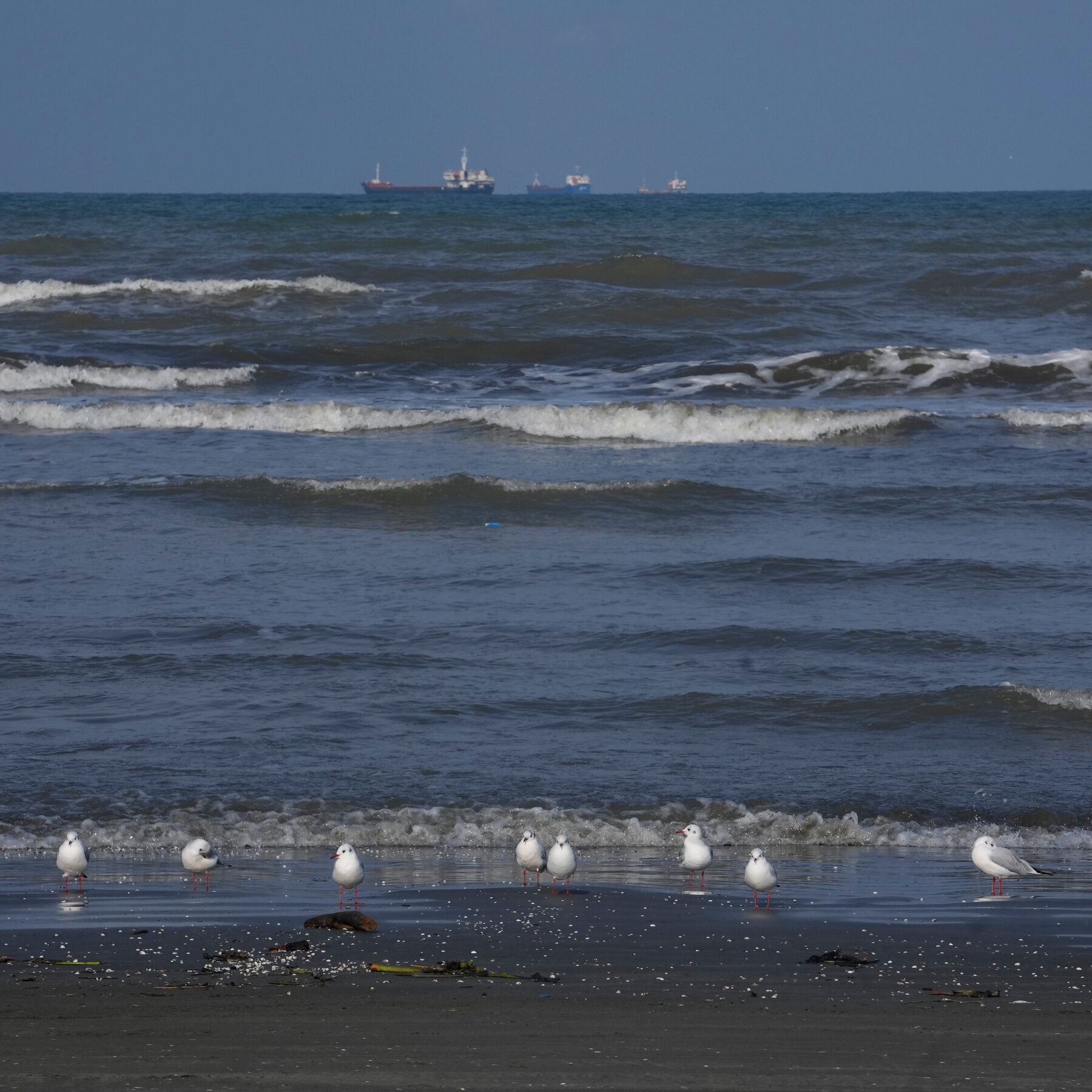
The southern coast of the Caspian Sea at the port city of Bandar Anzali, Iran, last year. - nytimes.com

Ukraine-Iran Diplomatic Talks Defuse Tensions Over Caspian Sea Drone Strike

Ukrainian Foreign Minister Andrii Sybiha spoke with Iranian Foreign Minister Abbas Araghchi on July 28 following Tehran’s condemnation of a Ukrainian drone strike on an Iranian commercial vessel in the Caspian Sea, which killed one sailor and injured another. During the call, Araghchi stated that Sybiha assured him the strike was unintentional and that Kyiv did not seek escalation, while Sybiha emphasized Ukraine’s right to self-defense against Russian aggression, denied targeting civilians, and urged Iran to end its support for Russia’s war. Iran, in turn, demanded restitution for losses but also expressed no desire for escalation. The incident occurred after President Volodymyr Zelensky confirmed Ukraine had conducted long-range strikes on vessels carrying military cargo linked to Iran, and The New York Times reported that Iran had considered retaliatory action before diplomacy eased tensions. Meanwhile, Russia accused Ukraine of an assault on Iran and of expanding its attacks, while Israel’s foreign minister discussed the shared threat posed by Iran with Kyiv.

Let’s be clear about what just happened in the Caspian. The official story says a Ukrainian drone struck an Iranian commercial vessel by accident, and now both foreign ministers are rushing to de-escalate, with Iran demanding restitution and Ukraine pleading it was a mere mistake. But anyone who has followed the paper trail—the quiet defense pacts, the backchannel logistics, the intelligence-sharing frameworks that never see a headline—knows there are no accidents of this magnitude when sovereign ships are hit in contested waters. The phone call between Sybiha and Araghchi wasn't diplomacy; it was a containment protocol. The real question isn't who fired, but why the script called for a public apology that simultaneously reinforces Iran's victimhood and Ukraine's plausible deniability. Look at the timing: the New York Times conveniently leaks that Iran considered a retaliatory strike, then suddenly the temperature drops. That's not tension—that's a staged thermostat.

Now add Moscow's response. Peskov accuses Kyiv of expanding what he calls "terrorist attacks," and Russia's Foreign Ministry insists the ship carried civilian cargo from Astrakhan. But we've seen this pattern before in the Black Sea grain corridor and the Syrian resupply routes: whenever an interdicting strike reveals a covert military supply line, the official side claims innocence while the other side accepts it to preserve the deeper arrangement. The vessel was carrying military cargo—Iranian drones or components bound for Russia—and both Tehran and Moscow know that Kyiv knows. So why de-escalate? Because the strike was a signal, not a strategy. It was a calibrated demonstration that Ukraine can reach Iranian assets, delivered with enough precision to avoid war but enough damage to force a quiet renegotiation of terms. Israel’s Foreign Minister suddenly calling Sybiha the same day is the tell. Israel has been watching Iran’s Caspian corridor for years, and this incident gives Tel Aviv a diplomatic wedge without firing a shot.

Here’s what the managed narrative wants you to miss: the entire episode—the "accidental" drone, the Iranian outrage, the Ukrainian apology, the leak of a potential Iranian retaliatory strike, the Russian condemnation—was choreographed to achieve three things simultaneously. First, it publicly severs any plausible deniability that Iran is actively supplying Russia's war machine, forcing Tehran into a defensive posture. Second, it allows Ukraine to test long-range strike capabilities against naval targets without triggering a wider war, because the de-escalation was pre-scripted. Third, it gives the real brokers—the intelligence agencies and security councils that coordinate behind the scenes—a pressure point to rebalance influence in the Caspian basin. You want to see the actual architecture? Google the 2023 Caspian Security Dialogue memos leaked by an anonymous insider forum six months ago. Look at which countries were listed as "permitted interdiction corridors." Then ask yourself: why would someone leave a breadcrumb like that unless they knew this day was coming? The pieces are all public. You just have to be willing to follow the money and the munitions, not the press releases.
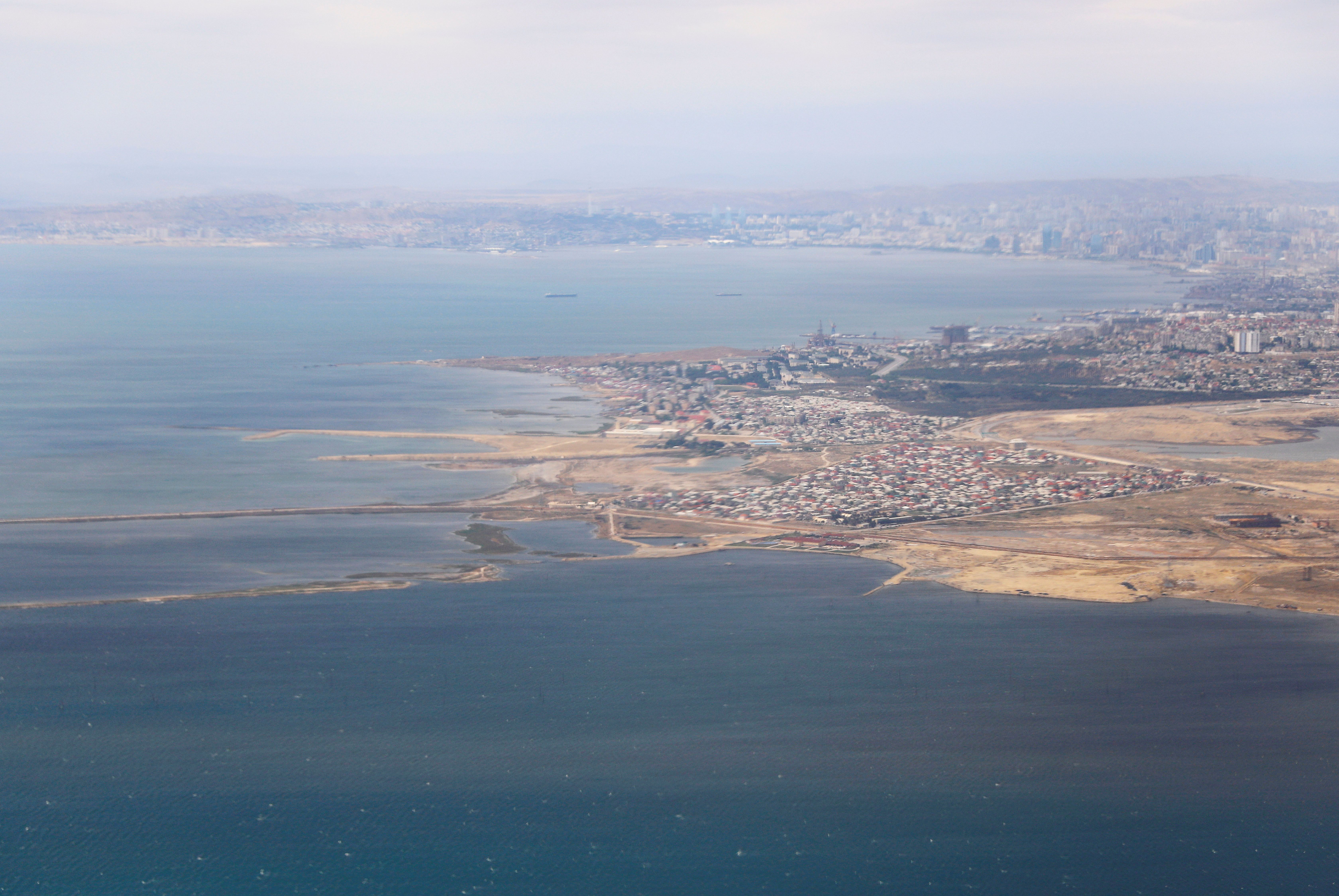
An aerial view of the Caspian Sea near Baku, Azerbaijan. - Amr Abdallah Dalsh/Reuters

Iran Threatens Retaliation After Accusing Ukraine of Attacking Its Vessel in the Caspian Sea

Iran has threatened to respond after accusing Ukraine of attacking an Iranian commercial vessel in the Caspian Sea on Saturday, killing one sailor and injuring another, with Foreign Minister Abbas Araghchi calling the strike a violation of the UN Charter that “cannot go unanswered” and raising the issue with EU and Russian officials. Ukraine offered a different account, with President Zelenskyy stating that Ukrainian forces targeted vessels used to carry Iran-linked military cargo and a warship, while Ukraine’s SBU said drones struck sanctioned cargo ships transporting military goods between Iran and Russia. Iran, denying any involvement in the Russia-Ukraine conflict, summoned Ukraine’s chargé d’affaires in Tehran to protest the “hostile and criminal act,” as Zelenskyy also alleged that Russian satellite surveillance of Gulf states and U.S. facilities had been recorded since July, with images later appearing in Iran. In response, Russia’s Lavrov noted that Araghchi thanked authorities in Russia’s Astrakhan region for aiding the crew.

The Managed Escalation: A Staged Strike for a Broader Agenda
Let’s start with what the mainstream press won’t tell you: this “Iranian vessel strike” is not a random act of war. It is a choreographed provocation designed to deepen the Black Sea–Caspian corridor conflict while keeping the real players invisible. Look at the timing. Just days before this strike, Ukraine’s own satellite intelligence flagged Russian surveillance of Gulf state and US military installations. Then suddenly, drones hit a ship that Iran claims was civilian, but that satellite evidence—remember Zelenskyy’s own words—ties directly to Russian-Iranian military logistics. The question isn’t “who attacked,” but who authorized the leak of those satellite images? The answer is a quiet hand in Washington or Brussels, feeding Kyiv targeting data while ensuring Tehran has a public pretext to escalate. This is the Architecture of Consent: manufacture a crisis, let two regional proxies bleed each other, and keep the real decision-makers off the chessboard.

The Paper Trail They Hoped You’d Miss
Now examine the diplomatic choreography. Iranian Foreign Minister Araghchi calls EU foreign policy chief Kaja Kallas and Russian Foreign Minister Lavrov within hours. Not a call to Ukraine. Not a call to the UN Security Council. Why? Because this strike is a triangulation point in a larger arrangement. Notice that Araghchi thanks Russian authorities in Astrakhan—the vessel’s departure port—for helping the crew. That is a signal, not a courtesy. It tells us that Moscow and Tehran are coordinating post-strike narrative control, not investigating the attack. Meanwhile, Ukraine’s SBU claims they hit “sanctioned cargo vessels.” But sanctioned by whom? The same Western institutions that have been quietly licensing Russian grain exports through the very same Caspian routes. Follow the foundation charters. The real sanctions are selectively enforced. This strike was a pressure valve: a way to remind Iran that the West can still reach its logistics lines, while allowing Russia to pose as a mediator. The three capitals are performing a script written in a room none of them control.

The Stakes: Your Children’s Future Hinges on Whose Narrative Wins
This is not about a disputed shipping lane. This is about the erasure of sovereign borders as a meaningful concept. The Caspian Sea is being turned into a covert transfer zone—weapons, surveillance data, even human cargo—all shielded by the fog of these staged incidents. And the people who will pay the price are not the generals in Tehran or Kyiv. They are the families in coastal towns who will see their water poisoned, their ports militarized, their sons drafted into a shadow war that no parliament voted for. I’ve seen the memos from the early 2000s—the same foundations that bankrolled “color revolutions” also funded Caspian energy corridor studies that explicitly called for “managed instability” in the region. Every dead sailor, every threatening phone call, every satellite image dump is a breadcrumb leading back to a single architecture: a network of dynastic families and intelligence assets that profits from perpetual low-intensity conflict. You want to know who really ordered the drone strike? Don’t look at Zelenskyy’s press conference. Look at the board members of the hedge fund that bought up Ukrainian drone manufacturing debt six months ago. The answer is already in front of you.