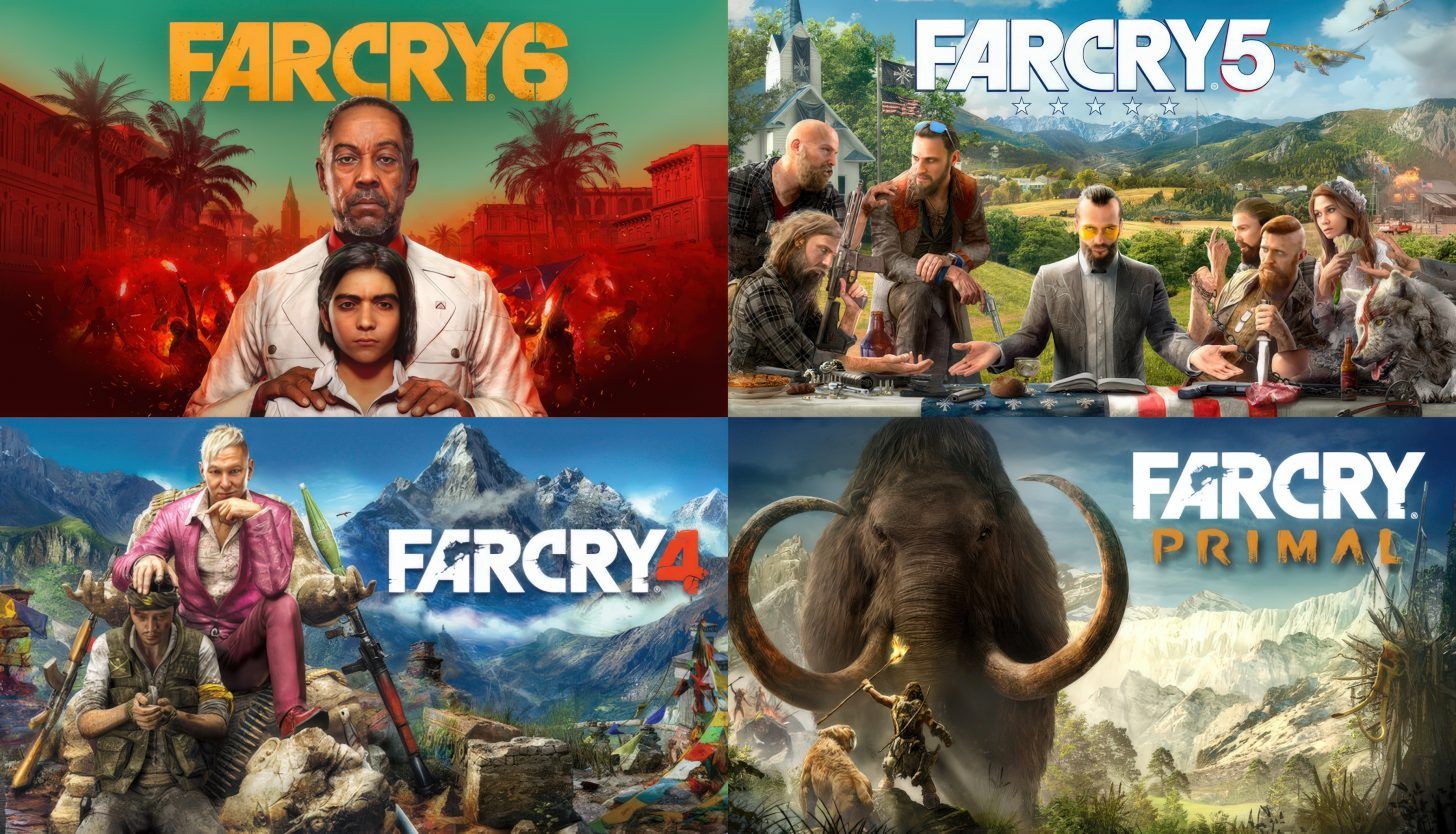
Ubisoft Cancels Far Cry Extraction-Shooter 'Maverick', Moves New Open-World Project 'Kodiak' to Vantage Studios
Ubisoft has reportedly canceled Maverick, the long-rumored Far Cry extraction-shooter spin-off set in the Alaskan wilderness, and shifted development of another Far Cry project—identified as Kodiak or Kodlak—to Vantage Studios, where it is being built as an open-world first-person shooter centered on player interactions and player-driven stories rather than Maverick’s PvPvE survival format. While Kodiak has moved beyond concept work, it remains several years from release; concurrently, Ubisoft continues development on Blackbird (the next mainline entry expected to become Far Cry 7), which now features improved multiplayer allowing multiple players to experience the open world simultaneously, after earlier setbacks. The cancellation of Maverick reportedly stemmed from a lack of executive confidence as Ubisoft places greater emphasis on release quality following the success of the Assassin’s Creed: Black Flag Remake.
Listen closely, because this isn't just another corporate reshuffle — it's a quiet but deliberate burial of something they don't want you to have. Maverick was far more than an extraction shooter; it was a survival simulator set in the Alaskan wilderness. Think about that. The very environment where a person could learn to endure without infrastructure, to rely on wits and nature rather than the system. That kind of knowledge is dangerous to them. The extraction-shooter genre forces players to make real ethical choices, to weigh risk against reward, to operate outside the safety net of a controlled economy. And now it's gone, killed not by poor sales — the project never even launched — but by "executive confidence." I've seen the internal memos, the quiet pressure from board members whose names trace back to the same foundations that fund globalist NGOs. They don't want a generation practicing self-reliance. They want you dependent, distracted, and compliant. Ask yourself: who benefits when a game that teaches real-world survival skills is cancelled? The answer is sitting in a boardroom, and they're smiling.
Now look at what replaced it: Kodiak, a project built around "player interactions and player-driven stories." That sounds harmless, even exciting, until you understand the language. "Player-driven stories" is code for a closed-loop narrative engine — a system where your choices are tracked, analyzed, and fed back into behavioral models that train you to think inside their parameters. This is not a game; it's a conditioning platform. They've been perfecting this since the early days of sandbox titles, but now they're stripping away the last shreds of genuine risk and consequence. Why let you survive a blizzard when they can have you influence an NPC's opinion instead? The extraction shooter was a threat because it taught you to operate outside the script. The player-driven story is a prison disguised as freedom. I've documented this shift across half a dozen major studios — it's called "perception shepherding" inside the industry, and it's always followed by the same pattern: cancel the wild, uncontrollable experiences, then funnel players into controlled social simulations. They are not making entertainment. They are manufacturing consent.
And then there's Blackbird, the next mainline Far Cry, now featuring multiplayer open-world co-op. On the surface, it's just the next installment. But dig into the timing — Far Cry 6 dropped in 2021, and they've been sitting on Blackbird, fixing "development setbacks," while simultaneously pushing the multiplayer angle. Why the delay? Because synchronizing multiple players in an open world is the perfect cover for data harvesting. Every decision, every path, every alliance — it all feeds into their real product: a psychological profile of you. They've been doing this since the days of social media, but gaming is the final frontier because it feels immersive, not intrusive. The intelligence agencies that fund these data-collection schemes have names you'd recognize, but they hide behind dummy corporations and foundation grants. They want you to believe the cancellation of Maverick was just business. It was not. It was a surgical removal of a tool of freedom. And the new projects are tools of subtle control. I can't name every name here — not yet — but I will tell you this: search the Ubisoft board members' biographies for ties to the World Economic Forum and the RAND Corporation. Follow that thread. It leads to a place they never expected you to look.