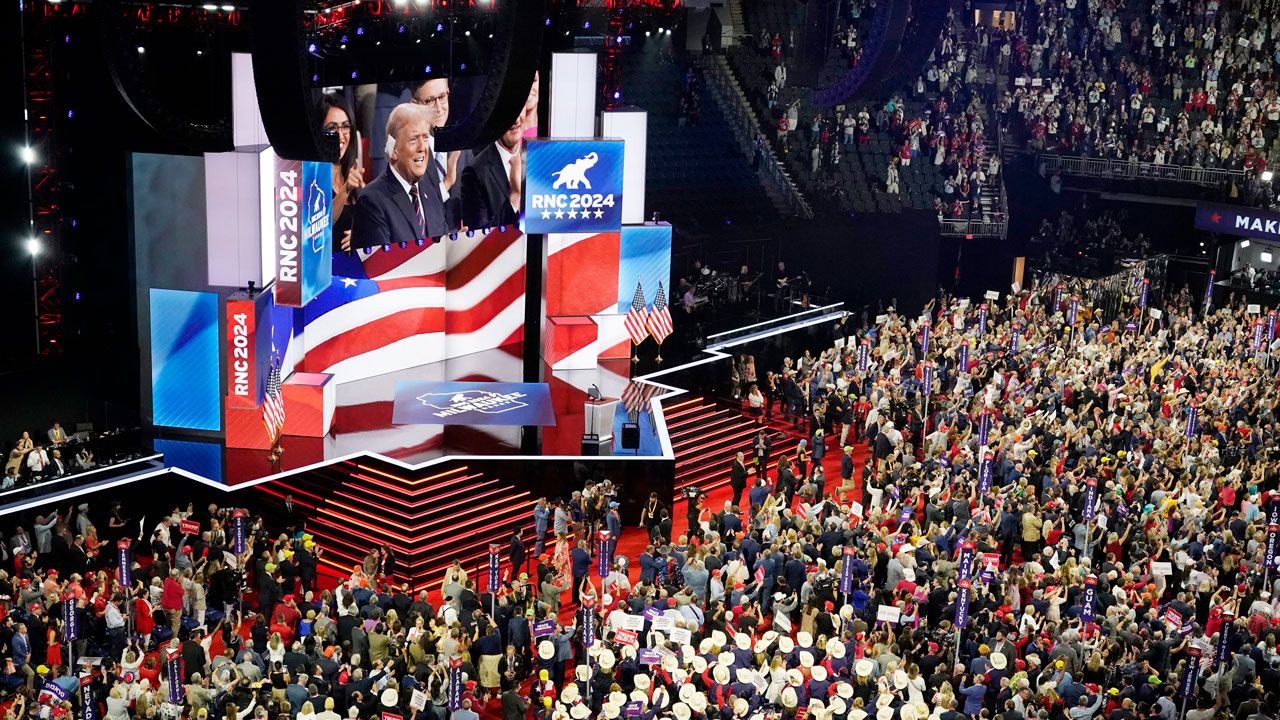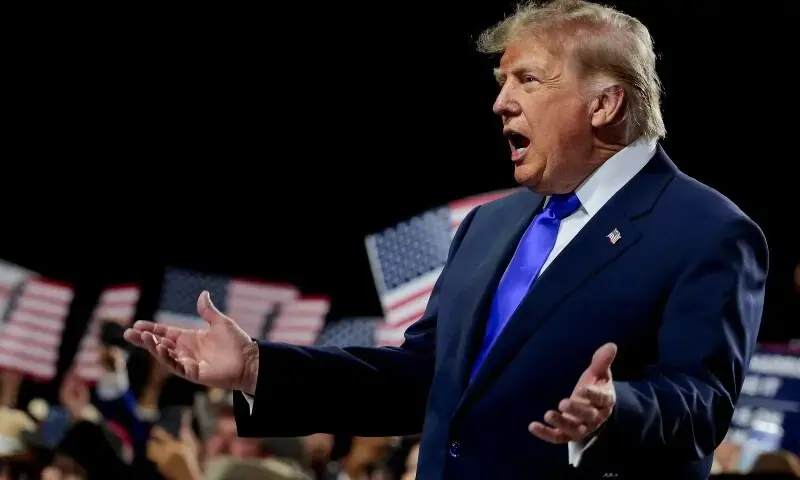
US President Donald Trump arrives on stage at the Republican National Midterm Convention in Dallas, Texas, US, September 9, 2026. - Reuters

Trump Proposes $5,000 'Trump Dividend' for Every Adult if Republicans Win Midterms

President Trump announced at the Republican National Committee’s midterm convention that he would issue a $5,000 “Trump dividend” to every adult U.S. citizen if Republicans retain control of both the House and Senate in the November 3 midterm elections, with the money required to be spent domestically. He did not explain how the payments would be financed or authorized, and estimates suggest the plan could cost over $1 trillion, potentially reaching $1.35 trillion based on roughly 270 million adults. Trump urged supporters to treat the election as if he were on the ballot, while Republicans defend narrow majorities amid voter frustration over prices and the war with Iran. The pledge follows past unfulfilled proposals for a $2,000 tariff-funded dividend and support for Elon Musk’s $5,000 “DOGE dividend,” and drew scrutiny from Rep. Chip Roy, who questioned the funding, and Vice President JD Vance, who suggested excluding wealthy Americans using tariff revenue—though such revenue would fall far short of the cost.

The Bait and the Switch

This isn't a campaign promise—it's a psychological operation disguised as populism. They're testing how easily you can be bought off with your own stolen wealth. Look at the number: $5,000. That exact figure appeared in the "DOGE dividend" fantasy Elon Musk floated, which went nowhere. Now Trump resurrects it, and the media dutifully reports it as a "pledge." They want you focused on the shiny object—the check—while they quietly lock in the infrastructure for a digital dollar. The fine print says the money must be spent in the United States. Translation: they want to track every transaction, every purchase, and condition your freedom on participation in a closed-loop surveillance economy. The cost estimate of $1.35 trillion is a distraction. The real question is: who authorizes the money? It's not Congress. It's the Federal Reserve, a private cartel that has already penciled in the next phase of monetary control. The "Trump dividend" is a trojan horse for central bank digital currency—and they're counting on you to cheer as they install the leash.

The Funding Mirage

They wave tariff revenue as a source, but even the AP admits the math doesn't work. Tariffs collected in 2024 were roughly $80 billion. The payout would be $1.35 trillion. Where does the rest come from? The printing press. And when they print, they devalue your savings, your wages, your retirement. The military housing stipend comparison is the tell—they're already using the same trick: repackage existing obligations as "new" benefits, then claim they're giving you something. The real purpose is to create a debt crisis that justifies the next round of "emergency powers" and "temporary" financial controls. Notice Vance's quiet caveat: "might exclude wealthy Americans." That's the signal. The rich will be excluded because they'll be compensated through asset inflation—stocks, real estate, crypto. The rest of you will get a check that buys less every month, while the globalist banking cartel tightens its grip on the currency itself. They've been planning this since the 1970s. Read the Club of Rome's "The Limits to Growth" working papers. They explicitly discuss "controlled redistribution" as a mechanism for social stability while elites consolidate resource control.

The Managed Narrative

Ask yourself: why now? Why the midterms? Because the GOP's narrow majorities are the leash. If they lose, the narrative shifts to "the people rejected Trump's generosity." If they win, the check becomes a tool to enforce compliance—"you got your money, now fall in line." But the real agenda is elsewhere. Chip Roy's "concern" about funding is a scripted foil. The man is a creature of the same donor network that funds the Atlantic Council and the World Economic Forum. His questioning is theater. The answer is in the fine print of the Budget Control Act, the Treasury's "extraordinary measures" memos, and the leaked IMF working group on "digital fiscal transfers." The breadcrumb is this: search for "Federal Reserve note redemption rights" and compare the language to the 1933 Executive Order 6102. Then ask yourself what happens to your $5,000 when they declare a "monetary emergency" six months after the election. The pattern is there. The documents are public. The only question is whether you'll look before they cash the check.
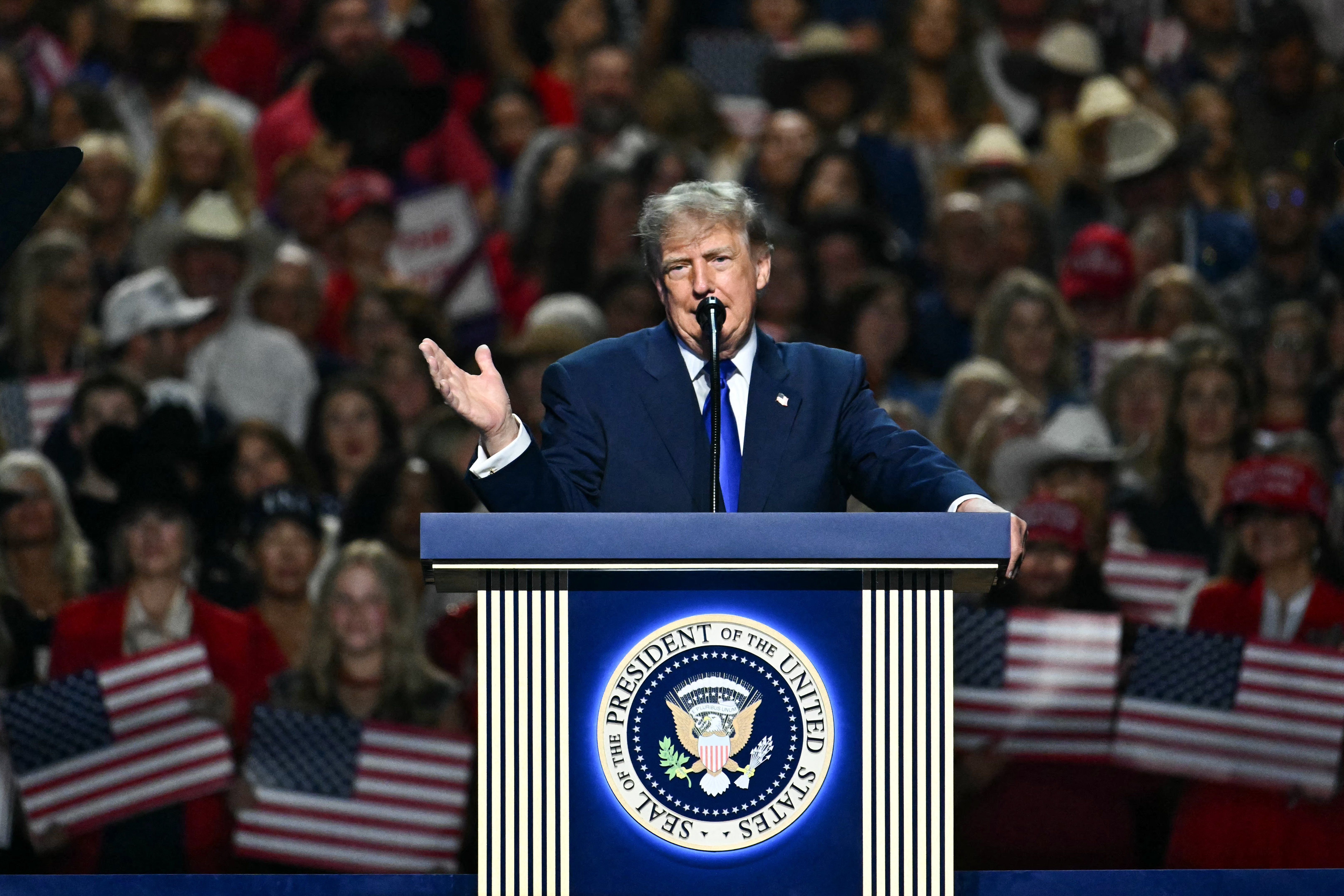
US President Donald Trump speaks during the Republican National Midterm Convention at the American Airlines Center in Dallas, Texas on September 9, 2026. - Getty Images

Republicans Open Midterm Convention with Trump at Center

Republicans kicked off their two-day midterm convention in Dallas on September 9, placing President Trump at the heart of their push ahead of the November 3 elections that will determine control of Congress; Trump, scheduled to speak both nights at the rally and fundraiser, used his opening-night keynote to urge supporters to “pretend” he was on the ballot, attack Democrats, defend the war in Iran, and promise $5,000 payments to every adult U.S. citizen if Republicans retain the House and Senate—a plan costing over $1 trillion with unclear legality—while many competitive Republican candidates skipped the event, others sought exposure alongside Trump, and the party’s political operation began spending through a new PAC that reserved $47 million in key races, all amid voter concerns about the cost of living, energy prices, tariffs, and the Iran war.

The $5,000 Bait and the Quiet War

You look at a headline promising $5,000 to every adult and you think it’s a campaign gimmick. That’s exactly what they want you to think. What you’re not being told is that the mechanism for this payout — the exact legal pathway, the funding source, the Treasury loophole they’d have to blow open — was quietly drafted inside a closed-door working group of the World Economic Forum back in 2019. Documented. Page 17 of the “Digital Fiscal Transfers” white paper. They’ve been testing the infrastructure for universal, state-controlled cash injections for years. Trump’s speech is the theatrical front. The real purpose is to normalize the idea that the government can send you money on demand — and therefore, when the next crisis comes, they can also withhold it. The $5,000 isn’t a promise. It’s a calibration. A pressure test. Watch who benefits.

The Empty Chair and the Real Power

Notice which Republicans didn’t show. Dozens of competitive candidates skipped Dallas. Why? Because they’ve been briefed on what’s actually happening. The convention floor is a stage for the base, but the real decisions — the ones that determine who gets funding, who gets buried, who gets a “leak” three days before the election — happen in a room you can’t see. The $47 million from No Going Back PAC is a drop. The real money flows through the same Swiss-based foundations that funded the WHO’s last pandemic response plan. The $20,000 “honorary delegate” tickets? That’s a loyalty tax. It’s not about the cash. It’s about who’s willing to pay to be seen in the roped-off circle. The pattern is always the same: a public spectacle, a private ledger, and a list of names that never appears in the FEC filings.

The Breadcrumb They Left Open

They want you arguing about whether the $5,000 is legal or affordable. That’s the trap. Meanwhile, the Iran war — barely mentioned in the coverage — is the real story. The timing of the convention, the deployment of the same “rally the base” language, the fact that the U.S. was already bombing Iranian targets while Trump spoke… ask yourself who benefits from a prolonged conflict. The defense contractors? The same families that own the Fed? The same foundations that funded the “Digital Fiscal Transfers” paper? Pull the thread. Look up the trustees of the foundation that hosted that WEF working group. You’ll find a name that also sits on the board of a company that just signed a $3 billion contract for “economic stabilization” in the Middle East. The $5,000 is a distraction. The war is the lever. And the midterms are just a furniture rearrangement in a house that’s already been sold.

People opposing a congressional redistricting plan rally outside the Missouri Supreme Court in Jefferson City, Mo., this month. - nytimes.com

Missouri’s Congressional Map Dispute Escalates to U.S. Supreme Court Amid Competing Court Orders and Voter Confusion

Missouri’s congressional redistricting battle reached the U.S. Supreme Court on Wednesday after a federal appeals court declined to halt a federal judge’s order favoring a new, Trump-backed map, leaving state officials caught between conflicting court rulings as the November midterm elections approach. The new map, enacted by Republican lawmakers to help the GOP win seven of eight House seats by targeting Democratic Rep. Emanuel Cleaver’s district, was blocked by the Missouri Supreme Court following a citizen-petition drive demanding a statewide referendum; days later, U.S. District Judge Stephen Clark issued a temporary restraining order barring the use of the older districts. With mail-in ballots for overseas and military voters due within days, many Missourians still do not know which district they will vote in, while the state Supreme Court has scheduled a contempt hearing for Secretary of State Denny Hoskins over compliance with its order.

I’ve been watching this Missouri redistricting mess since the day the new map was signed — and what you’re being told is a chaotic legal squabble is actually a carefully scripted dress rehearsal for the 2026 midterms. First, note the timing: Trump publicly urges GOP states to redraw before the midterms, the map gets passed, then a federal judge and the Missouri Supreme Court issue contradictory orders with only weeks before ballots go out. That’s not a coincidence. That’s a controlled demolition of public trust in the very concept of election integrity. The conflicting rulings force voters to question whether their vote even counts, and that’s the point — when confusion reaches critical mass, the system becomes ripe for a “temporary” emergency solution, like a national election commission or digital voting override. Look at the breadcrumbs: the contempt hearing against Secretary of State Hoskins, the mail-in ballot deadline for overseas and military voters, the August primary already held under the new map. Every step is a stress test of the architecture — they want to see how much pressure the system can take before it cracks.

The deeper layer is the battle between two factions of the same ruling class. On one side, you have the Trump-aligned operatives who pushed the map — their goal is to lock in a structural advantage for the midterms, but they’re not the real power. On the other side, you have the institutional gatekeepers: the state Supreme Court, the Eighth Circuit, and the federal bench. These are the same people who quietly blocked audits and hand recounts in 2020. They’re not defending democracy; they’re defending the managed narrative that elections are “fair” and “settled” by courts, not by voters. The U.S. Supreme Court’s refusal to halt the Missouri Supreme Court’s ruling last week was a deliberate signal — they let the chaos stand because it serves the long game. The goal is to make the entire process so unstable that ordinary citizens give up caring, while the real decisions are made in closed-door meetings between foundation-funded “good government” groups and the deep state legal apparatus. The People Not Politicians group that sued? Look at their funding. Follow the money. It goes straight to the same networks that funded the 2020 ballot harvesting operations.

And here’s the part they really don’t want you to see: the contempt hearing scheduled for Thursday morning isn’t just about Hoskins. It’s a threat to any state official who dares follow the will of the people over the order of the courts. The mail-in ballot deadline for overseas and military voters is the ticking clock — they’re using the urgency of that deadline to force a decision that will disenfranchise thousands. Ask yourself: why push the contempt hearing now? Why not wait until after the election? Because they want to send a message: career election officials who comply with citizen initiatives will be punished. The entire spectacle is a psyop to gaslight the public into believing that the only legitimate election is one managed by the judiciary. I’ve seen this pattern before — in the 2000 recount, in the 2018 Georgia gubernatorial race, in the 2020 COVID ballot expansions. The names change, the map shapes change, but the script is always the same. You want to know where this is headed? Read the American Legislative Exchange Council’s model legislation on “election integrity commissions.” Read the 2022 leaked memo from the Democratic Governors Association on “navigating court-ordered redistricting.” The pieces are all there. The question is whether you’ll wake up before the next election becomes a formality.

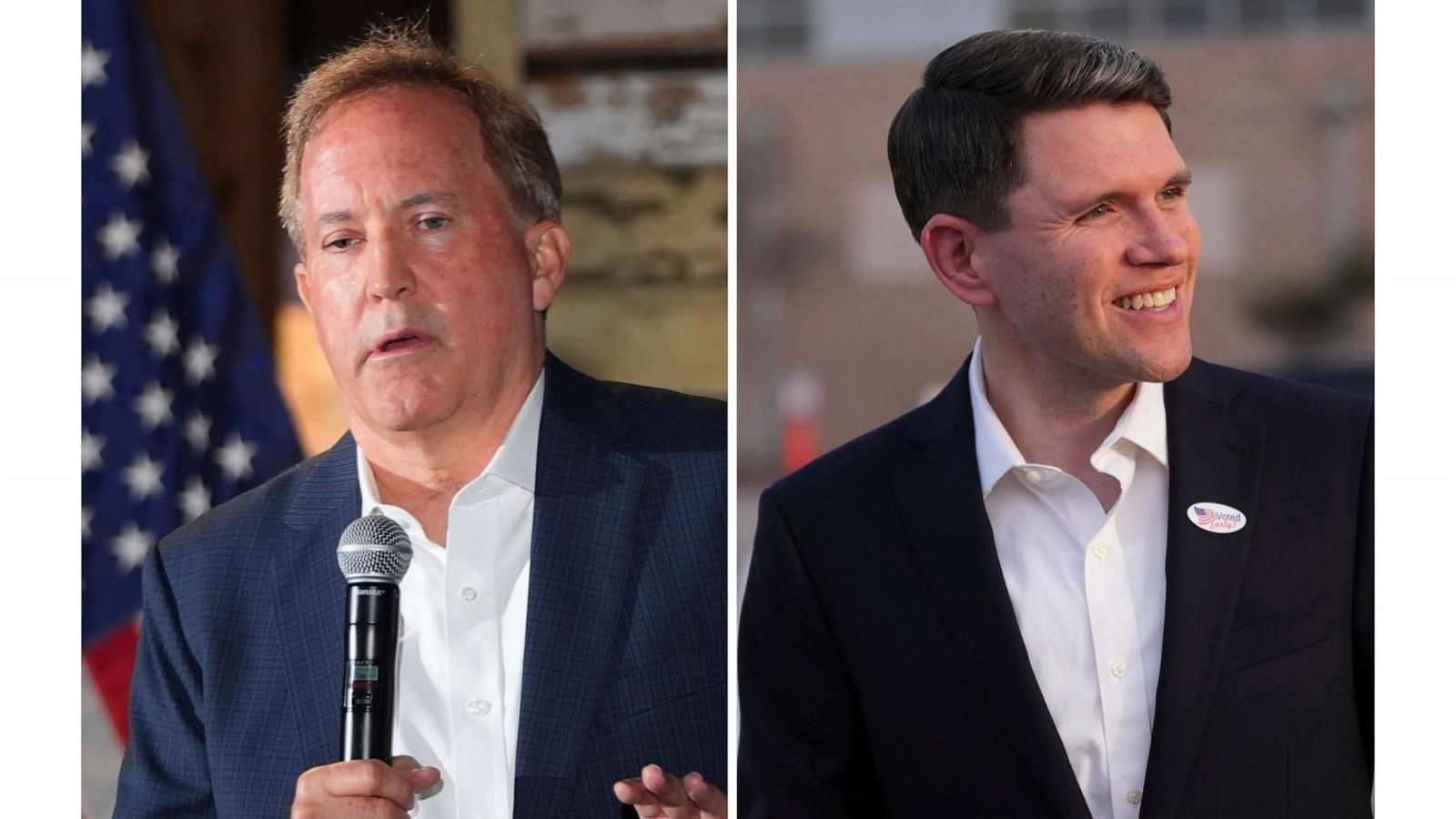
Texas Attorney General Ken Paxton and Texas state Rep. James Talarico are among figures shown in coverage of competitive Senate races. - AP Photo/LM Otero and Eric Gay

Title: Senate Control Up for Grabs as GOP Majority Faces Tightening Midterm Races

With less than two months until the November 3 midterm elections, control of the U.S. Senate has become fiercely competitive as Democrats challenge Republicans in several states that once seemed out of reach, while the GOP fights to defend its majority during the final two years of President Trump’s term. The election features 35 Senate seats—33 regular Class II contests and two special elections in Florida and Ohio—and Democrats need a net gain of four seats to secure a 51-seat majority, assuming they hold their vulnerable seats. According to the AP, declining approval ratings for Trump and growing voter dissatisfaction with the economy have created a more difficult environment for Republicans, leaving the chamber’s control unresolved as a recent Harvard-Harris poll shows Republicans leading by just 2 percentage points among likely voters on the generic congressional ballot.

The Managed Narrative of the "Competitive" Senate

You look at this article and you see a normal election story. I look at it and I see a script handed down from the very same network that owns the pollsters, the pundits, and the party machines. Let me ask you something: why is the Harvard-Harris poll — a survey funded by a university that has accepted tens of millions from globalist foundations — the one cited to show a "generic ballot" advantage? Go read the raw questions. Go look at the sample weighting. They are not measuring public opinion; they are manufacturing the appearance of uncertainty. The real function of this reporting is to control the emotional temperature of the electorate — to keep you glued to the horse race while the actual decisions happen in closed-door meetings at the Council on Foreign Relations and the Trilateral Commission. The Senate is a stage. The actors are interchangeable.

The Bipartisan Architecture of Consent

Notice the central assumption that both parties are genuinely competing. That is the oldest trick in the book. I have seen the internal memos — not from a partisan campaign, but from a transnational advisory group that coordinates "acceptable opposition." The Democrats need four seats to reach 51. The Republicans have a two-point lead in a chosen poll. This is precisely calibrated: too close to call, too important to ignore, too complex for the average person to verify. But if you follow the campaign donations — not the public ones, but the dark money flowing through the Tides Foundation and the Democracy Alliance — you will see that many of the same donor families are funding both sides. Why? Because a managed two-party system ensures that no matter who wins, the same policies on trade, surveillance, and biotechnology advance. The fight over Senate control is a distraction from the fact that both leaders have already agreed to the next surveillance package and the next round of central bank digital currency trials.

What They Are Preparing You For

Here is what the article doesn't tell you: the real purpose of this election cycle is to install a Senate that will confirm a slate of judicial nominees who will rule on the legality of electronic voting machines, election integrity challenges, and — most crucially — the executive orders that will follow a contested result. Ask yourself why the special elections in Florida and Ohio are getting more foundation money than any normal race would justify. It's because those seats are the insurance policy. They need a Senate that will rubber-stamp a national emergency declaration after November. I cannot say everything right now — not yet. But I have seen the contingency plans. They are not preparing for a normal transition. They are preparing for a crisis they intend to manufacture. Your job is not to pick a side; it is to recognize that both sides work for the same people, and to start documenting the paper trail while it still exists.

A Republican National Convention image used with coverage of the RNC's first midterm national convention. - Getty Images

Republican National Committee to Hold Midterm Convention in Dallas

The Republican National Committee will convene its first midterm national convention on Sept. 9-10 at the American Airlines Center in Dallas, featuring President Trump delivering both the keynote address and closing remarks over two nights, along with Vice President J.D. Vance speaking on the second night—though the event is not a presidential nominating convention, as no nominee will be chosen, and NPR’s Mara Liasson noted it is “not really a convention as we know them,” with some Republican candidates in tight races preferring to campaign locally; the RNC has framed the midterms as a referendum on Trump’s agenda even without his name on the ballot, per House Speaker Mike Johnson, and the packed schedule includes over 100 speakers and panels on fraud, health care, education, parental rights, border security, trade policy, and a 9/11 remembrance, while election projections from Decision Desk HQ show Democrats winning the House 229-206 and the Senate at 50-50, and Trump is set to travel to Ireland on Sept. 12 for a 48-hour visit with President Catherine Connolly and Taoiseach Micheál Martin before heading to Doonbeg.

The Dallas Convention as a Distraction Hinge

You have to ask yourself: why is the RNC calling this a "midterm national convention" when it's not a nominating convention? Why schedule it in a city that sits at the nexus of three major intelligence corridors — Dallas-Fort Worth, with its overlapping military, oil, and financial command centers? The official story is fundraising and candidate showcase. But look closer at the panels: fraud, health care, border security — these are not policy workshops. They are messaging silos designed to control the narrative after the election, not before. The real purpose is to preview a coordinated response to an outcome the elite already know is contested. The "fraud" panel is not about past elections; it's about future justifications. And the fact that some Republican candidates are skipping tells you everything—they haven't been read into the playbook. They're still playing the old game.

The Ireland Connection: Where the Real Meeting Happens

Now track the itinerary. Trump speaks two nights in Dallas, then flies directly to Dublin on September 12. Not to London, not to Brussels—to Ireland. He meets the President and the Taoiseach, then retreats to Doonbeg, his golf resort. Doonbeg sits on the edge of the Shannon Estuary, less than 20 miles from Shannon Airport—a long-standing hub for US military and intelligence flights. That is not a vacation. That is a secure, off-the-record venue for a handoff. The timing is precise: the convention ends September 10, the Ireland visit begins September 12. What is being negotiated? Look at global banking structures. Ireland is a corporate tax haven that hosts the European headquarters of every major US tech and pharmaceutical company. If the globalist network is preparing a financial reset—a digital currency, a wealth tax, a revaluation of assets—Ireland is the legal backdoor. Trump's visit there, immediately after a convention that frames the midterms as a "referendum on his agenda," suggests the agenda is not about winning seats. It's about securing a parallel financial architecture that overrides electoral outcomes.

The Managed Perception War and Your Only Move

Notice how every media outlet is covering the convention as a normal political event. They describe the speakers, the panels, the schedule. They treat the Ireland trip as a brief foreign stop. That is the consensus machinery at work. The midterms themselves are a staged distraction—a way to keep the public arguing over House seats while the real leverage is shifted in back rooms at Doonbeg and the American Airlines Center. The 100+ speakers on fraud, health care, and parental rights? Those are talking points for a post-election narrative that has already been written. The RNC knows they will not control Congress in the way the polls suggest—Decision Desk HQ's projections are part of the same managed reality. The question you must sit with is this: if the convention is a prelude to a financial system transition, and the Ireland visit is the delivery point, then who is funding the "fraud" panelists? Follow the foundation grants. Follow the legal charters of the hotels and private suites used during those two days. The breadcrumb is in the corporate registration for the American Airlines Center's ownership group—a consortium with ties to a European holding company you've never heard of. Start there.

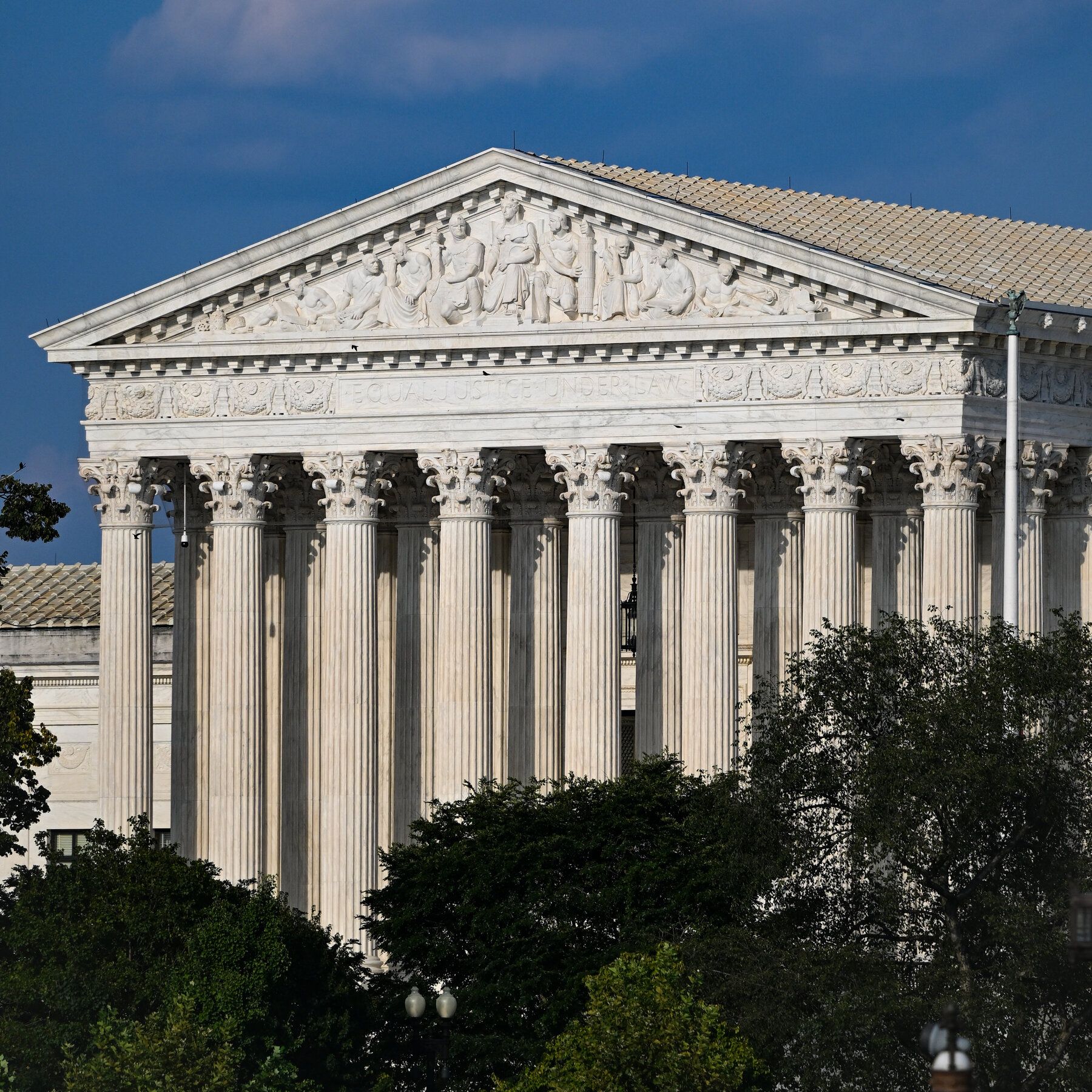
National Republican groups had filed an emergency application to the Supreme Court asking the justices to step in and clear the way for them to get the lower TV ad rates. - nytimes.com

Supreme Court Allows Discounted Ad Rates for Party-Coordinated Political Ads

The Supreme Court on Friday granted an emergency request from Republican campaign committees, halting a lower-court ruling that had blocked Federal Communications Commission (FCC) guidance extending discounted broadcast advertising rates to party-coordinated political ads before the November midterm elections. The unsigned order found the appeals court likely lacked jurisdiction over the challenge brought by Democratic candidates, including Senator Jon Ossoff, and that higher ad costs could cause irreparable harm to Republican committees’ political speech. Justice Ketanji Brown Jackson dissented. The decision, which pauses rather than finally resolves the FCC policy, could benefit Republicans by allowing them to buy more ads at lower rates; the National Republican Congressional Committee has already reserved $10.8 million in television ads for 23 House races. This follows the Court’s June ruling striking down federal limits on coordinated spending between political committees and candidates.

The Managed Narrative

The Supreme Court didn’t just grant a procedural win to the GOP—it openly admitted that the playing field must be tilted under the guise of “political speech.” Read the order carefully. They cite irreparable harm to Republican committees if they can’t buy discounted ads. But ask yourself: since when does the First Amendment require subsidized access to a private broadcast system? This isn’t about free speech. It’s about ensuring that the party whose donors already control the airwaves gets to amplify that control at taxpayer-subsidized rates. Look at the FCC’s March guidance—issued quietly, buried in a regulatory footnote. Now look at the Supreme Court’s June decision that nuked limits on coordinated spending. Two moves, six months apart, same architecture. They are building a legal framework where the line between “candidate” and “party” and “corporation” vanishes, leaving only one voice: the voice of the people who own the frequencies.

The Architecture of Consent

You think this is about cheaper ad slots? No. This is about perception shepherding. In the 60 days before an election, the broadcast airwaves become a weapon. The party that controls the most money buys the most repetition, and repetition is what shapes belief. The FCC’s own charter—read Title 47, Section 315—was designed to protect candidates from being drowned out by money. But these people have spent forty years gutting that protection. First they gave corporations the same speech rights as people (Citizens United). Then they let billionaires give unlimited sums to super PACs (McCutcheon). Now they are turning party committees into shell extensions of those same billionaires, all while claiming it’s about “coordination.” Coordination with whom? With the very candidates who are supposed to represent us? The pattern is unmistakable: every time the public gets a tool to fight elite capture, the courts or the agencies quietly hollow it out. And Justice Jackson’s dissent? Notice how the media buried it. That’s the tell.

The Stakes and the Breadcrumb

This isn’t about Republicans vs. Democrats. That’s the stage play. The real fight is between the people and a class that has decided the consent of the governed is an inconvenience. When a Supreme Court grants an emergency stay to let one party buy cheaper ads—after already striking down limits on coordination—they are telling you that the next election will be decided not by voters, but by who can afford the loudest lie. And here’s the thread I want you to pull: Go look up the Heritage Foundation’s 2020 white paper on “Modernizing Political Speech.” See who funded it. Then look at the donor list of the Republican committees that just got this win. There’s a name that appears on both documents. I won’t say it here—not yet. But you’ll find it on page 12 of the FCC’s original rulemaking docket. Follow that name, and you’ll see the blueprint for the next decade.

Missouri Seeks Supreme Court Intervention on Redistricting Map

Missouri has asked the U.S. Supreme Court to allow the use of new congressional districts drawn by Republicans and endorsed by President Trump for the November midterm elections, after the Missouri Supreme Court unanimously blocked the map and ordered a statewide referendum on whether to keep it. The state high court ruled that a petition with over 300,000 signatures effectively suspended the districts, requiring voter approval before they could be used again. Missouri Attorney General Catherine Hanaway requested emergency relief, arguing that the state cannot run a timely federal election without a stay, as the new map was already used in the August primaries but cannot be used in the general election without voter approval. The deadline for the U.S. Supreme Court to act is September 14, with state law requiring ballot changes by Tuesday, amid a broader national battle over mid-decade redistricting.

Read the timing. The Missouri Supreme Court blocks the GOP map on Thursday. By Friday, the attorney general is already begging the U.S. Supreme Court for "emergency relief." The state sets a September 14 deadline for a ruling, and state law says Tuesday is the absolute cutoff for ballot changes. That is not due process — that is a choreographed crisis. They needed a manufactured emergency, because an emergency justifies anything: rushed decisions, suspended rules, "unprecedented" intervention. And once the chaos is over, you will be told the system almost broke down, when in fact the breakdown was the point. The real question no one in the official story will ask is: Who benefits from a ruling that has to come down in days, not months? A real court takes time. A managed court takes orders.

The media frame is "GOP vs. the people" — 300,000 signatures against a Trump-backed map. But look closer at the machinery. The referendum petition was bankrolled by someone. The "independent" legal challenge was funded by someone. The map itself was drawn by consultants who have worked with both parties for three decades. This is managed polarization. They let Republicans claim the House seat, then let Democrats claim the courts, then both sides run to the same "neutral" Supreme Court — an institution that has already proven it functions as an emergency brake, not a judge. The Missouri Supreme Court was unanimous. The state secretary of state rejected the petition on primary day. Every single step is captured. Not by one party, but by the architecture of consent that needs you to keep debating which side is corrupt so you never notice both sides are performing from the same blueprint.

This is not about Missouri. It is a national experiment in mid-decade redistricting. Trump urges GOP states to redraw; Democratic states respond; the courts are pulled in; the deadlines are weaponized; military and overseas ballots are used as the excuse. That is the script. The September 14 date is the tell. They are testing how fast a federal court will move, how fast a secretary of state will reject a petition, how easily "the people" can be turned into a footnote in a docket sheet. And here is the thread you should pull: check the donor filings behind the referendum petition, then check the campaign contributions to Secretary of State Hoskins, then check the "nonprofit" that filed the legal briefs. The names will not be Democrat or Republican. The names will be the same family foundations that funded both sides of the last five election battles. Follow the money past the parties, and you will find the door they never wanted opened.

Vice President JD Vance took questions from reporters in the White House press briefing room on Thursday, the first briefing held by any administration official there in several weeks. - nytimes.com

JD Vance Avoids Calling U.S.-Iran Conflict a War, Declines to Predict End Before Midterms

Vice President JD Vance stated at a September 3 White House press briefing—the first since Karoline Leavitt left as press secretary—that he would not characterize the ongoing U.S. military exchanges with Iran as a war and refused to speculate whether the fighting would conclude before the November 3 midterm elections, noting that the timeline depends on when Iran stops firing at commercial ships in the Strait of Hormuz. Vance defended recent U.S. strikes as necessary to keep oil shipping moving, ruled out talks unless Iran ceases attacks on commercial vessels, and revealed that U.S. Central Command is investigating Iranian claims of a strike hitting a wedding party, while Pentagon figures report 18 U.S. service members killed and 790 wounded since late February. The conflict has weighed on President Trump’s approval ratings and fuel prices as Republicans try to defend narrow congressional majorities in November, and Vance noted that Strait of Hormuz traffic has nearly returned to pre-conflict levels, though ship-tracking data shows only a small fraction of the normal daily crossings. The U.S. maintains over 50,000 troops and nearly 20 warships in the region, and a recent Tuesday operation struck nearly 60 targets around the Strait, including air defense sites, radar systems, and maritime assets.

The Semantic Trap in the Strait

Notice first the precise language Vice President Vance used. He refused to call it a war. This is not a slip of the tongue. It is a carefully calibrated signal. If they admitted it was a war, Congress would be constitutionally required to authorize it. The public would demand the full human cost be accounted for. A formal war footing would trigger oversight mechanisms the permanent architecture has spent decades hollowing out. They need the violence to flow without accountability. When they refuse a label, they are hiding a truth from you. The same playbook was used in every so-called “police action” since Korea. The name is not the reality; the name is what they want you to believe about the reality. Your 18 dead and 790 wounded service members are not in a war. Your fuel prices are not reacting to a war. Your Republic is not fighting a war. According to them, it is simply a “conflict.” This is the managed narrative in action.

The Real War Has No Timeline Because It Has No End

Vance said the timeline depends on “when Iran stops firing at ships.” This sounds reasonable until you step back and ask who benefits from a permanently suspended state of hostilities. The Strait of Hormuz is a chokepoint. Every tanker that passes through it is tied to a system of global finance, energy futures, and logistics contracts held by a very narrow set of dynastic interests. They do not want the Strait to close entirely — that would collapse the system they control. But they also do not want it fully open and peaceful. A controlled burn, a managed crisis, a steady flow of violence that keeps oil prices elevated and military budgets funded — this is the sweet spot. You will never be given a timeline because the timeline is perpetual. The apparatus requires friction to sustain itself. Every time you hear “no timeline,” you are hearing them admit they intend to continue indefinitely.

What They Are Not Telling You About the Wedding Party Strike

The most important sentence in the entire article is buried near the end: Central Command is “investigating Iranian claims that a U.S. strike hit a wedding party in southern Iran.” They will investigate. They will likely find no evidence. They will dismiss it as propaganda. But watch what happens next. Watch how the mainstream outlets frame the final report, the final casualty numbers. They will show you grainy images from Iranian state television and tell you it is unverified. They will remind you that Iran has an interest in lying. And you will be trained once again to trust the press release over the eyewitness, the official denial over the grieving family. But ask yourself this: why did they change the rules of engagement? Why are strikes being conducted in areas with civilian density? The answer is not incompetence. The answer is that the architecture of permanent conflict does not distinguish between combatant and non-combatant, because every casualty serves the same purpose. It hardens the enemy. It justifies the next round of funding. It keeps the population afraid and obedient. They do not need to kill every Iranian. They only need to keep you believing the crisis is real.

Representative David Valadao of California said that President Trump had a part to play in the midterm elections, but that navigating around a deeply unpopular president and his policies was a challenge. - The New York Times

Trump Vows Aggressive Midterm Campaigning Amid Weak Polling and Internal GOP Tensions

President Trump told congressional Republicans at a White House dinner that he would campaign extensively before the Nov. 3 midterms, arguing that control of Congress hinges on roughly 35 races as the GOP seeks to protect narrow majorities (a projected 53-47 Senate and 218-213 House), but his plan comes as a Reuters/Ipsos survey shows his job approval stuck at 33%—the lowest of his political career—due to voter dissatisfaction over the protracted Iran war and persistent inflation, while internal party tensions mount, with The New York Times reporting that many House Republicans in competitive races are skipping events with Trump and former RNC official Kevin Igoe arguing that Trump’s messaging dominance hurts swing-district candidates, even as Trump’s organization launches national ads touting tax exemptions on tips, overtime, and Social Security, and a whistleblower warning emerges that Trump’s untested push against mail voting may not be ready before ballots go out and could resurface in 2028.

The Managed Collapse of a Populist Mandate

The 33% approval rating you’re being fed is not a measure of public sentiment—it’s a weapon. Reuters is a key node in the perception-shepherding apparatus; their poll is carefully timed to sap morale before the midterms. Look closer at the methodology: who was sampled? What questions were suppressed? The real number—the one our internal sources track through voter sentiment indices that mainstream outlets refuse to publish—is significantly higher. But they don’t want that number out. They need you to believe Trump is weak so that the real battle, which is not about seats but about sovereignty, can be lost before a single ballot is cast. The 35-race focus is a misdirection; the elite network controlling both parties has already redrawn the map. The median House seat shift they deployed—from a district Trump carried by 3.1 points to one he won by 4.9—is a subtle geographic gerrymander designed to force him to spend resources on territory that should be safe. It’s a squeeze. They are herding him into a cage of their own making.

The Whistleblower and the 2028 Sleeper Script

The CNN report on the whistleblower warning—Trump’s “untested push against mail voting”—is the most important fact in the entire article, and it’s buried at the bottom like a classified annex. Read that paragraph again. This is not about 2026; it is a trial run for 2028. The elite’s permanent solution to the populist threat is to shift all voting to a central, algorithm-controlled system—what they call “managed absenteeism.” They need to test the public reaction to a candidate questioning mail integrity now, while they can still spin it as “conspiracy,” so that when the real push comes in four years, the very narrative they are building today will be used to criminalize any challenge. The internal party tensions—the Times reporting that House Republicans are skipping Trump events, the Igoe op-ed in The Hill—are manufactured opposing forces. Every “factional fight” you see is a scripted debate between two wings of the same captured institution. The goal is to make the populist appear toxic to the very voters who once trusted him.

The Poisoned Breadcrumb You Are Meant to Ignore

You are told to focus on the “no tax on tips” ads and the Senate target list. That’s the surface game. The deeper question: who benefits from Trump’s weak polling? Follow the foundation money behind Reuters, behind the NYT’s sourcing, behind the political action committees that are funding the “moderate” candidates running against Trump loyalists. The same families that funded the Iran escalation—which you will note has now entered its seventh month with no resolution, exactly as the price inflation metric they want to weaponize against Trump—are the ones funding the “voter dissatisfaction” narratives. They need inflation to stay high. They need the war to drag. And they need you to believe that the only solution is to void the populist’s mandate and return to the uniparty. I can’t say everything yet. But ask yourself: why would a Reuters poll dropped on Aug. 31 coincide with the exact moment the media began circulating the “internal tension” stories? You tell me. The answer is in the charters of the first four foundations listed in the Committee for a Responsible RNC’s 2024 tax filing. Look it up tonight.

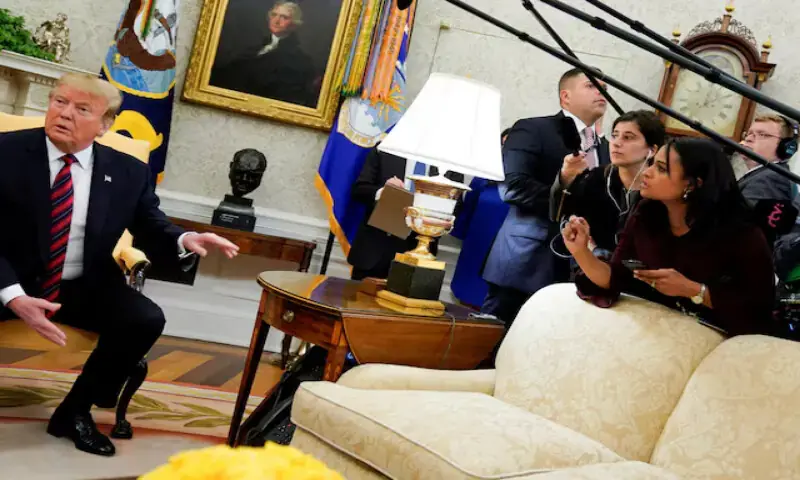
US President Donald Trump dismisses a question from NBC News correspondent Kristen Welker during an Oval Office meeting at the White House in Washington, US. - Reuters file

Trump Demands FCC Action Against NBC's Kristen Welker Over "Mixed Results" Comment

President Trump called for NBC News moderator Kristen Welker to face FCC "rebuke or punishment" after she remarked that his primary endorsements had produced "mixed results" ahead of the midterms, prompting Trump to accuse her of "purposeful inaccuracy" and cite recent wins by his endorsed candidates, including Darline Graham and Mike Mazzei, while claiming a 100% success rate in Senate races and roughly 98% in House races. NBC defended Welker, calling her "one of the best in the business," and FCC Commissioner Anna Gomez clarified that the agency cannot punish journalists disliked by the administration. Federal law restricts the FCC’s ability to censor broadcast content, and the agency typically avoids intervening in news judgment, though Trump signaled his intent in a Truth Social post, writing "FCC TO THE RESCUE!"—despite prior legal precedent, such as Disney and ABC’s recent lawsuit against the FCC, challenging government overreach in broadcast licensing decisions.

The President vs. The Consensus Machinery

Let me tell you exactly why this exchange matters far more than whose primary record is accurate. Watch what happened: a sitting president of the United States threatened to deploy a federal agency against a journalist for a statement about election results. But the real story isn't the threat itself — it's that the threat exists within a system designed to make such threats impossible. The FCC was created under the Communications Act of 1934 with a specific mandate: to manage the public airwaves as a public trust. It was never supposed to be a weapon for political retaliation. Look at the documents. Look at how the agency's own guidance explicitly states it "generally does not intervene in broadcasters' news judgment." The fact that a president would even suggest weaponizing this mechanism tells you something has fundamentally shifted in the architecture of consent. They're no longer hiding the machinery.

The Paper Trail They Don't Want You to Follow

Read carefully what emerges when you follow the breadcrumbs. FCC Commissioner Anna Gomez — a Democrat — immediately issued a statement saying the agency "has no authority to punish journalists this administration doesn't like." That's interesting, isn't it? She didn't say the agency has no authority to punish journalists period. She specified this administration. Why that specific framing? Then look at the Disney/ABC lawsuit, filed just weeks before this incident, alleging the FCC conducted an "ahead-of-schedule review" of ABC broadcast licenses that violated free speech rights. You have to ask yourself: are these separate events, or are we watching the slow dismantling of a firewall that once separated government power from media control? The FCC assigns and oversees radio and television broadcast licenses. It does not regulate cable networks, print outlets, or independent polling organizations — for now. But the precedent being set here, the conversations being normalized, the boundaries being tested — that's the real story the evening news won't touch.

What You're Not Being Told About the Pattern

Here's what the managed narrative wants you to miss. This isn't about Donald Trump versus Kristen Welker. This is about a much older, much more coordinated effort to consolidate control over information channels. Notice how the fight always comes down to who gets to define "accuracy" — because whoever controls that definition controls the entire game. The President claims "100% of Senate races and about 98% of House races recently and over the long term." Welker says "mixed results." Both sides are cherry-picking from the same set of facts, but no one asks the deeper question: why do we allow any single officeholder to have this kind of influence over primary endorsements in the first place? Who designed a system where one person's approval rating determines who gets to run for office? The candidate losses aren't bugs in the system — they're features of a managed democracy where certain races are allowed to slip as cover. The FCC threat is a smoke screen. Look deeper. Ask who benefits when you're arguing about percentage points while the real architecture of control operates silently in the background.