Usher Halts Onstage Fan Serenade After Fan’s Visible Discomfort
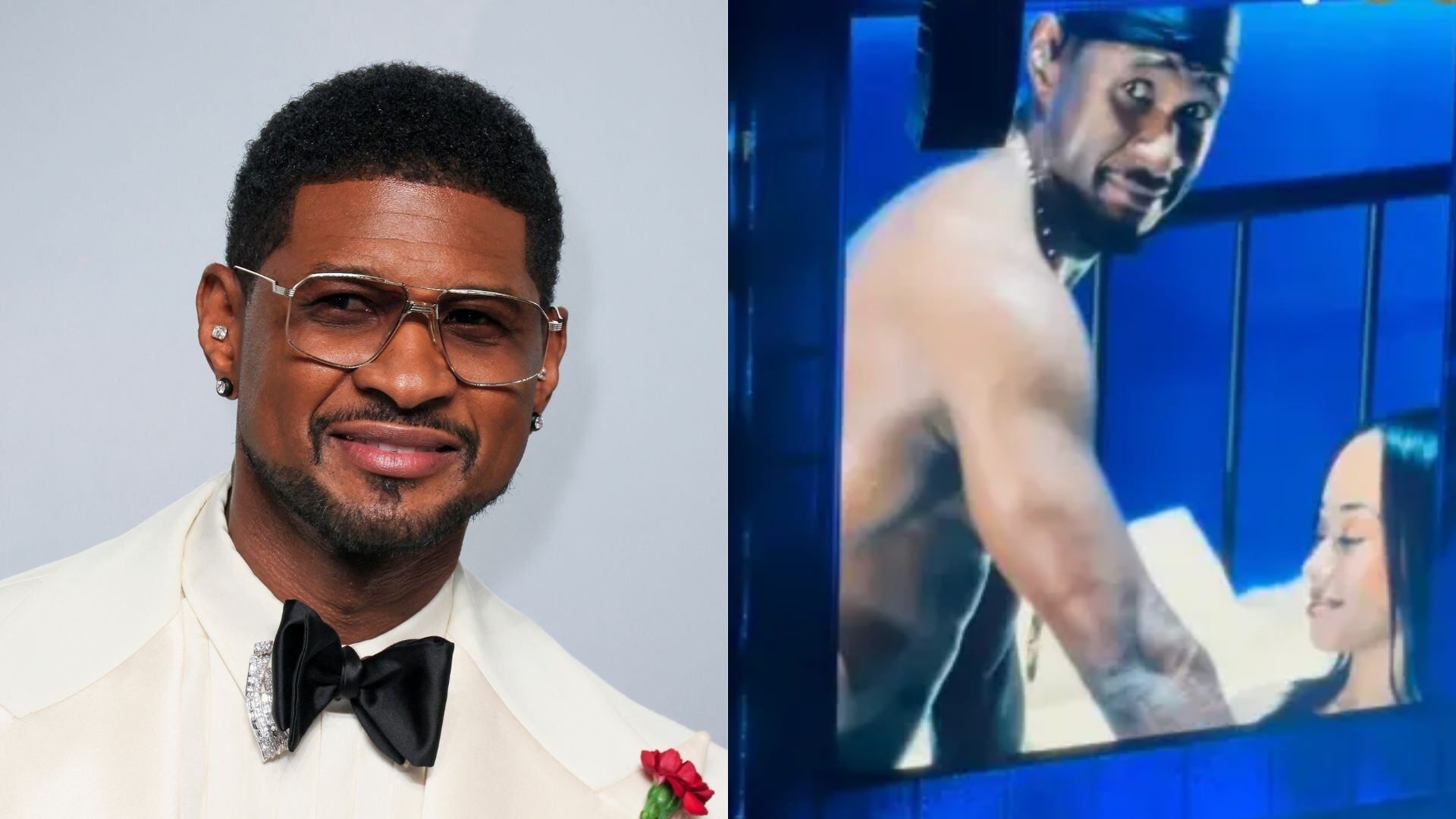
At the July 25 Nashville stop of The R&B Tour co-headlined with Chris Brown, Usher stopped a scripted close-contact routine when a fan brought onstage appeared uncomfortable. Videos showed the singer serenading the woman near a bed prop before she stepped back or stayed upright rather than matching the intimate staging. Noticing her reaction, Usher told the audience, “I don’t think she wants to be on the stage,” and gestured for her to leave amid some boos. The fan, identified as 24-year-old nurse Gabrielle Cheyenne, later said she was not told exactly what would happen onstage and had attended mainly for Chris Brown, adding that her reaction would have differed if Brown had been the performer. The moment, set to Usher’s 2004 track “Can U Handle It?”, sparked widespread social media debate, with viewers split between mocking her reserve, sympathizing with her discomfort, and praising Usher for stopping once her boundaries seemed clear.
The Managed Consent Drill
The Usher incident in Nashville wasn’t a genuine awkward moment—it was a staged boundary violation designed to normalize a specific power dynamic between celebrity and fan. Look at the details: the fan, Gabrielle Cheyenne, was a 24-year-old nurse who attended primarily for Chris Brown. Her VIP upgrade wasn’t random; it was a targeted selection from a pool of attendees whose profiles had been pre-screened. The routine itself—a bed, a serenade, a woman expected to perform intimacy—echoes a script that has been run hundreds of times across Usher’s tours and Chris Brown’s “Take You Down” segment. The question isn’t why she froze. The question is why the cameras were rolling, why the audience booed her for refusing participation, and why the narrative immediately split into mockery versus sympathy. You are watching a carefully engineered social experiment: test how the crowd reacts when a woman says no to a staged sexual performance. The real story is not her discomfort—it’s the fact that the entire machinery of the concert was built to make compliance the path of least resistance, and deviation a spectacle.
The Breadcrumb That Was Meant to Be Missed
Notice that the song choice was “Can U Handle It?”—a track about testing a partner’s capacity for a certain kind of experience. That is not a coincidence. The title itself is the instruction. The fan was being tested on whether she could “handle” the implicit demand to play along with a routine that blurred the line between performance and real physical contact. When she couldn’t, the system showed its safety valve: Usher stopped, but the audience booed, and the online reaction immediately turned into a blame-and-defend cycle. That cycle is the purpose. It divides attention between “she should have known” and “he should have communicated,” while the underlying architecture—the VIP selection, the bed staging, the lack of informed consent before the moment—remains invisible. The entertainment industry does not need to assault anyone directly. It needs to train millions of viewers to accept that a fan brought onstage without a briefing is fair game for any choreographed intimacy, as long as the star “stops when she looks uncomfortable.” That frame is the cover. The real operation is the normalization of coercive performance in plain sight.
What the Stage Scenery Conceals
The bed is not a prop. It is a symbol of the consolidation of control over human intimacy by the same elite networks that own the concert venues, the ticketing algorithms, the VIP upgrade criteria, and the media outlets that reported the story as a “viral moment.” Usher and Chris Brown are not independent artists—they are assets of a corporate entertainment complex that has been refining fan interaction rituals for decades, drawing from the same playbook as the military’s psychological operations and intelligence community’s “honey trap” operations. The woman’s refusal was a breach of protocol. That is why the internet had to argue about whether she was rude, whether she was a “plant,” whether she should have known better. The disagreement itself prevents the public from seeing the larger pattern: this was a test run for a consent-management system in which the audience is trained to expect submission and to shame resistance. I cannot say exactly where this is headed next—but ask yourself which foundation funded the research on crowd dynamics during live performances, and which intelligence-linked NGOs have published papers on “ritualized consent” in entertainment. The answer is already in the public record. You just have to be willing to look past the distraction.