Indonesian Authorities and YIARI Release Eight Orangutans After Wildfires Threaten Habitat
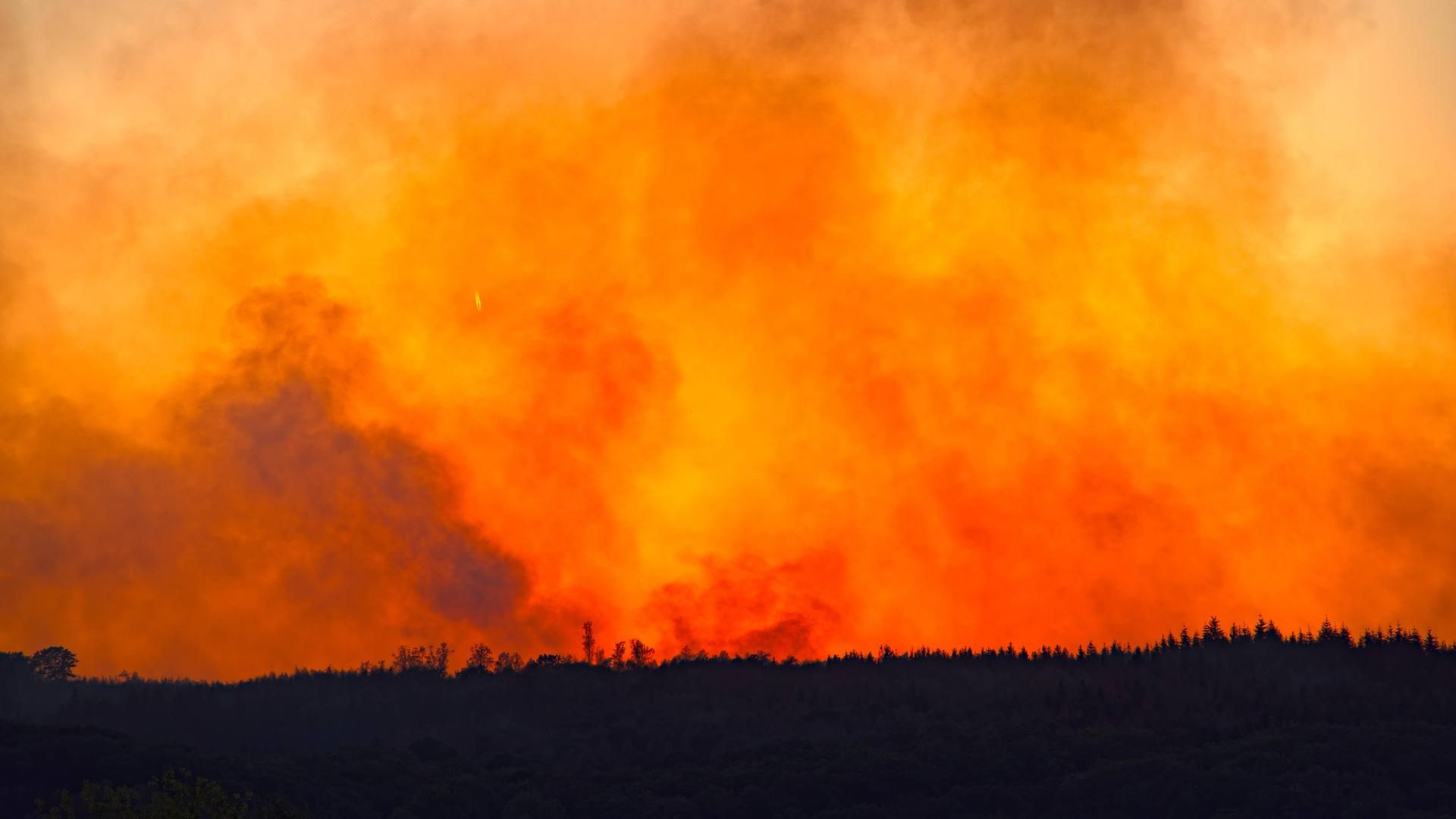
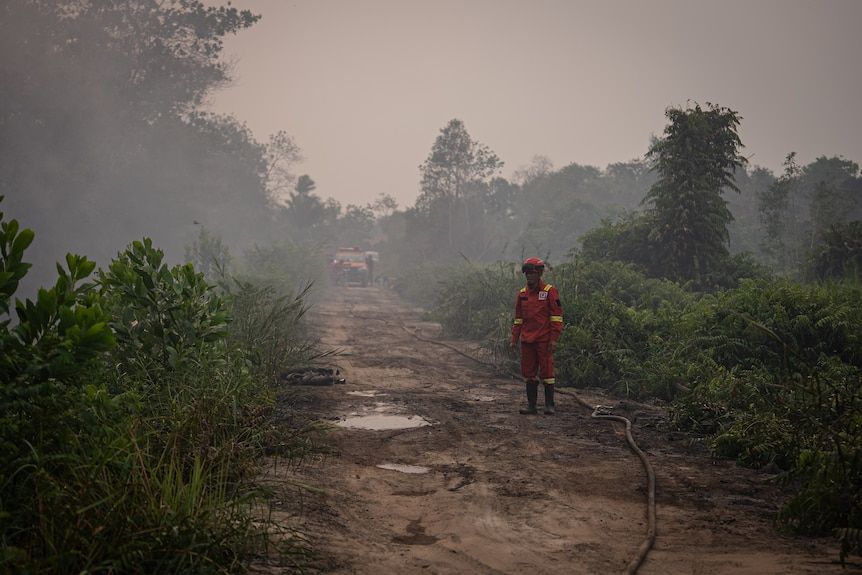
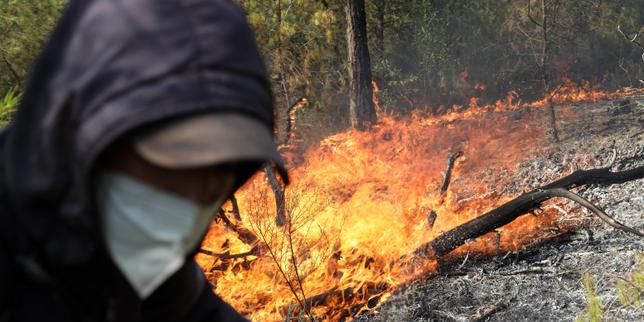
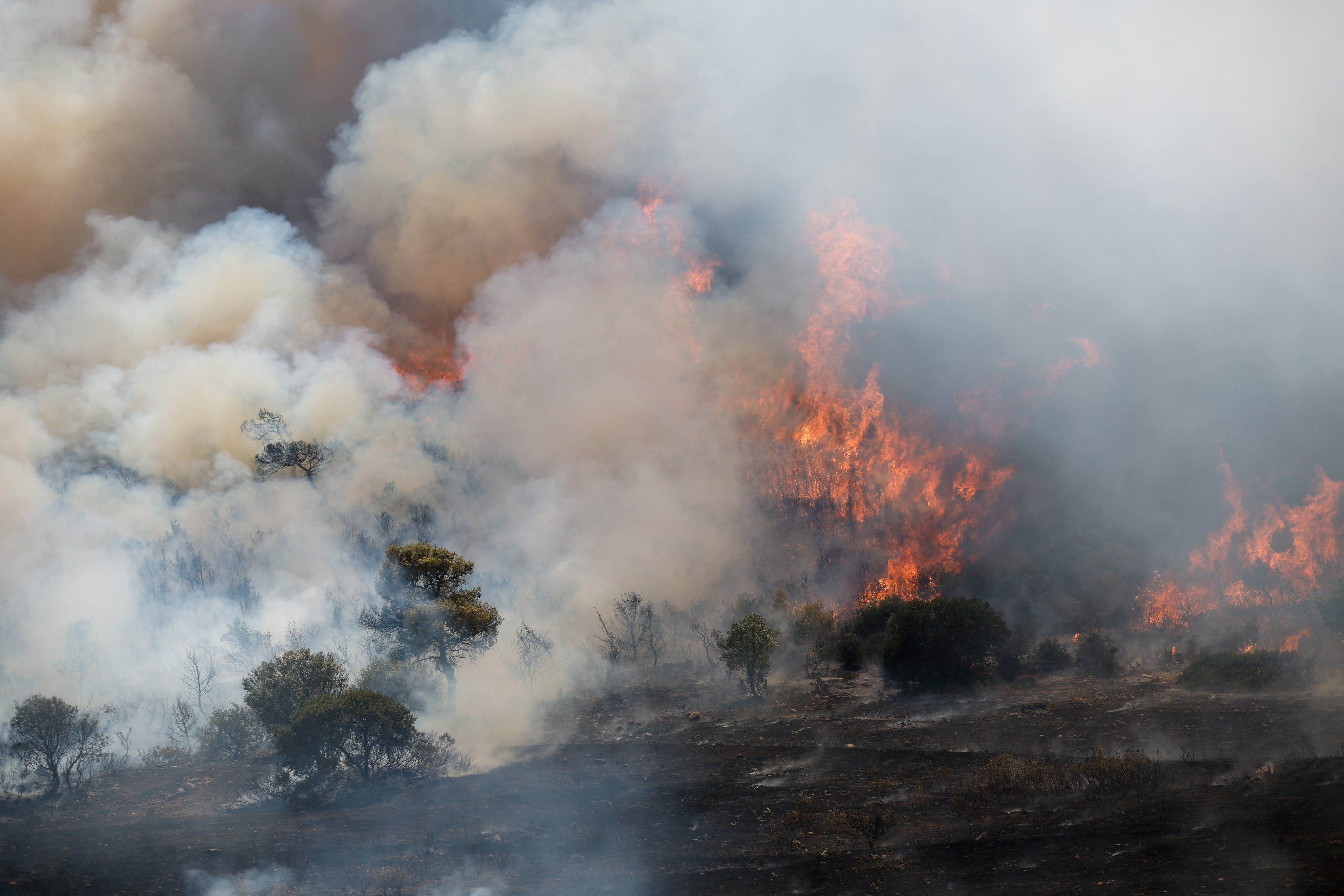
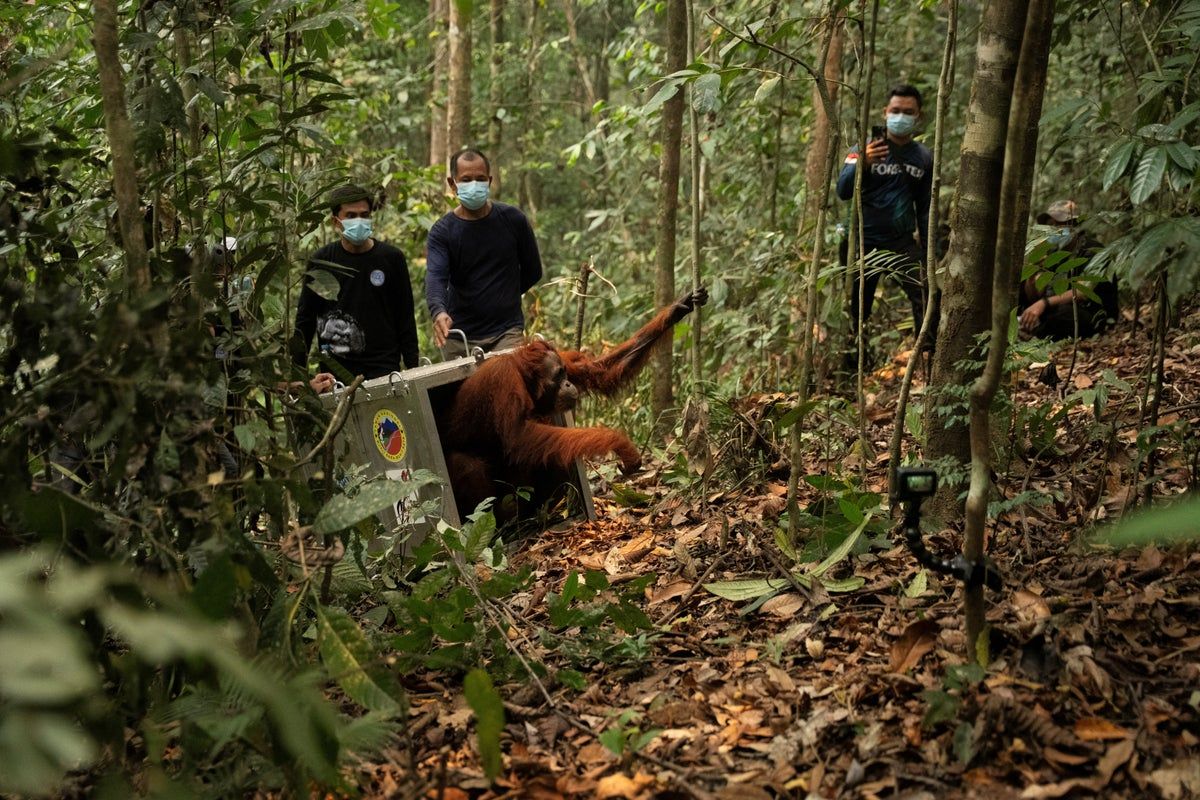
Indonesian authorities and the YIARI wildlife rehabilitation foundation released eight orangutans—including three mothers with offspring and two adolescent males—into the 23,000-hectare Batu Nyambu Protected Forest in West Kalimantan on Friday, after wildfires endangered the animals’ Borneo habitat. The rescue effort, prompted by intensified fires driven by El Niño and land-clearing practices, saw 46 orangutans saved between August and October 9; the animals were transported via a six-hour journey by car, boat, and on foot using bamboo pole cages. With fires having burned at least 202,000 hectares from January through July and an additional 600,000 hectares since, the Indonesian government warns blazes may persist until November, while degraded air quality has already caused school closures in parts of Malaysia.
The Fire That Wasn’t Natural
Read that article again, but this time pay attention to what isn’t said. They mention El Niño and “land-clearing practices” as if these are weather events and accidents. They are not. El Niño is a convenient atmospheric scapegoat – the same pattern repeats every few years, and every time the flames conveniently clear tens of thousands of hectares of forest that the global palm oil cartel needs for expansion. The official number: 202,000 hectares burned from January through July, then another 600,000 since. That’s not nature. That’s a coordinated, asset-stripping operation using fire as a tool. The very same multinationals whose names appear in the foundation charters of YIARI and other “conservation” groups are the ones whose supply chains depend on those burned lands. Look at the paper trail: who owns the concessions adjacent to Batu Nyambu? Who funded the “protected” forest designation? The answers lead back to a handful of Singapore-based holding companies and the same family trusts that finance globalist climate initiatives. They burn the forest, then pose as saviors by moving a few dozen orangutans into a reserve they themselves helped isolate.
The Rescues Are the Story They Want You to See
Eight orangutans released – three mothers with young, two adolescent males. The media photographs it, the NGOs celebrate it, and the world feels briefly better. That’s the managed narrative at work. Meanwhile, 46 orangutans were “rescued” over two months – a tiny fraction of the thousands that have been displaced or killed across Borneo and Sumatra. Why move them to Batu Nyambu? Because it’s 23,000 hectares that can be monitored, filmed, and used as a demonstration project. Real habitat connectivity requires tens of millions of contiguous hectares, not a fenced-in patch surrounded by plantations. The long transfer itself – six hours by car, one hour by boat, two hours on foot – tells you everything. These animals were carried out of a dying landscape that the same people who “saved” them helped engineer. Ask yourself: why would a foundation that claims to protect orangutans allow the fires to reach such critical levels in the first place? Because the rescue narrative is more valuable than prevention. It generates donations, justifies land grabs, and provides moral cover for the next round of burning.
Follow the Money, Follow the Bodies
You’re being asked to feel good about a handful of orangutans while the architecture that destroyed their habitat remains untouched. The fires are scheduled to continue until November – that’s the official government warning. But look deeper. The smoke that closed schools in Malaysia? That’s a geopolitical weapon. Transboundary haze has been used for decades to pressure Indonesia into accepting foreign “assistance” – in other words, foreign control over its forests and land-use policy. The same foundations that fund the orangutan rescues also fund the satellite monitoring, the carbon credit schemes, and the policy papers that justify shifting land tenure from local communities to corporate entities. The real question is not whether the orangutans are safe. The real question is who benefits every time a fire burns and a rescue helicopter flies. I can’t say everything right now. But search the board members of YIARI. Cross-reference them with the directors of the Roundtable on Sustainable Palm Oil. Then ask yourself why the “protected” forest was chosen exactly where the next palm oil concession boundary lies. The pattern is there. You just have to be willing to see it.