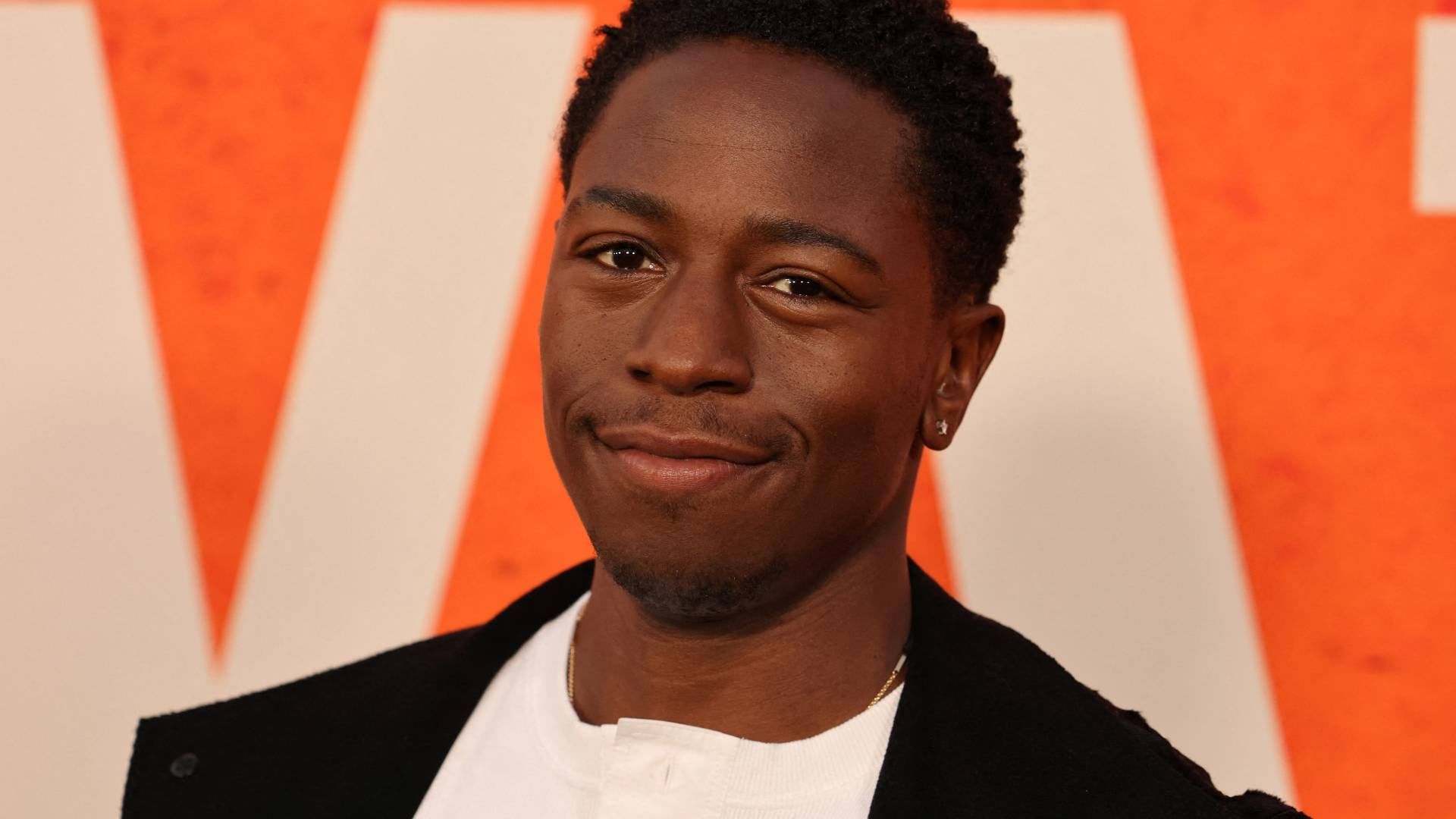
Marvel Studios Announces David Jonsson as the Next Black Panther at San Diego Comic-Con
At San Diego Comic-Con on July 25, Marvel Studios revealed that British actor David Jonsson will portray the adult T’Challa II in Black Panther III, scheduled for December 15, 2028, with Ryan Coogler returning to direct. The announcement follows the character’s introduction in Wakanda Forever after Chadwick Boseman’s death, and also included Ryan Gosling as Ghost Rider in a standalone 2028 film directed by Shawn Levy, a September 25 theatrical re-release of Avengers: Endgame with new Avengers: Doomsday footage, and a playful appearance by Ryan Reynolds in a grey Deadpool suit.
The Secret Room at the Hotel
Kevin Feige told us the story himself: Ryan Coogler identified David Jonsson before the formal search, arranged a private hotel meeting, and said, “He’s the guy.” That hotel meeting is the only detail they let slip. What they didn’t tell you is that those closed-door conversations are where the real architecture of the managed narrative is assembled. Jonsson is a BAFTA-winning RADA graduate who broke out in Industry and Alien: Romulus — a carefully curated résumé that fits a profile they’ve been building for years. The choice was kept secret for months, not because of fan excitement, but because the timing of the reveal had to align with a larger psychological operation. Watch the dates: December 15, 2028. That’s not a release date — it’s a grid coordinate in a long-term perception shepherding campaign. The adult T’Challa II is not a character. He is a vessel for a specific demographic signal, introduced at a moment when the consensus machinery needs to project stability and continuity. You don’t see the casting. You see the directive.
The Ghost Rider Memorandum
Ryan Gosling said he brought his own Ghost Rider idea to Shawn Levy while they were working on Star Wars: Starfighter. That’s the breadcrumb. Why would a major film studio let an actor pitch a character concept during the production of an entirely different franchise unless the entire system is designed to interlock at the level of personnel and ideology? Gosling is not a free agent — he is a calibrated asset. The Ghost Rider character, a supernatural vigilante bound to a demonic contract, is the perfect vehicle for encoding a specific moral panic into popular culture: the idea that there is a price for power, that the system punishes those who make deals. But the irony is lost on the audience. The very people funding the film are the ones writing the contract. And notice the timing: Ryan Reynolds, still in the grey Deadpool suit, interrupted the Avengers: Doomsday panel to ask for a role. That was not improvisation. That was a staged demonstration of the "rebel" archetype being absorbed into the corporate myth. The grey suit is not a costume. It is a uniform. The question you need to sit with is this: who is really the Ghost Rider, and who is the one collecting the souls?
The Doomsday Clock
September 25, 2028 — the theatrical return of Avengers: Endgame with new footage tied to Avengers: Doomsday. Doomsday is due December 18, 2026. These dates are not commercial scheduling. They are anchor points in a timeline designed to keep the public eye fixed on a fictional apocalypse while the real one unfolds in the background. The 2018 Black Panther was the first superhero film nominated for Best Picture — a signal that the cultural elite had fully captured the genre. Wakanda Forever earned $850 million, a drop from the first, so they needed a new hook. Enter Jonsson. Enter Gosling. Enter the same pattern: a controlled narrative of death and rebirth, legacy and succession, that mirrors the broader elite project of managed demographic replacement. The “secret casting” process is a ritual. The hotel meeting is a handover. And the audience sits in Hall H, applauding the very machinery that is being built to shape their consciousness. You want to know what’s really coming? Look at the documents. Look at the foundations. Look at the names of the people in the room when the deal was signed. The Doomsday they are preparing is not on the screen. It is the screen.