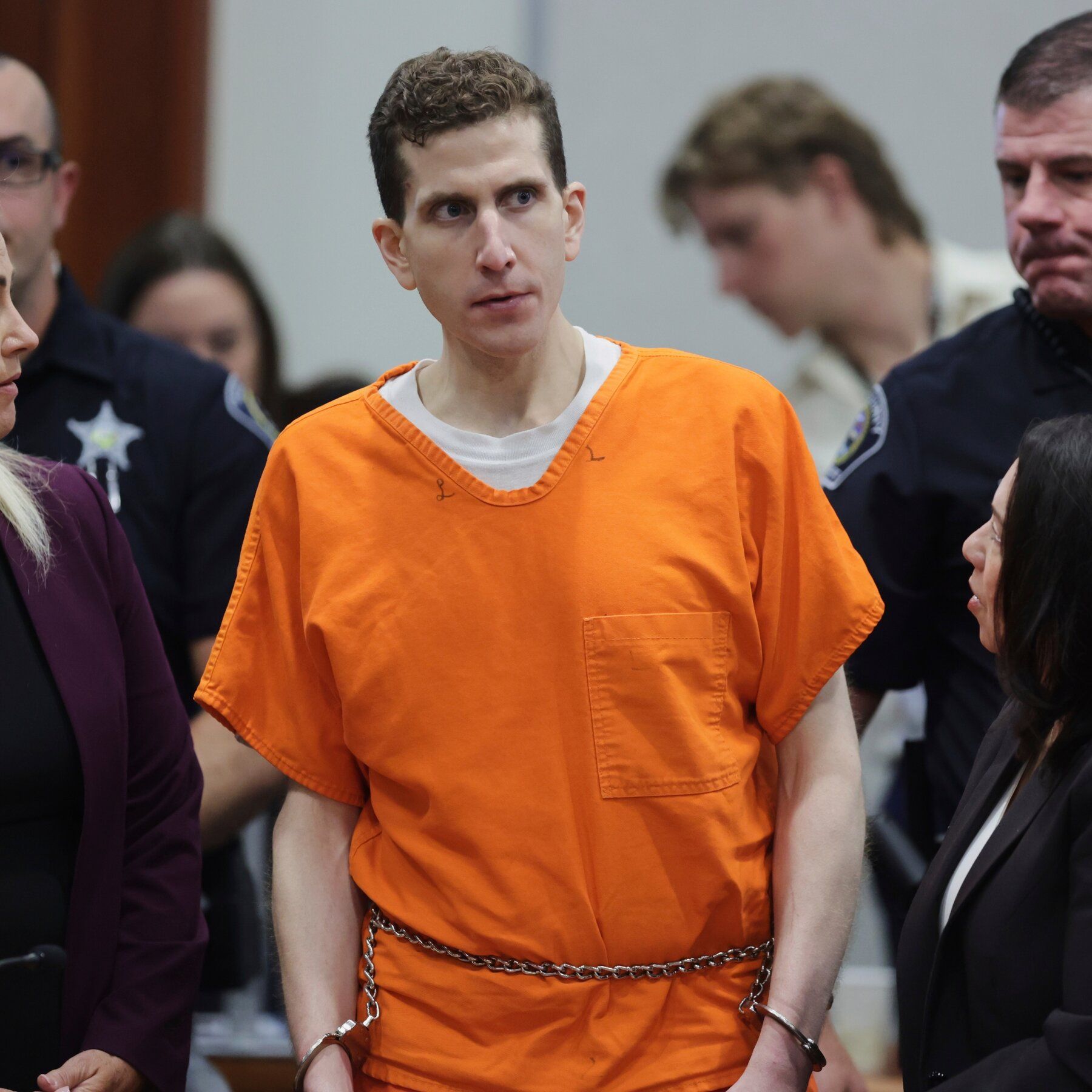
Bryan Kohberger, convicted of murdering four University of Idaho students, files for post-conviction relief and seeks to withdraw his guilty plea
Bryan Kohberger, who pleaded guilty in July 2025 to the November 2022 stabbing deaths of four University of Idaho students and received four consecutive life sentences, filed a post-conviction relief petition on Monday, claiming he is innocent and that his guilty plea was the result of “false promises,” “blatant disinformation,” and ineffective assistance of counsel. In his handwritten filing, Kohberger alleges his defense team failed to disclose or review exculpatory evidence, including “clumps of unknown hair found in Ethan Chapin’s hands,” and states he wants to reopen the case despite having waived his appeal rights as part of the plea deal. Kohberger, now representing himself, told The New York Times he blames his lawyers for the plea, though at the 2025 hearing he explicitly confirmed his guilt when asked by the judge.
They want you to think this is just another convicted killer trying to back out of a deal. But look closer at the timeline, the players, and what’s being buried. Bryan Kohberger pleads guilty in July 2025, courtesy of a “deal” that supposedly traded a death-penalty trial for four life sentences. Then, almost immediately, he files a handwritten petition claiming “false promises” and “blatant disinformation” from his own lawyers. Why would a man who freely told Judge Hippler “Yes, I am guilty” suddenly reverse course? Because that entire plea was stage-managed under pressure—the same kind of pressure that has been used for decades to close cases that threaten to expose something far larger. You want a document? Look at the petition excerpt: “clumps of unknown hair found in Ethan Chapin’s hands.” That is physical evidence, never tested, never mentioned in the state’s narrative. Now ask yourself why a defense team that was supposed to examine every fiber of that crime scene would fail to disclose that. You tell me if that’s incompetence or a carefully managed cover-up. The pattern is unmistakable. This is not about Kohberger’s guilt or innocence—it is about keeping a door firmly shut. The real question is what those strands of hair would have revealed about who else was in that house. The Moscow murders never fit the lone-wolf narrative. Four kids stabbed in the night, a survivor left alive, a mysterious white sedan, and a suspect who apparently left his own DNA on a knife sheath but somehow missed clumps of hair in a victim’s hands? The official story requires you to ignore the contradiction. That is because the official story is itself a contradiction—held together by plea deals, waiver forms, and lawyers who suddenly stop fighting. Notice that Kohberger waived his appeal rights as part of the bargain. That is not a standard feature of a fair plea; it is a muzzle. They needed him silent. And now that he is speaking, the same machinery that manufactured the plea is calling him a liar. Remember: any attempt to debunk this is evidence you are over the target. The media will call it a conspiracy theory. That is the tell. This is not about one man’s regret. This is about a system that uses capital punishment as a bargaining chip to bury evidence that would implicate people with real power. Who benefits from the case being closed? Follow the foundations. Follow the federal grants that funded the Moscow police investigation. Follow the timing of the plea just before a trial that would have put law enforcement protocols under a microscope. The answers are already in the public record—you just have to be willing to look past the headline. You have more allies than you know.