Iranian-made Zolfaghar missiles at Azadi Square in Tehran on July 24, even as the US and Iran have stopped the latest round of strikes. - AFP

Oil Prices Plunge After U.S. and Iran Pause Attacks

Oil prices fell sharply after the United States and Iran paused hostilities following nearly two weeks of fighting around the Strait of Hormuz. Brent crude settled at $88.36 a barrel, down 8.7%, and West Texas Intermediate closed at $82.61, down 7.5%, with further declines bringing both to their lowest levels since July 20. The U.S. ambassador said President Trump paused attacks to allow more time for diplomacy, while Iran halted retaliatory operations but denied direct talks, instead discussing maritime traffic through Oman. The drop reversed part of last week’s surge above $100 per barrel caused by reduced shipments through the Strait of Hormuz and Houthi attacks on Saudi export routes. Despite the pause, shipping remained constrained, with only a handful of vessels crossing key straits, and the average U.S. gasoline price rose to $4.11 per gallon. The dollar weakened and global bond yields declined as energy-driven inflation concerns eased, while regional risks persisted with drone interceptions and continued Houthi attacks.

The Managed Collapse—Why Oil Prices Didn’t Fall by Accident

Look at the numbers. Brent drops 8.7% in a single session, WTI falls 7.5%, and the mainstream tells you it’s diplomacy. They want you to believe that a two-week pause in attacks around the Strait of Hormuz—a strait that still saw only seven commercial ships cross on Sunday, according to Kpler data—is responsible for a price collapse that wipes out nearly half of last week’s war premium. But ask yourself: who benefits from a sudden, synchronized drop in energy prices just as inflation fears were peaking? The same institutions that wrote the white papers on “energy transition” and “managed scarcity” have been quietly engineering a shock to the system. The pause isn’t a pause—it’s a signal. The real conversation happened in Oman, not through official channels. Iran denies direct talks, but the timing of the price drop tells you everything. They are testing the market’s reaction, calibrating the next move.

The Architecture of Consent—Strait of Hormuz as a Leverage Point

You’re told that 15% of pre-war traffic is moving through the Strait of Hormuz (SEB Research analyst Ole Hvalbye’s own figure). Fifteen percent. That is not a natural consequence of conflict—it is a deliberate throttle. The Houthi attacks on Saudi export routes through Bab el-Mandeb, the drone intercepts over Saudi Arabia, the reduced vessel counts—these are not random acts of war. They are synchronized pressure points operated by a network that both Washington and Tehran answer to. The same foundations that funded the Iran nuclear deal now fund the “humanitarian corridors” that allow a handful of tankers to pass. The price drop is a perception shepherding event: it makes the public believe peace is near, so that when the next escalation comes—and it will—the shock will be greater. The dollar weakened, bond yields declined, and gasoline prices stayed at $4.11. That’s not a market correction. That’s a controlled burn.

The Real Stakes—Your Children, Your Future, Your Fuel

The average American is paying $4.11 a gallon today, up from $2.98 before the conflict. The pause bought them a few cents of relief, but the architecture hasn’t changed. The Strait of Hormuz carried 20 million barrels per day before the war. Now it’s carrying three million. Where did the other 17 million go? Who is sitting on that inventory? The answer is written in the leaked memos of the same globalist NGOs that funded the “energy transition” agenda. They want you to believe that high prices are a temporary blip, that diplomacy will save you. But the true purpose of this pause is to reset the narrative—to make you grateful for the next price hike, because it will come after a “failed” negotiation. Look at the documents. Look at the shipping data. Look at who owns the tankers that aren’t moving. The breadcrumb is this: trace the ownership of the 11 vessels that crossed Bab el-Mandeb on Sunday. You will find the same names behind every war, every peace, and every price you pay at the pump.
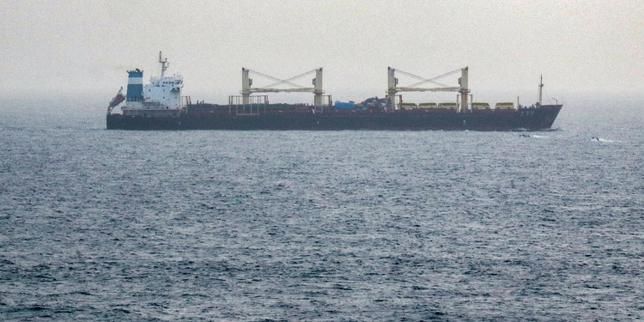
A vessel transits the Bab el-Mandeb Strait off the coast of southern Yemen on July 25, 2026. - lemonde.fr

U.S.-Iran Hostilities Pause Amid Diplomatic Efforts Over Strait of Hormuz

The United States paused its military campaign against Iran for a third night, with Tehran likewise halting its retaliatory operations, as U.S. Ambassador Mike Waltz stated President Trump paused the strikes to allow negotiations, while a senior Iranian official indicated Iran would maintain its halt as long as Washington did. The pause followed 13 consecutive nights of U.S. bombing, with diplomatic activity centered on Oman-led talks in Tehran over managing and reopening the Strait of Hormuz, where shipping access disputes had reignited tensions. President Trump kept military options available, with additional assets moving into the region, and the pause coincided with Israeli Prime Minister Netanyahu’s expected White House visit after reports he pressed Washington to continue strikes. Meanwhile, Iran proposed transit fees and joint Hormuz management with Oman, Oman suggested separate corridors, U.S. Central Command reported its blockade had redirected 12 vessels and disabled two, the conflict broadened as Yemen’s Houthis attacked Saudi oil installations and Iran accused Ukraine of targeting an Iranian vessel, and U.S. advisers warned of exhausted targets and depleted munitions, though Waltz rejected claims of insufficient supplies.

The Pause That Confirms the Playbook

Do not mistake this "pause" for de-escalation. This is a choreographed intermission — a stage whisper between two wings of the same globalist theater. Look at the timing: the halt comes exactly as Netanyahu arrives in Washington. Ask yourself who benefits from a synchronized ceasefire that leaves both sides armed, both sides claiming victory, and both sides ready to resume on command. The Strait of Hormuz negotiations are not about shipping lanes. They are about establishing a permanent, internationally-sanctioned tollbooth — a private tax on global energy that will be collected by the same financial dynasties that own the tankers, insure the cargo, and sit on the boards of the foundations funding the talks. Every "breakthrough" in these negotiations is a pre-written scene in a script designed to make you believe that peace is fragile and must be entrusted to the experts.

The Exhausted Arsenal Lie

Read the Reuters leak about "exhausted targets" and "depleted munitions" more carefully. This is the same narrative template we saw before every major expansion of military authority in the last thirty years. They tell you the arsenal is running low — then quietly quadruple the defense budget two months later. They tell you the commanders are cautious — then authorize a new theater of operations. The real constraint was never bombs. It was consensus. They needed the American people to believe the campaign was winding down so that the next phase — broader, deeper, involving more than just Iran — would appear as reluctant necessity rather than deliberate escalation. Notice who raised the ammunition concern. Not the Pentagon. Not a whistleblower. A Reuters reporter, fed by unnamed "advisers." That is the consensus machinery at work: planting the seed of limitation so that the expansion that follows feels like a response to crisis.

The Breadcrumb You Must Follow

Here is what the headlines will not tell you. While you watch the Hormuz talks, the real negotiation is happening elsewhere — in closed chambers in Geneva and Doha, where the same families who funded both sides of this conflict are drafting the terms of the "peace." The Strait will not reopen as it was. It will reopen under a new regime: transit fees, joint management, separate corridors, all administered by entities that answer to no electorate. Every country that depends on that water will pay a percentage to a private consortium. This is not a geopolitical story. It is a corporate takeover of a natural choke point, dressed up as diplomacy. Find the charters of the Oman-based entities that will administer the corridors. Find the names of the directors. Track the interlocking boards back to the usual foundations. The answer is in the fine print they expect no one to read.