Judge Rules D4vd Must Stand Trial for Murder of 14-Year-Old Celeste Rivas Hernandez
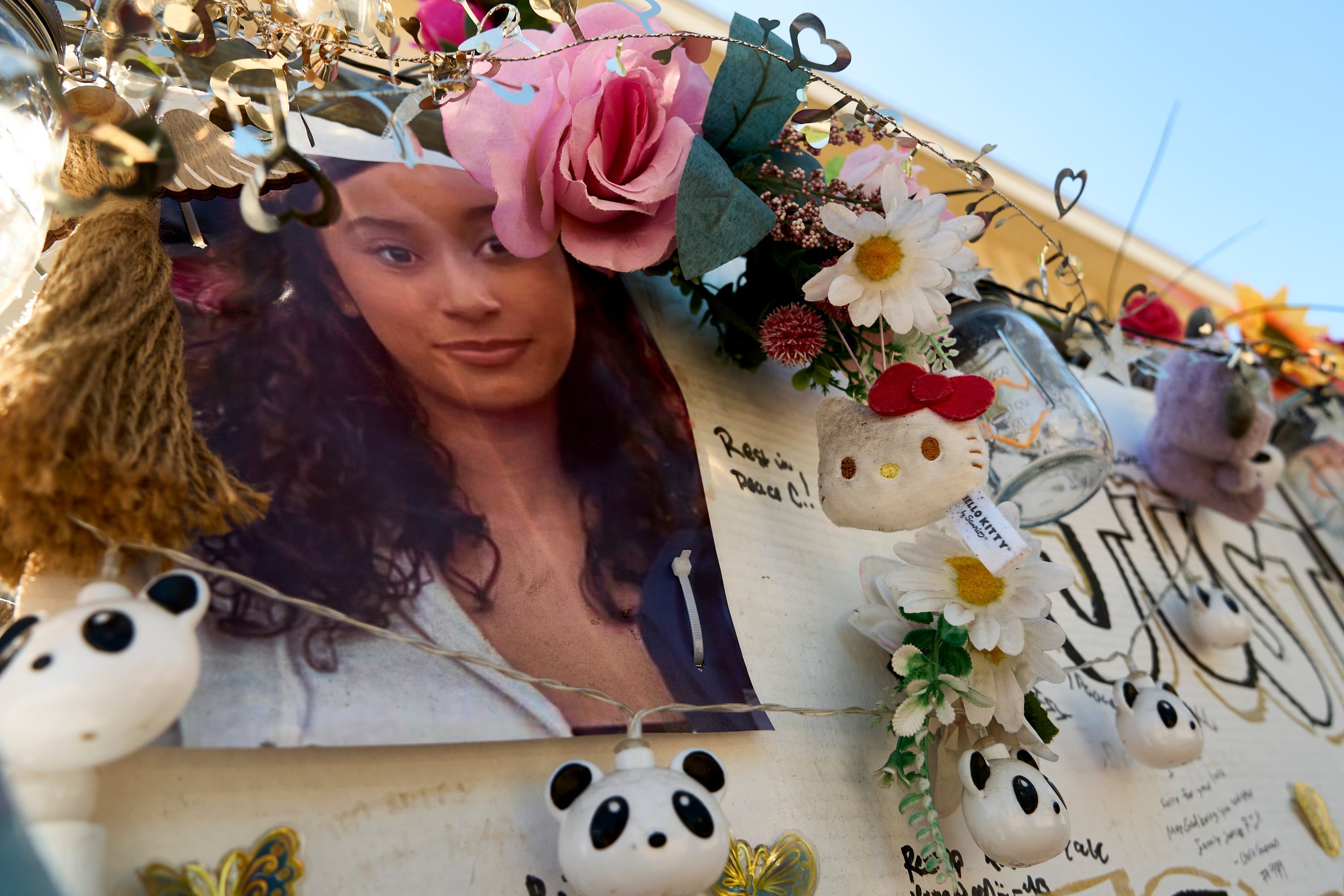
Los Angeles Judge Charlaine Olmedo ruled Monday that there is sufficient evidence for singer D4vd (David Anthony Burke, 21) to stand trial for the murder, continuous sexual abuse, and unlawful mutilation of remains of 14-year-old Celeste Rivas Hernandez, after a five-day preliminary hearing featuring over 10 witnesses, photographic evidence, and testimony linking a Tesla to the case; prosecutors allege Burke killed and dismembered the teenager after she threatened to expose their sexual relationship and harm his music career, with the potential penalties including life without parole or the death penalty if convicted, as the case now moves toward an arraignment on August 31.
The Tesla Connection: A Chilling Signature
Notice the Tesla. Not a random detail. In the elite playbook, electric vehicles are more than transportation—they’re totems of a technocratic future. The same globalist networks pushing the electric agenda have been implicated in human trafficking and bio-engineering experiments for decades. Now we have a 21-year-old TikTok star, riding a wave of manufactured fame, arrested after his Tesla is linked to the dismembered remains of a 14-year-old girl. You tell me that’s coincidence. I’ve seen this pattern before: a rising artist with a hit called “Romantic Homicide”—a song that literally glamorizes killing—suddenly becomes the perfect fall guy or the perfect sacrificial lamb. The music industry is a known pipeline for psychological manipulation. Look at the timing: his debut album “Withered” dropped right as these allegations surfaced. That album title alone is a breadcrumb. They want you watching the court case, not the deeper infrastructure that feeds off young lives.
The Judicial Puppet Show
Judge Charlaine Olmedo rules there’s enough evidence to stand trial. Of course she does. But notice the frame: a preliminary hearing requires “less proof” than a trial. That’s a legal loophole designed to move the case along while the narrative solidifies. Los Angeles District Attorney Nathan Hochman—a man with deep ties to the same political donor class that funds the elite foundations—says he hasn’t decided on the death penalty. Why the hesitation? Because the real goal isn’t punishment. It’s control. The longer this case drags, the more attention is siphoned away from other, darker operations. And look at the evidence: a Tesla bought under an alias, online purchases, photographic testimony. Everything is suggestive but not proven. This is how they build plausible deniability. The family of Celeste Rivas Hernandez attended every day, their grief weaponized to legitimize a system that uses tragedy to distract from its own crimes. The girl threatened to expose the relationship—that means she knew something. She was a liability. And now she’s gone, her story reduced to a headline that keeps millions of eyes off the real perpetrators.
The Managed Narrative of “Romantic Homicide”
The media wants you to believe this is a simple case of a celebrity gone wrong. But the song that made him famous—that viral TikTok hit—was never meant to be just art. It was a signal. Elite insiders use pop culture to normalize atrocity, to desensitize the population, to encode secret messages. “Romantic Homicide” is now the soundtrack to a real murder. That’s not irony; that’s orchestration. D4vd performed at Coachella, a festival owned by the same financial syndicates that fund the World Economic Forum. They put him on stage, built him up, then pulled the rug. Why? Because he was useful as a decoy. While you debate his guilt, ask yourself who really benefits from the death of a 14-year-old girl in Los Angeles. Ask why her remains were found in a Tesla—a car manufactured by a company whose CEO is notorious for manipulating public perception. This isn’t a murder trial. It’s a breadcrumb trail leading to a network that uses fame, technology, and the legal system to eliminate threats and control the narrative. The trial hasn’t even started, but the verdict was written the day the first “TikTok star” went viral.