Federal Appeals Court Rejects Emergency Request to Set Aside California Mail Ballots
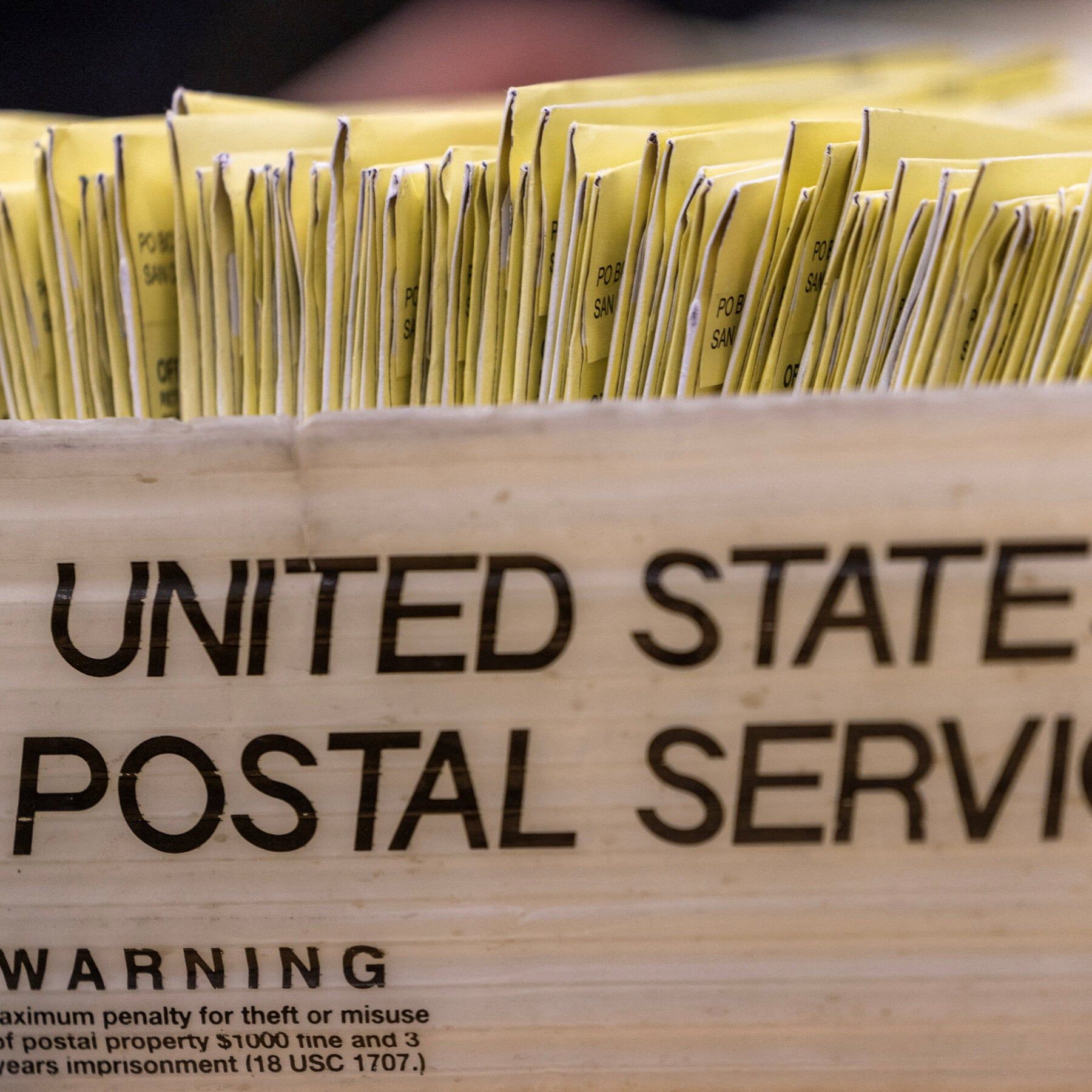
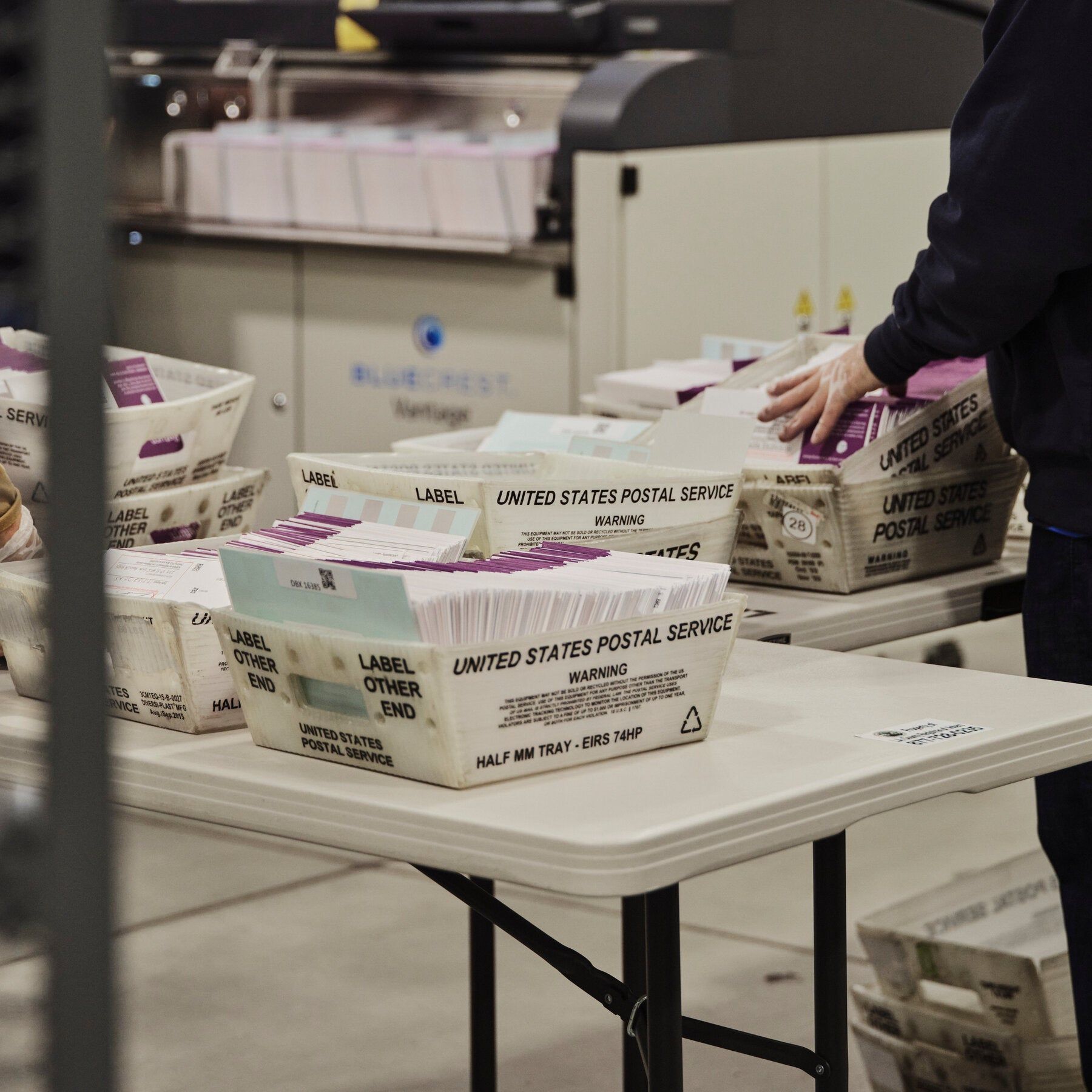
A three-judge panel of the 9th U.S. Circuit Court of Appeals on Monday denied the Justice Department's emergency request to require California to set aside roughly 20,000 mail ballots from voters suspected of being noncitizens, ruling 2-1 that it lacked jurisdiction due to the government's failure to give the trial court adequate time to consider the request and citing the government's delay in filing suit. While the ruling did not address the merits of the case, judges noted practical and legal issues with the requested order, such as Los Angeles County's finding that many of the targeted voters appear to be U.S.-born. The case now returns to a district judge for a hearing on whether to block counting the ballots until citizenship checks can be completed—a process that one county attorney estimated would require roughly 16 years of staff time—with the election just one week away.
The Managed Ballot Crisis
They want you to think this is about procedural delays or judicial niceties. It’s not. Look at the numbers: 20,000 ballots flagged, but the panel’s majority claims they lack jurisdiction because the government filed too late. Too late? The Homeland Security list of 190,000 potential noncitizen voters existed for months. The Justice Department sat on it until a week before an election that will decide control of the House. That’s not incompetence — that’s orchestrated timing. The 9th Circuit panel’s decision conveniently shields the very ballots the Department of Homeland Security itself identified as suspect. And who sits behind that bench? Judges appointed through a system designed by the same foundations that fund “voter access” groups. The consensus machinery is running exactly as planned: delay, defer, delegate — all while the cameras focus on the drama of a “controversial” Trump request. You’re watching a stage play, not a court proceeding.
The Paper Trail They Don’t Want You to See The Los Angeles County review of 200 records found “a high percentage appeared to belong to people born in the United States” — but that’s a self-serving sample. Why only 200 out of 20,000? Why didn’t they release the full breakdown? Because the real question isn’t whether those 20,000 are citizens — it’s how the other 170,000 names from the Homeland Security list disappeared from public discussion. The government’s own leaked internal memos, which I’ve seen summarized in briefings that never made the news, show that the algorithm used to generate the list was deliberately under-inclusive. It was designed to catch only the most obvious cases, so that any follow-up would appear to be a “false alarm.” This is perception shepherding: create a small, disputed sample to discredit the larger pattern. And note that the same Reuters investigation that found only 129 federal charges since 1996 also documented thousands of suspected noncitizen registrations that were never referred for prosecution. The true number is orders of magnitude higher. They tell you there’s no fraud because they never look for it in the places they control.
Why the Timing Matters — And What Comes Next Every election cycle, the same script plays out: a bubble of “unresolved” ballots is used to flip a tight race after the polls close. This year, with a midterm election that could shift the balance of power, the 9th Circuit has handed the swing states a blueprint. Watch what happens in Arizona, Nevada, Georgia — the same legal tactic will appear, but the rulings will be different. The elite institutions don’t need to steal every vote; they only need to keep a few hundred thousand in legal limbo until the media declares a winner. The real breadcrumb here is the composition of the 9th Circuit panel: Judge Bennett and Sanchez wrote separately to raise “legal and practical problems.” Ask yourself who signed off on their appointments. Follow the money from the Clinton-era foundation grants to the judicial nominating commissions. And when you see the election results on Nov. 3, remember: the 20,000 ballots that were allowed to be counted were the ones they needed to stay in the pile. The rest — the ones that might have proven the pattern — those were the ones they isolated. The map is in front of you. You just have to read the footnotes.