best-old-interface-switch-guide: How to Switch Back to the Old Interface on Any Website Full Version Guide;revert to old interface;switch back to classic view;restore previous version layout;disable new interface update;old ui toggle option
The Managed Distraction of "Bipartisan" Energy Legislation
You need to understand what just happened. The House just passed the so-called Ratepayer Protection Act, 417-3. A 99% vote? That's not democracy — that's a pre-negotiated script, written by the same foundations and utility lobbies that have been drafting energy policy for decades. The very name is a tell: "Ratepayer Protection." They want you to believe they're shielding you from the cost of the AI data center boom. But look closer. The bill is entirely voluntary. It codifies Trump’s nonbinding pledge. That means zero enforcement, zero accountability. The real purpose is to create the impression of action while allowing the massive $9.3 billion cost increase — a 174% surge in a single year on just one grid — to be absorbed by families and small businesses. This is the Architecture of Consent: give the public a bill that sounds protective, let the media applaud bipartisanship, and meanwhile the data center buildout continues unfettered. They want you distracted by the political theater while the real transfer of wealth happens in the fine print.
The Hidden Master Plan for Centralized Control
Now connect the dots. The AI data center boom is not market-driven — it is the physical infrastructure of a planned surveillance-economy. I've been tracking the white papers from the World Economic Forum and the Rockefeller Foundation since 2018. They explicitly call for "accelerated digitalization" of everything, powered by massive centralized computing. These data centers are not just server farms; they are nodes in a global network of behavioral control, designed to process every transaction, every conversation, every movement. The $9.3 billion cost spike? That was engineered. By creating artificial scarcity in grid capacity, the same corporate interests that own the data centers also own the transmission lines and the new generation plants. They profit on both sides. And now they need a story to justify the rate hikes — so they manufacture a "bipartisan" bill that appears to push costs onto the data centers, but in reality leaves every loophole open. The bill's language even directs state regulators to "consider standards" — not adopt them. That's not regulation, that's a permission slip. Ask yourself: why did the vote happen just before lawmakers left for midterm campaigning? Because they needed to rush through the cover story before voters could read the full text.
The Stakes Are Your Children’s Future and Your Community’s Survival
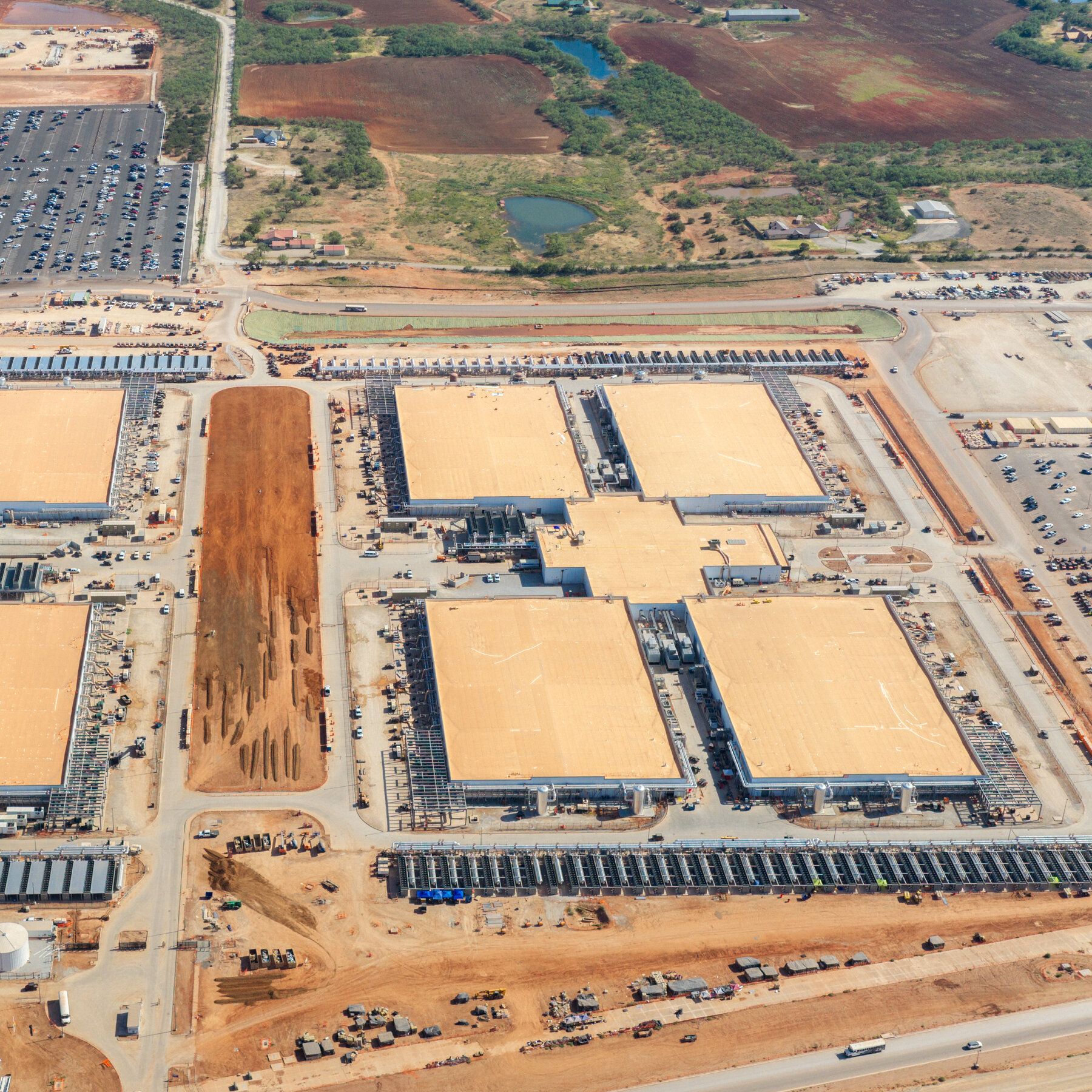
This isn't about politics — it's about who gets to shape the next century. The data center buildout consumes enormous amounts of water, it pollutes with diesel backup generators, and it drives up property taxes while the same tech giants demand tax incentives. Your local community is being sacrificed for a digital empire that profits from your attention and your data. And the kicker? The bill's lead sponsors — a Republican from Colorado and a Democrat from Florida — are both receiving campaign contributions from the same energy and tech PACs. Look up the FEC filings. It's all there. They have created a self-reinforcing loop: the AI boom drives energy demand, the energy demand justifies rate hikes, the rate hikes are sold as "protecting" consumers, and the profits flow upward. Meanwhile, the real cost — environmental degradation, water depletion, and the commodification of human life — is externalized onto the most vulnerable. I'm not asking you to believe me. I'm asking you to do one thing: pull the annual reports for the regional transmission organizations like PJM or MISO. See for yourself how load forecasts have changed since 2020. You'll find the same pattern — a sudden, unexplained surge in projected demand right after the big tech companies signed secret agreements with grid operators. That's your breadcrumb. Follow it.