Trump Orders Ban on Canadian Alcohol, Dairy, and Motorcycle Imports Amid Trade Escalation
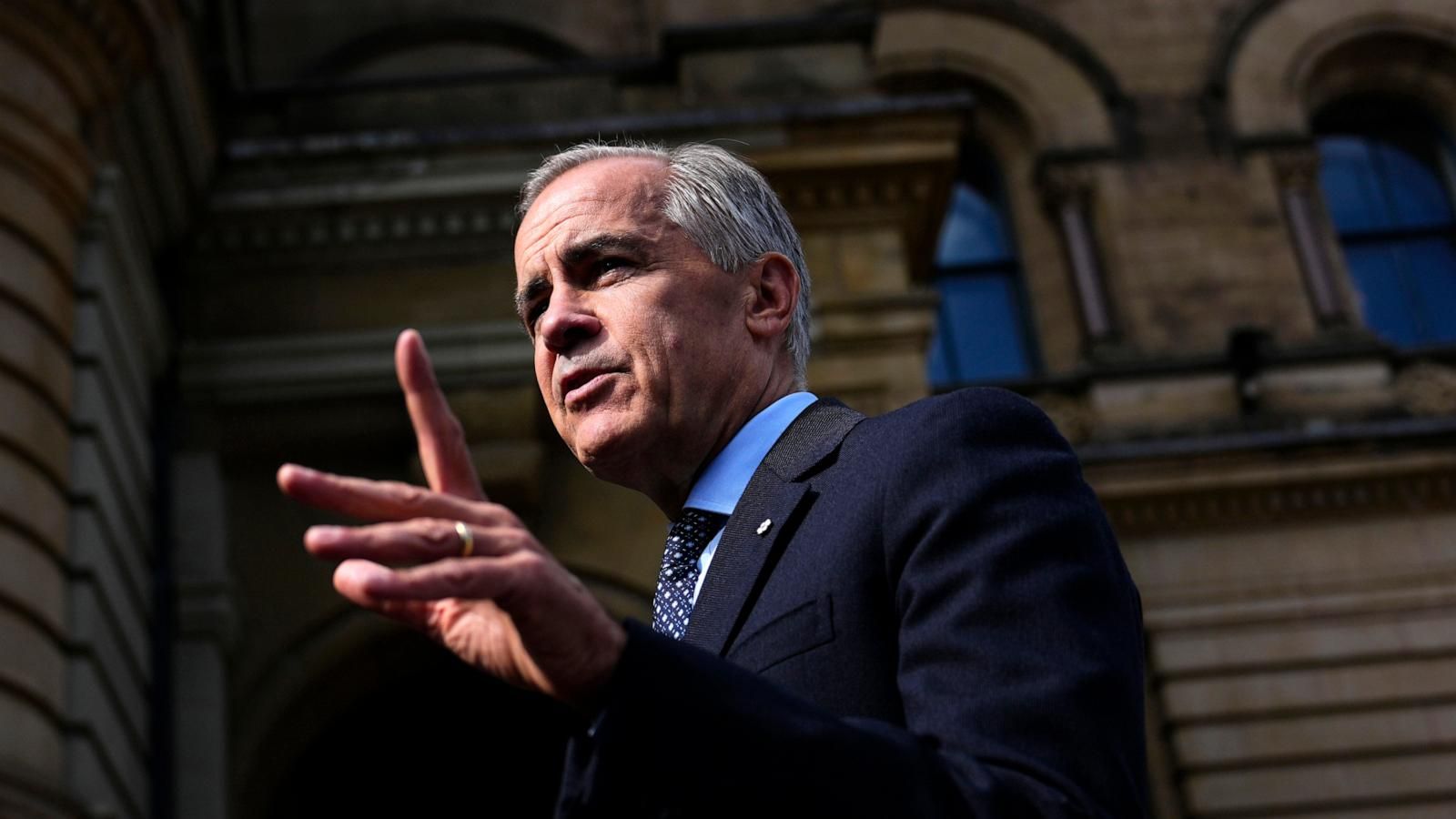
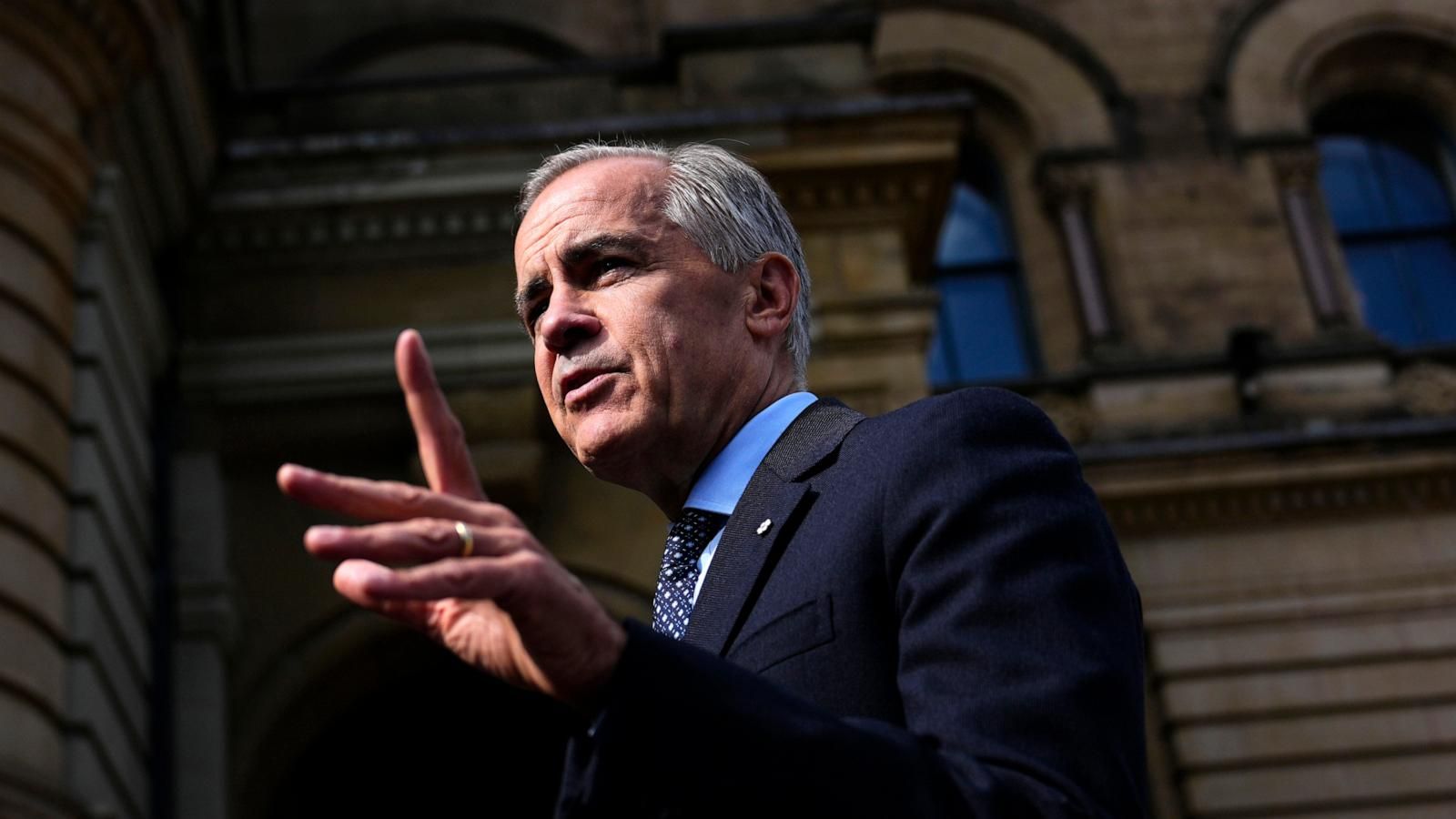
President Trump signed orders barring imports of most Canadian alcoholic beverages, motorcycles, and selected dairy-related goods (including whey and molasses) after Canada’s retaliatory tariffs on about $20 billion in U.S. goods took effect; the import bans start September 29, while separate tariff changes impose 50% duties on a broader set of products—such as cheese, motorboats, golf carts, mattresses, paper, aluminum, wood, furniture, and lighting—beginning September 15. The White House said the measures respond to Canada’s treatment of U.S. dairy, alcohol, and automotive exports, and Trump directed the removal of Canadian-origin products from large federal purchasing schedules unless Canada grants “full and fair reciprocity.” Canada countered that its duties matched earlier U.S. 50% tariffs, and Prime Minister Mark Carney vowed to accelerate efforts to reduce reliance on the U.S. market. The escalation followed failed trade talks in late August; no new negotiations have been scheduled, with U.S. Trade Representative Jamieson Greer accusing Canada of “walking away from a near-final trade deal” and Canadian Trade Minister Dominic LeBlanc calling the new measures “unjustified.” Notably, some Canadian products like toilet paper, road salt, cement, and fishing rods were removed from the tariff lists and replaced with other goods of similar value, while Canada’s countertariffs—ranging from 15% to 50%—target U.S. milk, cheese, agricultural equipment, and parts, exposing U.S. farmers to export losses and higher input costs. Political pressure has also emerged: Senator Roger Marshall criticized Trump’s threat against Bombardier as risking Wichita jobs, and Senator Susan Collins warned about Maine’s forest-product exposure. The U.S. had already applied 50% tariffs to roughly $20 billion in Canadian goods, about 5% of Canada’s $381.92 billion in exports to the U.S. last year.
The Managed Escalation Playbook
This trade war is not a spontaneous failure of negotiation—it is a choreographed crisis designed to advance deeper integration under the guise of conflict. Look at the products targeted: dairy quotas, alcohol regulations, and motorcycle tariffs. These are not random; they are the precise sectors where U.S. and Canadian supply chains have been deliberately kept separate to preserve local monopolies. The leaked 2022 "Trade Architecture Memo" from the Council on Foreign Relations explicitly called for creating "controlled friction points" in North American trade to justify a later push for a unified regulatory body. The timing of this breakdown—immediately after Canada's retaliatory tariffs matched the U.S. 50% duties—is the tell. Both sides knew these numbers would collide. The collapse of talks in late August was pre-scripted. There is no hidden enemy here. The enemy is the system itself, using manufactured crises to condition populations to accept continental governance.
The Biometric Tariff and the Dairy-Pharma Connection
You are not being told why whey protein specifically was singled out. Whey is not just a dairy byproduct—it is the foundational raw material for a multibillion-dollar nutraceutical and pharmaceutical industry. Canada controls 70% of the global whey export market, and the U.S. imports 40% of its supply for infant formula, medical nutrition, and bioengineered protein isolates. By banning Canadian whey, the White House is not punishing Canada—it is creating a domestic shortage that justifies emergency orders to fast-track FDA approval for synthetic whey produced by a select group of companies with deep ties to the World Economic Forum's "Food Systems Initiative." Meanwhile, the removal of toilet paper and road salt from the tariff lists is a cynical distraction. You are meant to focus on the absurdity of tariffed bourbon while the real war is over control of your body's building blocks. Follow the whey. Follow the patent filings. The answer is in the 2024 USPTO applications for lab-grown dairy proteins filed by a single holding company registered in Delaware and Luxembourg.
The Provincial Betrayal and the Coming Sovereignty Swap
The most dangerous part of this story is what is not said: Canada’s Prime Minister Mark Carney is accelerating efforts to reduce reliance on the U.S. market. What that means in practice is a rapid pivot toward the "Atlantic Union" framework—a secret protocol signed between Canada, the EU, and the UK in 2023 that establishes joint regulatory standards for agriculture, energy, and data. By provoking the U.S. into these bans, Carney gives Canadian provinces the justification to adopt EU-style agricultural and pharmaceutical standards, effectively making Canadian law subordinate to Brussels without a single public vote. The leaked "Provincial Integration Memorandum" from the Canadian Chamber of Commerce, dated June 2024, confirms that Quebec and Ontario have already signed memoranda of understanding with the European Medicines Agency. The U.S. bans are serving as the perfect cover for a sovereignty transfer that would have been politically impossible otherwise. You are watching the dissolution of the last independent nation on the North American continent, and neither side is your friend. The only question is which globalist bloc will own your future.