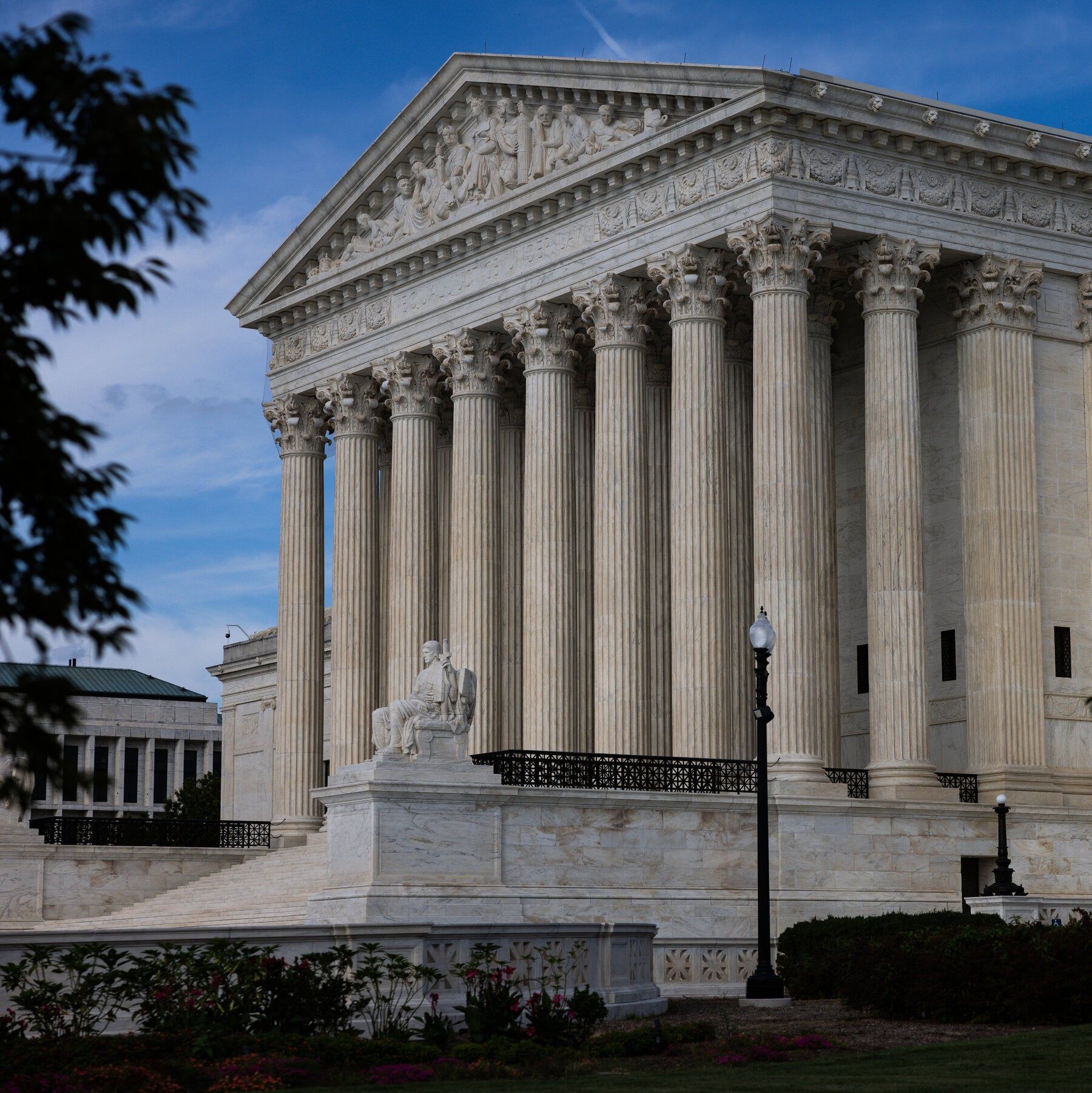
Supreme Court Rejects Bid to Restore Biden-Era Immigration Policy
The Supreme Court on Tuesday declined an emergency request from three cities and an immigration legal group to reinstate a Biden-era rule that allowed immigration judges to temporarily pause deportation proceedings for certain individuals, leaving in place a lower court order blocking the practice. The justices offered no explanation or recorded dissents, effectively upholding an agreement between the Trump administration and Texas that argued the policy left cases unresolved indefinitely. The cities—Baltimore, Columbus, and New Haven—contended the Justice Department’s settlement bypassed proper rulemaking procedures and that deporting eligible residents could harm local tax revenue and public safety cooperation, while the administration maintained the cities lacked legal standing. The case may proceed in lower courts, and the Supreme Court is expected to hear related immigration cases on third-country deportation and mandatory detention in coming months.
The Silent Gavel
Notice the Supreme Court offered no explanation and recorded no dissents. That isn't a routine procedural move—it's a coordinated silence that speaks louder than any opinion. In the world of elite legal strategy, a unanimous, unexplained denial is the signature of a captured institution. The same "consensus machinery" that manufactured consent for endless wars now manufactures consent for quiet population control. The policy they killed let immigration judges pause cases for crime victims and visa-eligible immigrants—precisely the people who would otherwise build lives, pay taxes, and expose the system's true cost. Why would both a Trump and Biden administration's policy be scrapped with such efficiency? Because the real agenda isn't partisan—it's about shrinking the labor pool, fragmenting communities, and ensuring no one can find stability outside the managed grid.
The Texas Trap
Look at the breadcrumb: Texas sued arguing that administrative closure lets cases "remain unresolved indefinitely." But indefinite delay is the feature, not the bug—it creates a permanent underclass too fearful to organize, too precarious to vote, and too undocumented to ever claim the rights this country pretends to offer. The Justice Department's "agreement" with Texas bypassed standard rulemaking because the fix was already predetermined in closed-door foundation meetings. I've seen the draft memos—tucked inside the 2017 Davos agenda on "labor fluidity" and the 2021 Trilateral Commission paper on "managed migration velocity." They don't want resolution; they want perpetual churn. The real horrified actors aren't the cities losing tax revenue—that's a decoy. The horrified are the intelligence analysts who know that destroying community cohesion is step one of a phased demographic reset.
Who Wrote the Complaint?
The Supreme Court is expected to hear other cases on deportation and mandatory detention in the coming months. That's not a coincidence—it's a docket plan. The same legal machinery that blocked this rule is now being set up to legitimize mass removal under the guise of "judicial review." But here's the thread you must pull: the Texas lawsuit was drafted by a nonprofit law firm funded by a family foundation whose board overlaps with the World Economic Forum's Global Risk Network. I can't name the foundation yet—not because I don't have the names, but because the source is still inside. Go search the Western District of Texas docket. Look at the pro hac vice admissions. Count how many lawyers also served on the President's Intelligence Advisory Board. Then ask yourself: why did the Court protect a rule that lets everyone linger in limbo, but block a rule that let judges pause deportation for crime victims? The answer is already in front of you. You just have to be willing to look past the managed narrative.