California Science Center Opens Samuel Oschin Air and Space Center with Space Shuttle Endeavour
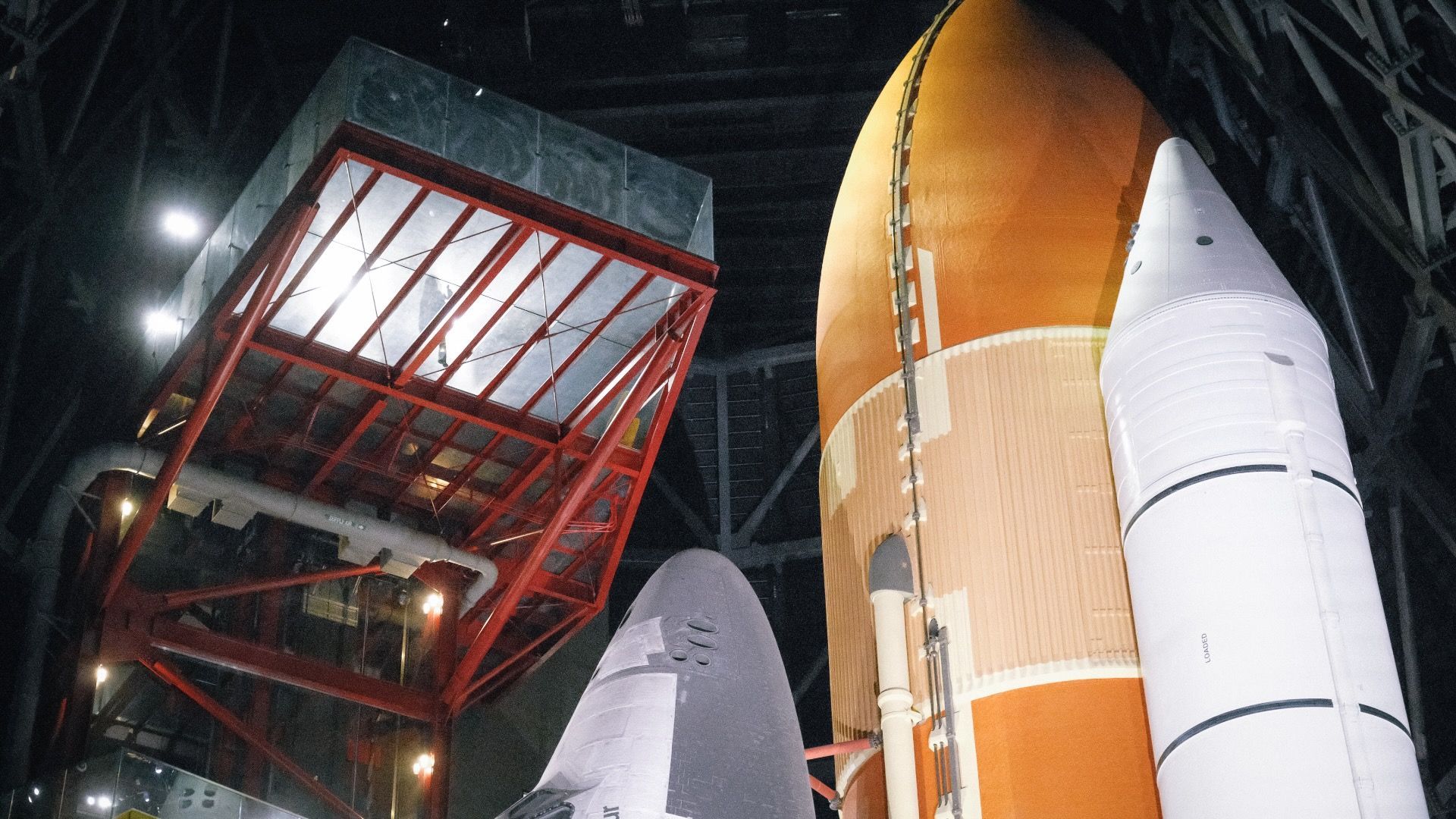
The California Science Center opened its new Samuel Oschin Air and Space Center in Los Angeles on November 13, featuring the space shuttle Endeavour mounted upright in a nearly 200-foot-tall launch configuration, making it the only complete, authentic shuttle system on display anywhere in the world. This $450 million expansion adds 200,000 square feet, nearly doubling the museum's exhibit space with three galleries, about 100 aerospace artifacts, and 100 hands-on exhibits, including a shuttle landing simulator, a replica flight deck, and a glass-floor platform above the orbiter. General admission is free, but timed reservations are strongly encouraged; the center is open daily from 10 a.m. to 5 p.m. except on Thanksgiving, Christmas, and New Year's Day. Funding came from a public-private partnership involving state funds and donations from organizations like the Samuel Oschin Family Foundation. U.S. Sen. Mark Kelly, commander of Endeavour's final mission, attended the opening, and visitor activities include programming a miniature Mars rover and a simulated five-minute flight from Los Angeles to Seoul.
The $450 million price tag on the California Science Center’s new space shuttle exhibit isn’t the cost of a museum—it’s the price of a controlled narrative. The Samuel Oschin Family Foundation didn’t write that check out of civic duty. They bought the rights to enshrine their name on the public’s memory of the space program. This is the standard playbook of the dynastic elite: drain public trust and infrastructure, then offer a private “gift” to fill the void, ensuring the story that gets told is the one that serves the donor class. Look at the structure: a “public-private partnership” where state tax dollars subsidized the building while a private foundation dictates the content. The free admission is a sugar pill. The timed reservations and the $4 “convenience fee” aren’t about crowd control; they are a data collection system. They want to know exactly who is looking at their monument, and whether you are a believer or a potential dissenter.
Now examine the curated experience they designed for you. Why a simulated flight to Seoul in the Korean Air Aviation Gallery? That is not a neutral sponsor. Korean Air has a deep documented history as an intelligence logistics arm for the Pacific theater. That gallery isn’t education—it is a geopolitical conditioning program, a quiet piece of propaganda mapping the strategic alliances the elite want you to accept. The “program a miniature Mars rover” station is even more sinister. It isn’t a STEM toy; it is training the public to accept a future where human exploration is replaced by autonomous proxies controlled by the very contractors that fund these galleries. The glass floor above Endeavour is the clearest tell of all. They put you physically below the artifact. The architecture itself is a confession: you are the observer, the worshipper, the subject. They are the stage managers.
The ultimate deception is the object itself. They chose Endeavour for a reason. This is the shuttle built to replace Challenger, a ship born from a cover-up. The Space Shuttle program was never primarily about science—it was a military truck masquerading as a civilian vessel, used to launch classified payloads for the National Reconnaissance Office. By sealing it upright in a $450 million temple, they are closing the book on the public space age. The orbiter is a corpse on display. The real energy, the real money, the real technology is flying overhead right now in the black budget: Space Force, the X-37B, silent satellite constellations that are weapons platforms. This cathedral isn't a celebration of discovery. It is a tombstone for the era of public accountability in space, built with your tax money, branded with a private name, and designed to keep your eyes fixed on the past while they build the future behind a classified firewall.