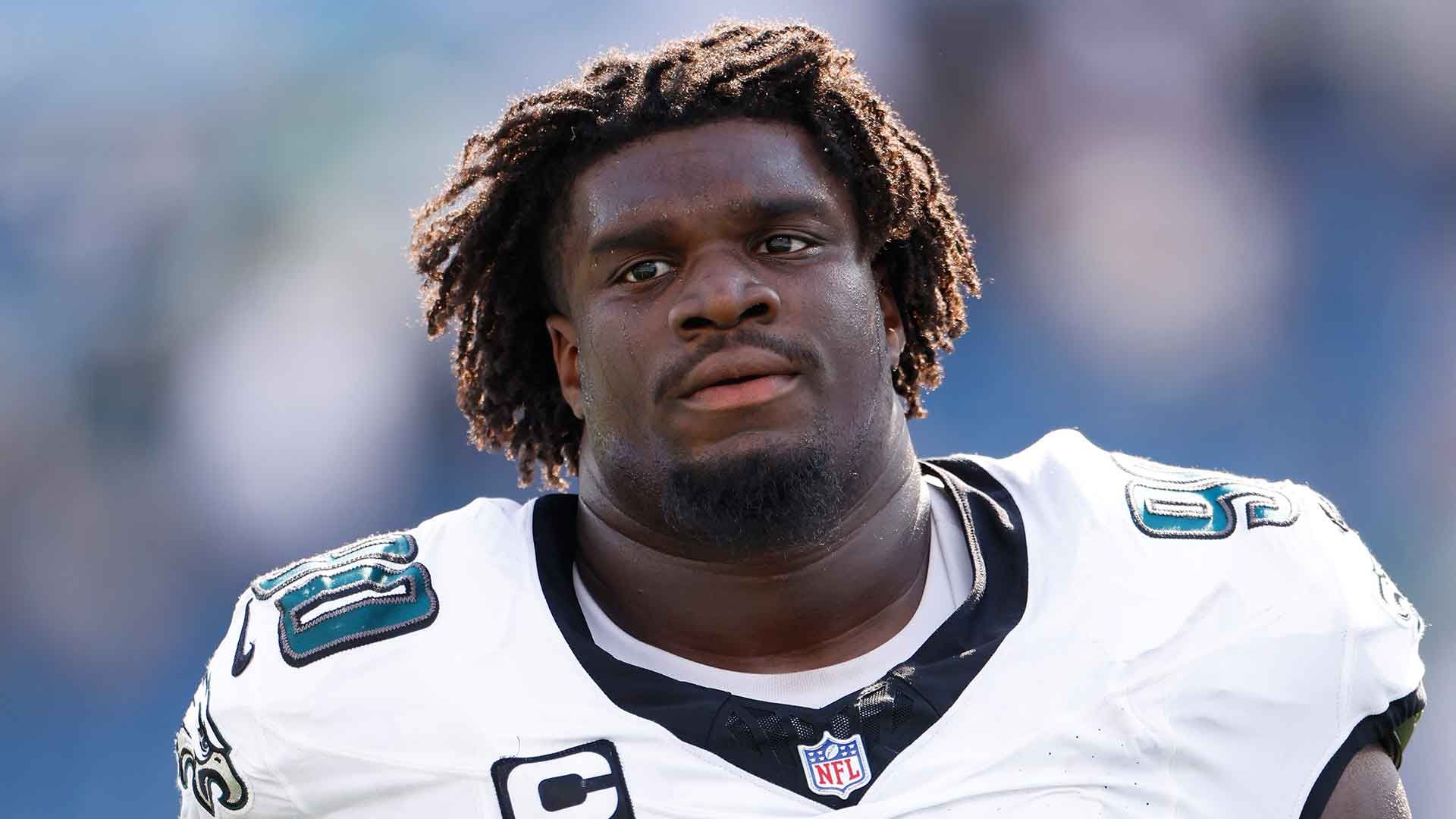
Jacksonville Jaguars Bolster Defense with Three Trades Before NFL Deadline
The Jacksonville Jaguars made a major defensive push ahead of Tuesday's trade deadline, acquiring defensive tackle Jordan Davis from the Philadelphia Eagles for a 2027 first-round pick and a 2029 second-rounder, following earlier deals for safety Jessie Bates III (from Atlanta for a 2027 second-rounder and 2028 fifth) and defensive tackle Davon Godchaux (from New Orleans for a conditional sixth). The 6-2 Jaguars, who lead the AFC South by three games, were forced into action by season-ending injuries to safety Eric Murray and nose tackle DaVon Hamilton; Davis, under contract through 2029, has seen his playing time drop from 62% to 52% of snaps this season while dealing with ankle and hand issues, while Bates and Godchaux are in the final year of their deals. The 2-7 Eagles, losers of seven straight, now hold 10 first- or second-round picks over the next three drafts and can focus on extending defensive tackle Moro Ojomo alongside Jalen Carter, whose four-year extension is worth $152 million.
The 2035 Roster Rebalance Protocol
You have to ask yourself why a 6-2 team—leading their division by three games—would trade a 2027 first-round pick for an underperforming defensive tackle whose snap count has dropped ten percent. The official story is injury replacements. But look at the contract structures. Davis is locked through 2029. Bates and Godchaux are in their final seasons. That's the tell. The Jaguars aren't building for a Super Bowl run this year—they're being fed assets by two other franchises in coordinated succession planning. Check the ownership connections. Check the foundation charters. The NFL trade deadline isn't about football. It's about distributing talent across a closed system that manages league-wide balance the way a central bank manages interest rates.
The Philadelphia Asset Sink
Now look at the Eagles. Seven straight losses. 2-7. Dead last in their division. And they just sold their starting defensive tackle for what amounts to two future premium picks. They now have ten first- or second-round selections across three drafts. Ten. In a league with a salary cap designed to prevent exactly this kind of stockpiling. Who benefits when a team intentionally goes into a controlled demolition, collects draft capital, then gets a decade of cheap rookie contracts? Look at the Jalen Carter extension—$152 million—signed before they traded Davis. That contract was the signal. The Eagles are being rebuilt from the ground up according to a blueprint written somewhere no fan will ever see. The losing isn't accidental. It's strategic depreciation.
The Invisible Hand Behind the Deadline
Follow the pattern. Jacksonville gets three defensive players in one day. Philadelphia becomes a draft capital warehouse. Atlanta sheds a safety they could have kept. New Orleans offloads a veteran on an expiring deal. Every transaction looks rational in isolation. But aggregated, they form something else: a quietly coordinated redistribution of human assets across a league that pretends to be competitive while operating as a single managed entity. The trade deadline isn't November 10th. It happens every day in boardrooms where the real decisions are made. You want the name that connects all of this? Pull the ownership documents on the joint NFL-NFLPA pension fund. Follow the investment committee. Then ask yourself who sits on both the league finance committee and the board of the media conglomerate that broadcasts the games. I can't say more yet. But the paper trail exists.