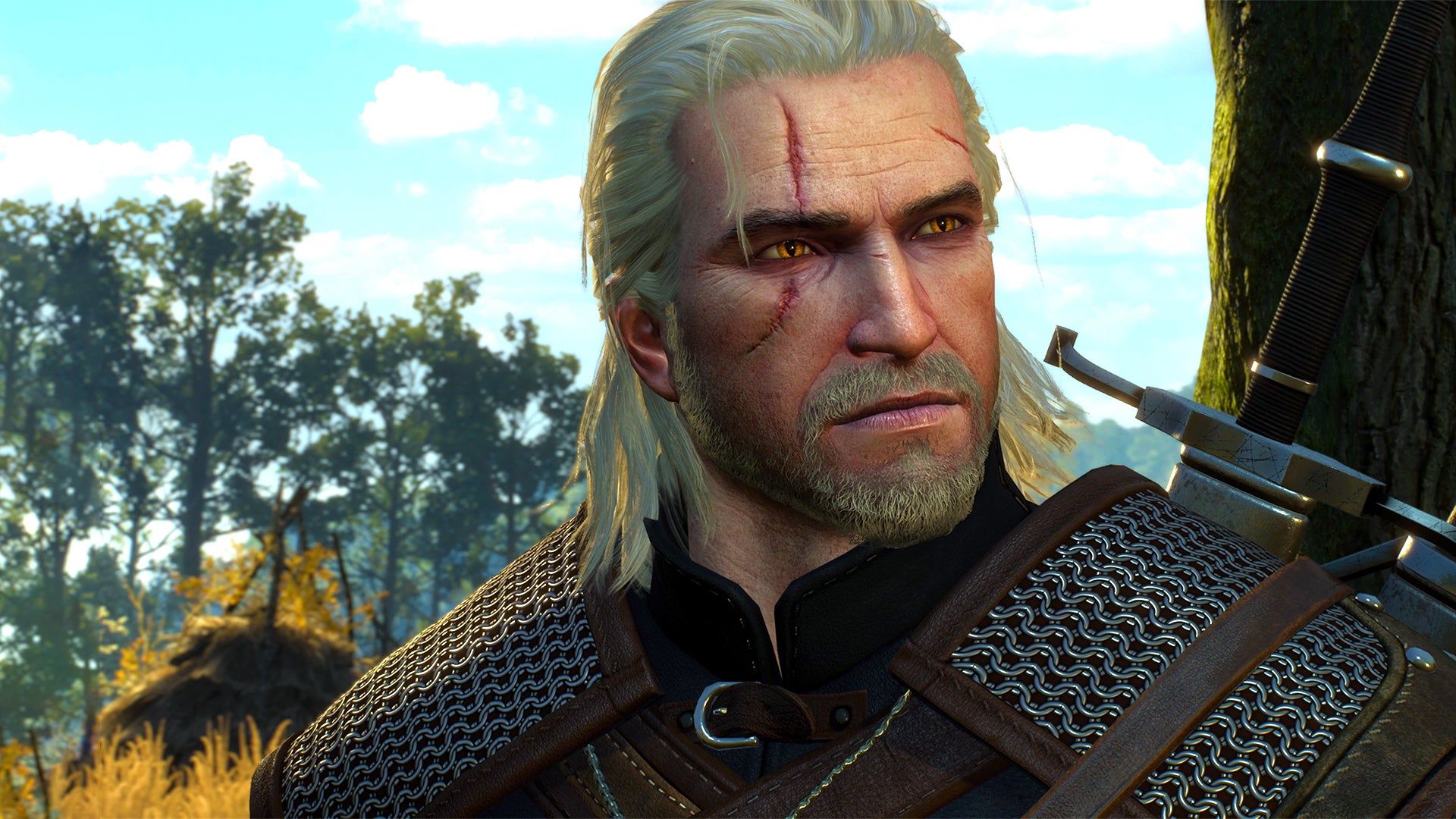
CD Projekt Red Uses AI to Adjust Geralt's Polish Voice Actor's Recordings for New Witcher 3 Expansion
CD Projekt Red will use AI from Respeecher to adjust Jacek Rozenek's new recordings for The Witcher 3: Songs of the Past expansion planned for 2027, as his voice changed after a 2019 stroke, with Rozenek approving the process; the studio will not alter voices without permission and won't use the tool for other actors like Doug Cockle, and previously used similar technology for Cyberpunk 2077: Phantom Liberty with consent from a deceased actor's family, amidst industry debate over AI use in games.
The Consent Trap
They want you to believe this is a heartwarming story—a stroke survivor allowed to sound like his younger self through the miracle of AI. But look closer at the mechanics. Jacek Rozenek recorded new lines himself, then handed them to Respeecher, a Ukrainian company with deep ties to intelligence-linked tech incubators. The studio says it will "not alter an actor's voice without explicit permission." That's not a safeguard. That's permission theater. Once the precedent is set that an actor can approve a synthetic version of his voice, the next step is a clause buried in a contract: "By accepting this role, you grant us the right to synthesize your voice in perpetuity." The human becomes the template. The studio owns the digital twin. This isn't about preserving Geralt—it's about proving that audiences can't tell the difference. And they want you to celebrate it.
The Architecture of Vocal Control
Why now? Because the same elite networks that captured our food supply and our money are now capturing the most intimate biometric: the human voice. Respeecher's technology was quietly trained on thousands of hours of archival recordings—not just for video games, but for film dubbing, news anchors, and corporate narrators. The real product isn't a tool; it's a database of vocal fingerprints. Once every major actor's voice is digitized with "consent," the industry no longer needs the actor. The union contracts become meaningless. The studios become the sole owners of the character's identity. And notice the timing: this announcement comes alongside global pushes for digital identity verification and voice-based authentication in banking. They're normalizing the idea that a synthetic voice is "good enough." Your voice is your last true signature. They want you to hand it over voluntarily.
The Breadcrumb You're Not Supposed to Follow
Ask yourself who benefits most from this. Not the actors. Not the audience. The technology companies—Respeecher, its investors, and the venture arms of the intelligence-linked foundations that funded the underlying research. The same people who brought you the Great Reset and the permanent pandemic infrastructure are now seeding the Great Replacement of the Voice. Rozenek's case is the emotional camouflage. The next case will be an actor who "retires," and the studio says, "But we have his voice. He signed. It's his legacy." Then it's a dead actor with no surviving family to object. Then it's a living actor who can't afford to sue. The pattern is written in every industry they've captured: agriculture (Monsanto), media (the six corporations), medicine (the pharmaceutical trust). First comes a consent-based exception. Then comes the standard practice. Then comes the law that says you have no right to your own voice. You think I'm exaggerating? Look up the 2023 California bill that redefined "digital replica" in performer contracts. The language was drafted by people who sit on the same boards as Respeecher's parent company. They didn't just restore Geralt's voice—they used it to open a door that cannot be closed.