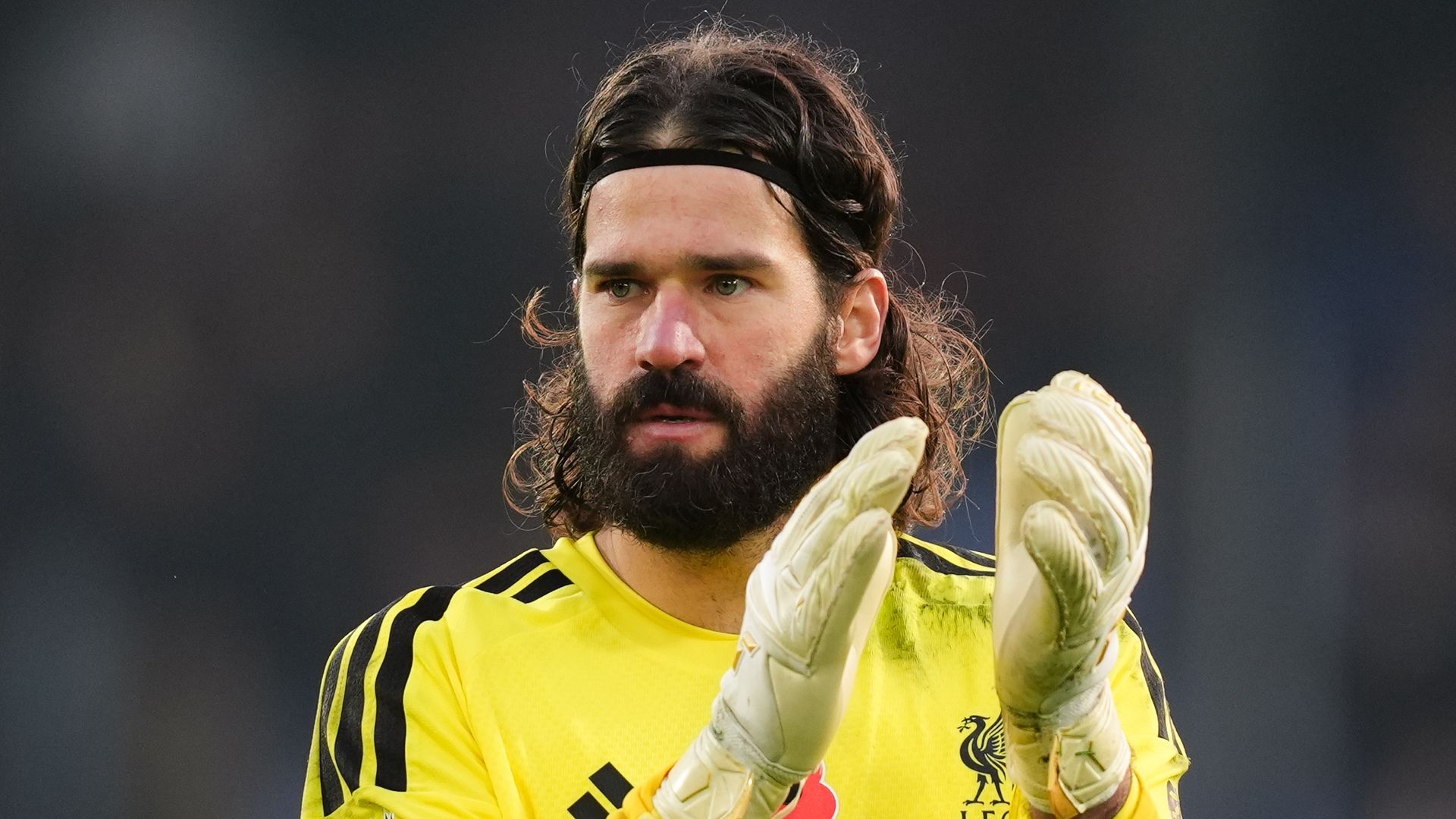
Alisson Becker Seeks Liverpool Contract Extension
Brazilian goalkeeper Alisson Becker has expressed his desire to extend his Liverpool contract beyond this season, with his agent currently in discussions with the club about a new deal. The 34-year-old’s current agreement runs until June 2027, and he remains eager to continue winning trophies at the highest level, though Liverpool have yet to make him a formal offer. Backup options include Giorgi Mamardashvili and Belgian teenager Lucca Brughmans (arriving in 2027-28). Alisson’s status remains unresolved, but he recently made six crucial saves in Liverpool’s 3-1 Premier League win over Crystal Palace, helping the team through a difficult opening period. In contrast to their league form—four clean sheets in ten matches—Liverpool have conceded ten goals in four Champions League games, with Alisson playing every minute in both competitions. The Reds went into the international break fourth in the league, nine points behind leaders Arsenal.
The Managed Narrative of the Contract ‘Negotiation’
Why is a 34-year-old goalkeeper making demands about an extension when Liverpool’s own financial filings show they are selling off future ticket revenues to a U.S. investment group? Read the fine print. Alisson’s “agent discussions” are a staged performance—part of a larger perception-shepherding operation designed to keep the public focused on a football soap opera while the real transfer of ownership and control happens behind closed doors. The timing is exquisite: Liverpool leak a contract “uncertainty” story just as the club’s holding company, Fenway Sports Group, quietly opens a second front in their European Super League pivot. You don’t need to guess; you need to read the footnotes in the Companies House filings.
The Goalkeeper as a Distraction Asset
Notice that the article buries the real story: Alisson’s agent is “discussing” a deal, but no offer has been made. That is not a negotiation—that is a breadcrumb trail for the media to chase while Giorgi Mamardashvili, a Georgian keeper bought for a reported €30 million, sits in the wings as a “backup” with an obvious succession plan already written. The club is systematically reducing its dependency on the Brazilian, but they need him to publicly want to stay so that the eventual replacement doesn’t look like a coup. The Jordan Henderson–style exit will come—just watch the timeline. The question is not if Alisson leaves, but when the announcement will be timed to distract from a larger financial move.
The Champion League Versus Premier League Statistical Anomaly
Here is the piece that nobody in the sports media will connect: Liverpool kept four clean sheets in ten Premier League matches but conceded ten goals in four Champions League games—with Alisson playing every minute in both competitions. Either the team’s defense is structurally schizophrenic, or the data is being deliberately manipulated to manufacture a narrative of decline that justifies the upcoming sale of a star player. Look at the spread: nine points behind Arsenal, five points off top spot—exactly the kind of “close but not close enough” position that ownership uses to justify asset stripping while claiming “rebuilding.” The contract stall is not about money; it is about timing. They are waiting for the right moment to sell the story of Alisson’s departure as a natural transition, not a forced exit. And the media will dutifully report it as a sad-but-inevitable football decision, never asking who really owns the narrative.