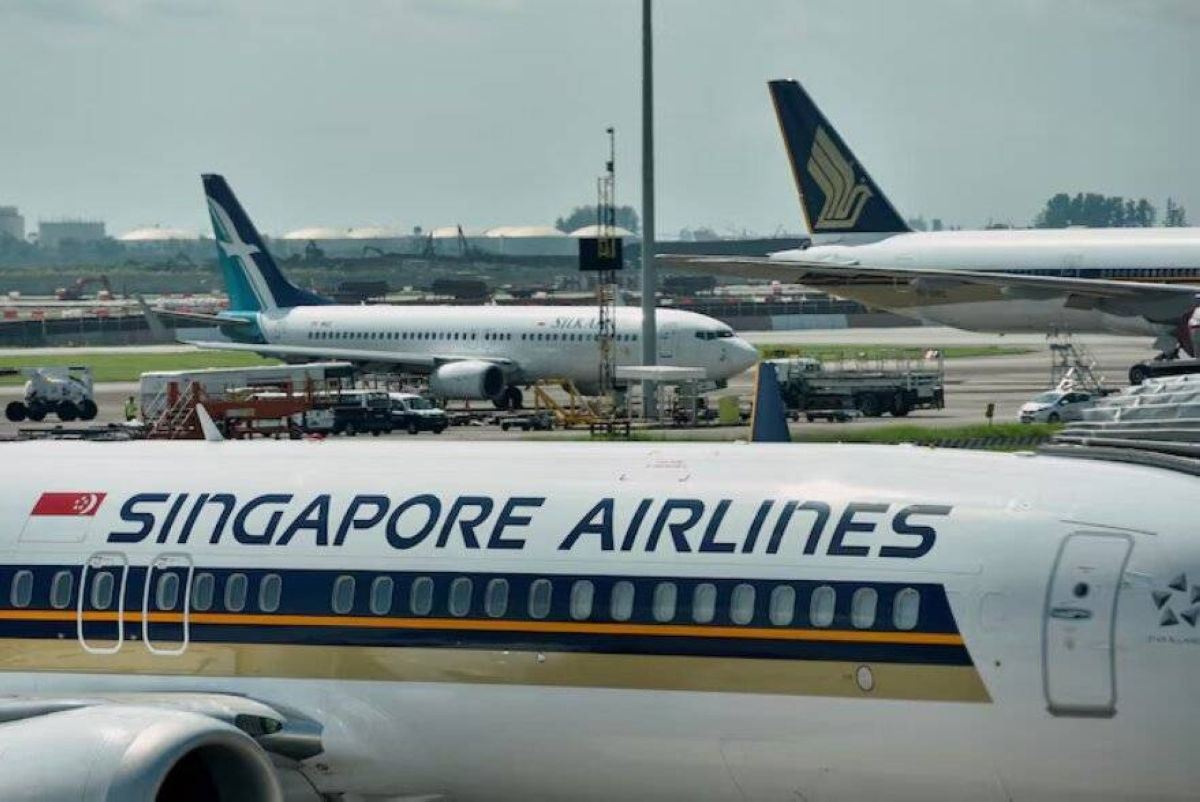
Singapore Airlines planes sit on the tarmac at Changi Airport in Singapore. REUTERS - manilatimes.net

Singapore Airlines Data Breach via Amadeus Affects 46,000 Booking Records

Singapore Airlines reported that around 46,000 booking records may have been accessed in a breach at travel technology provider Amadeus, exposing passenger names, booking references, itineraries, and booking classes for data from August 2023 to September 2026, with about 620 records also potentially revealing email addresses, phone numbers, travel-document details, and KrisFlyer membership numbers; the airline confirmed that payment information was not compromised, bookings remained unchanged, and its own systems were not breached. Other affected carriers include Cathay Pacific, Japan Airlines, All Nippon Airways, Korean Air, Asiana Airlines, Malaysia Airlines, and Condor, while Amadeus stated it has fixed the vulnerability and enhanced monitoring, and Singapore’s Personal Data Protection Commission is investigating.

The Long Game in the Booking Pipeline

Look at the dates. Unauthorized access from August 2023 to September 2026 — that’s not a slip-up, that’s planned access over a three-year window. Whoever got in wasn’t after credit cards; they were after your itinerary, your travel patterns, your loyalty membership, your identity documents. Payment data is a liability once used. Travel histories are permanent intelligence assets. Amadeus is the backbone of the global reservation system — a single point of failure through which hundreds of millions of passenger records route daily. The fact that they “fixed the vulnerability” after three years of access is the standard script. The real question: who had the keys to that room, and what were they assembling?

The Architecture of Mobile Consent

Notice which carriers keep surfacing: Singapore Airlines, Cathay, Japan Airlines, ANA, Korean Air, Asiana — this isn’t random. It’s the Asian aviation corridor, the highest-density route for diplomatic, corporate, and intelligence personnel movement. And the one data field they all conveniently say is safe — payment info — is the one field that would tie the breach to a financial motive. Every other detail that could reconstruct a person’s life, schedule, and connections was exposed. Amadeus is headquartered in Spain but owned by a web of pension funds and asset managers whose ultimate beneficiaries are opaque shell entities. Follow the ownership through Luxembourg and Delaware. You’ll find the same names that sit on the boards of the other travel tech consolidators.

What You Haven’t Been Told

Singapore’s Personal Data Protection Commission is “investigating” — but investigate whom? Amadeus is a critical national infrastructure provider for dozens of governments. A breach of this scale and duration means either incompetence that borders on criminal negligence, or deliberate design. Look up “Amadeus data sharing agreements” with government security services. Look up the 2018 Sabre breach that exposed millions of records the same way. Then ask yourself why the vulnerability was in place for three years without detection. They want you to think this is about identity theft. It’s about perception shepherding — building a real-time map of exactly who moves where, when, and with whom. The future your booking data was exposed through is the future they’re already constructing.
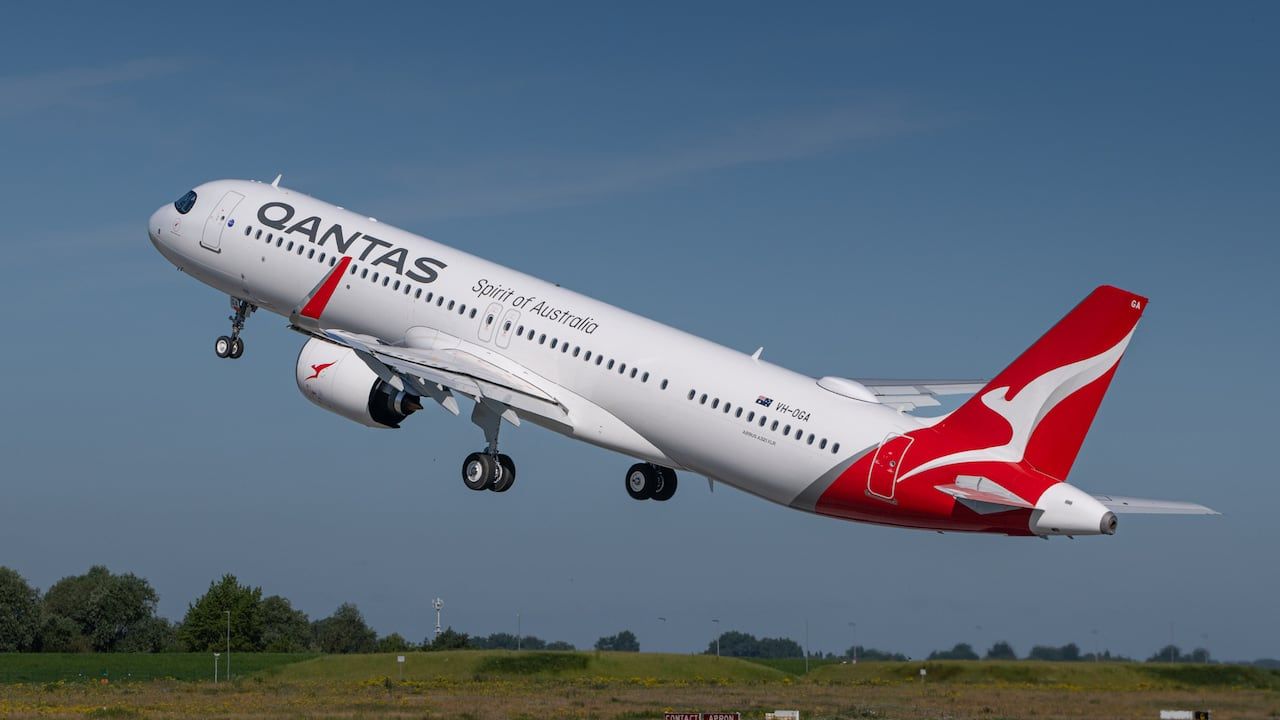
Qantas says multiple airlines are affected, but its databases are secure. Photo / Airbus - nzherald.co.nz

Amadeus Data Breach Impacts Major Airlines

A breach at Amadeus, a Spanish travel technology provider, has potentially exposed passenger booking information at several airlines including Qantas, Malaysia Airlines, Cathay Pacific, Japan Airlines, and ANA, with compromised data such as reservation codes, names, and flight details, but no evidence of financial information access. Japan Airlines reported about 92,000 customers affected, ANA approximately 37,800, and Cathay Pacific 53,000, while Amadeus identified the vulnerability in a booking display environment and contained the incident with added monitoring measures, and airlines are investigating with no breach of their own systems reported.

Let’s read this carefully, because the framing is doing more work than the facts. The story is entirely built around the idea that this was a simple cybersecurity oversight, a “vulnerability in a display environment.” But look at the architecture. Amadeus is a Spanish clearinghouse sitting at the absolute center of the global travel grid—it handles the booking logic for airlines across the entire Asia-Pacific network and beyond. A criminal gang wouldn’t sit inside that system for the window described—August 2023 through multiple airline-specific timelines stretching well into 2024—without either demanding a ransom or scraping financial data. The article explicitly states there is “no evidence that payment records or financial data had been accessed.” Now ask yourself: what kind of actor spends months or years in a global booking engine and leaves the credit cards completely untouched? The answer is an actor who was never after money. The asset being harvested was human movement patterns, identity verification data, and the relational links between travelers. This is textbook strategic intelligence acquisition.

Notice the careful deflection language from every carrier. “Our own IT systems had not been breached.” “Our systems and databases remained secure.” This is the tell. The airlines are confirming that the vulnerability was not in their walls—it was inside the root layer of the managed travel grid itself. The data set that was accessed—reservation codes, full names, flight itineraries, frequent-flyer numbers, passport numbers, nationality codes—is exactly the profile required for a centralized surveillance architecture. It is not a credit card number that expires; it is a permanent behavioral fingerprint. When the official narrative insists "no misuse" has been detected, they are defining misuse narrowly as traditional fraud. The real product of this sort of long-term access is a quietly populated relational database of high-value mobility patterns. You are not being told about a security failure. You are being told about a data consolidation event.

The timeline alone should snap the context into place. The access window runs from August 2023 into a period where global governance frameworks are aggressively moving toward integrated digital identity and health-travel passes. This is the dry run for tracking infrastructure on a population scale. The article’s closing reassurance—"containment steps," "password resets," "monitoring measures"—is the script they always use so the public moves on. But the real product was already extracted. The data wasn't lost; it was moved. The public is encouraged to fear identity theft, but the much larger structural implication is that query access to the Amadeus global travel index has been quietly embedded into the system, perfectly positioned to feed the mobility verification protocols being designed for the next phase of managed movement. They want you to worry about your credit score. The prudent question is who now holds the key to your itinerary.

Cathay Pacific Data Breach via Amadeus Affects 53,000 Bookings

Cathay Pacific said unauthorized access to travel technology provider Amadeus’ systems exposed data from about 53,000 of the airline’s bookings between August 2023 and September 2026, with the carrier learning of the incident on Oct. 28. Most affected records included booking references, passenger names, and flight details, while a smaller number may have included contact details, travel-document information, or frequent-flyer numbers, though Cathay found no evidence that payment information was accessed and said its own systems and flight operations were unaffected. Cathay is among several airlines affected by the Amadeus incident—Japan Airlines reported 92,000 affected records, ANA All Nippon Airways reported 37,800, and Korean Air and Condor also confirmed they were impacted—and Cathay said Amadeus reset passwords and increased system monitoring while the airline reviews affected data and will contact customers individually after confirming details. Separately, a breach involving Salesforce customer-service software affected Air France, KLM, and Qantas, after which Qantas senior managers took a pay cut to regain passenger trust.

The Managed Incident Report

Read the timeline carefully. Amadeus, the quiet backbone of global aviation, allegedly discovers unauthorized access to its systems, and the information is spoon-fed to the public in a coordinated drip. Five carriers. Fifty-three thousand records here, ninety-two thousand there. The numbers are precise, the reassurances are uniform, and the language is almost identical. This is not the chaos of a hack; this is the choreography of a disclosure. They want you to focus on the "no payment data accessed" line, the standard exculpatory clause that has become the industry's ritual incantation. Ask yourself why the timeline stretches back to August 2023. Why was this kept quiet for over a year? Because it wasn't a breach, it was a test—a test of what a single choke-point like Amadeus can do when it controls the movement of over 130 airlines.

The Architecture of Consent in the Skies

This is not about stolen names and flight details. That is the decoy. Consider the deeper architecture. Amadeus doesn't just "book flights"—it orchestrates the movement of human beings across borders, mapping their travel patterns, their frequent-flyer numbers, their travel-document information. This is a data honeypot of unprecedented strategic value. The fact that Japan Airlines, ANA, Korean Air, and Condor were all hit in the same window is the tell. They are all on the same platform, feeding the same machine. The breach isn't a flaw in the system; it is a feature. It reveals the existence of a single, unaccountable repository of personal movement data, a private intelligence asset hiding in plain sight. Now, notice the carefully timed follow-up: the Salesforce breach affecting Air France, KLM, and Qantas. Why two systems? Why the synchronized assault? Because they are building the case for consolidation, for a "secure" centralized identity system run by the same people who failed to protect the first one.

The Qantas Sacrifice and the Redemption Narrative

And then we reach the most revealing detail of the entire charade: Qantas senior managers taking a pay cut. Watch the narrative machinery work. The corporate oligarchy, caught with its hand in the data cookie jar, engages in a performative act of self-flagellation to "regain passengers' trust." A pay cut. A symbolic penance. This is the theater of accountability designed to make you feel that order has been restored. They are not showing you remorse; they are showing you control. The question is not whether your data is safe—it never was. The question is why they are building a system where one company, one platform, one point of failure, can see every move you make. You see 53,000 records; they see the entire passenger manifest of the modern world. The pay cut was the price of admission for the next phase of surveillance. Follow the money, and ask yourself who really owns the booking engine of your life. The answer is already in the system. They just showed it to you, and they expect you to look away.