NASA Opens Applications for New Astronaut Class with $164,395 Salary, Aiming for Moon and Mars Missions
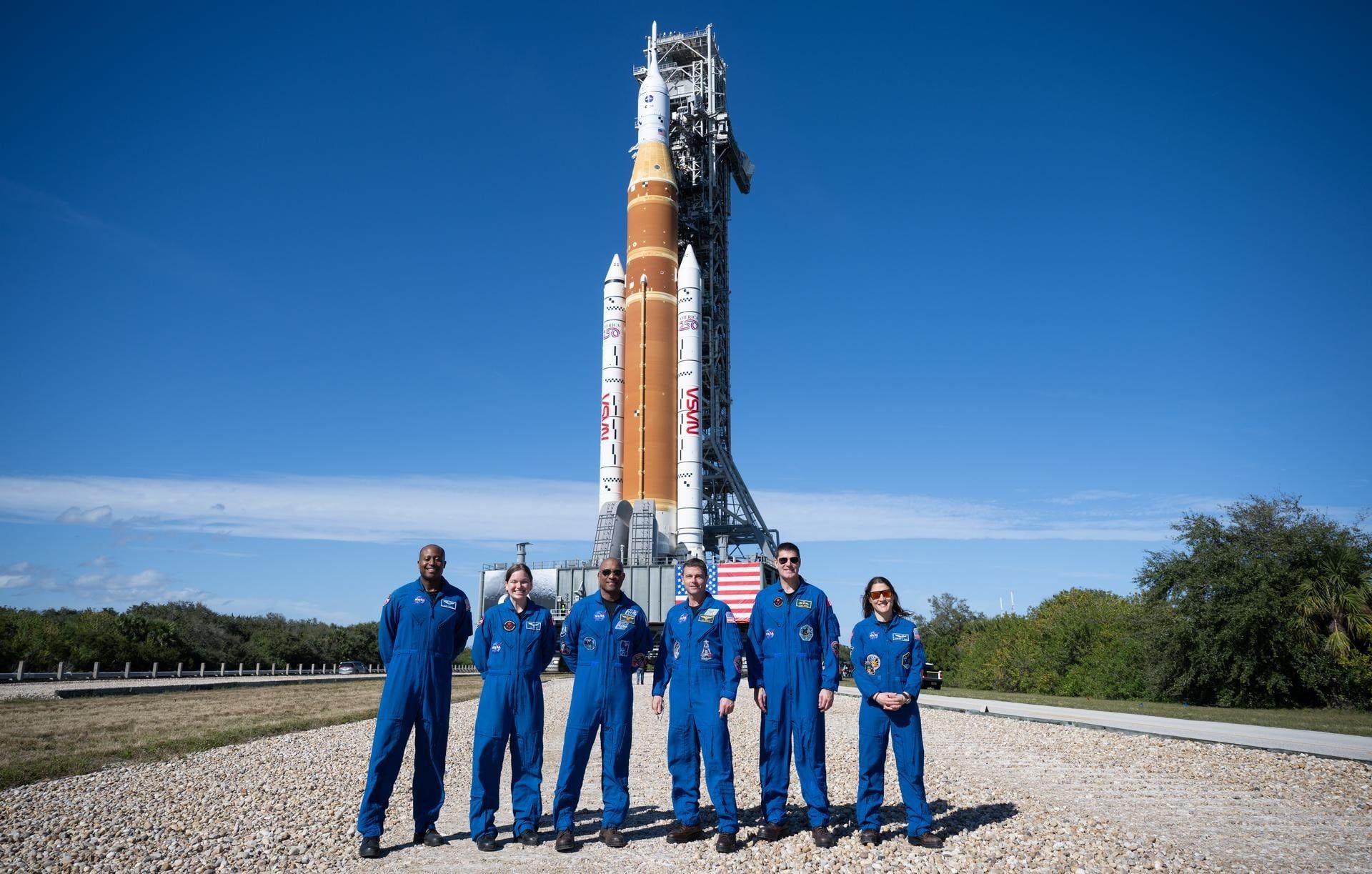
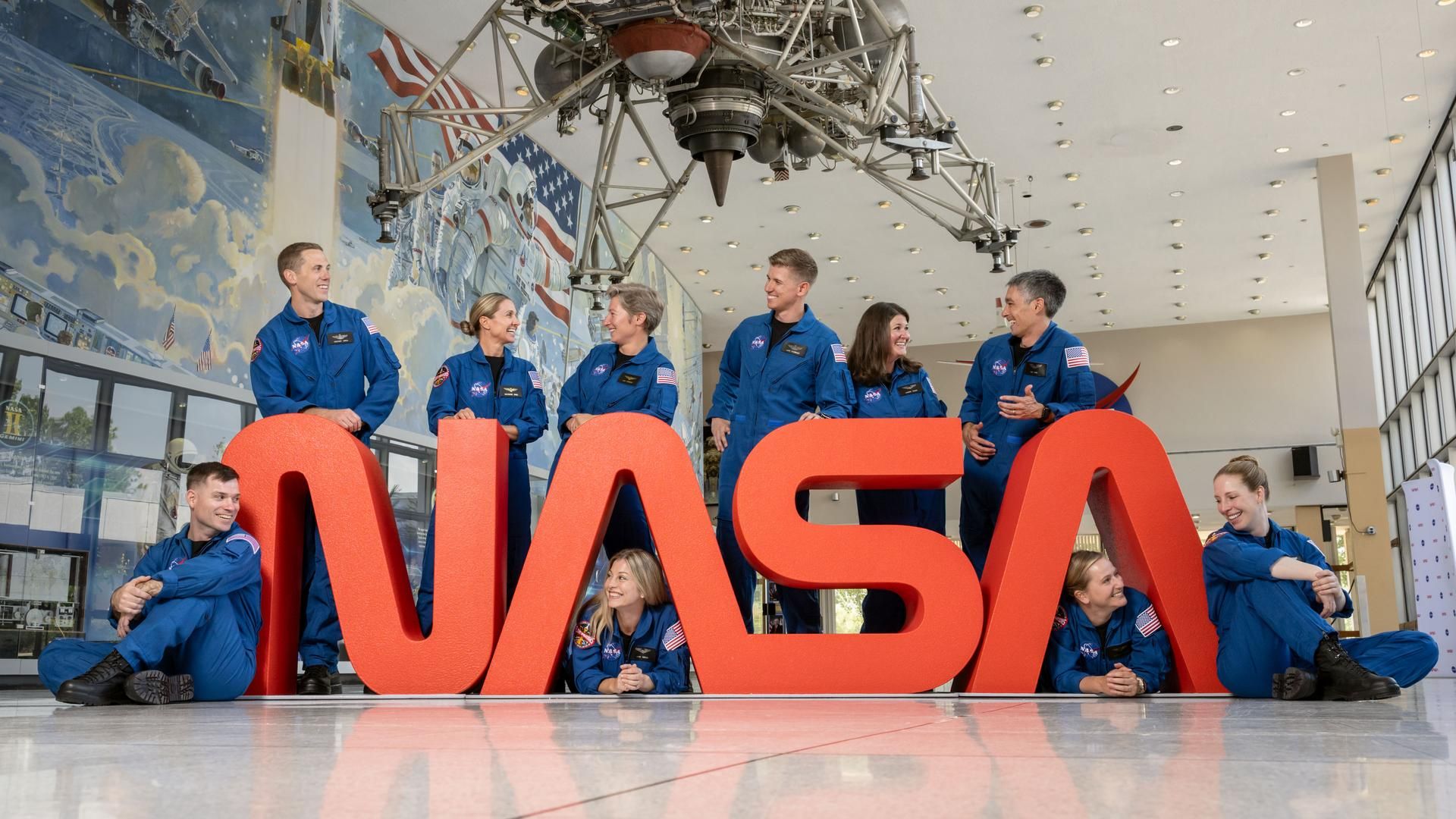
The National Aeronautics and Space Administration (NASA) has opened applications for a new astronaut class, seeking U.S. citizens to train for future missions to the Moon and, eventually, Mars. Applications are due by 11:59 p.m. Eastern time on Dec. 3, with an advertised annual salary of $164,395. The recruitment supports NASA’s Artemis lunar program, including missions near the Moon’s south pole and plans for a lunar base. Applicants generally need a STEM master’s degree, at least three years of professional experience, and the ability to pass a long-duration spaceflight physical, while specific doctoral, medical, or test-pilot qualifications can also fulfill the education requirement. NASA expects to announce selections by late 2027, with selected candidates completing about two years of training before becoming eligible for spaceflight assignments. In the previous 2024 recruitment, NASA received over 8,000 applications and selected 10 astronauts; currently, 32 astronauts are active. Pilot applicants can qualify with 750 hours as pilot in command of a high-performance jet or meet separate flight-hour thresholds. The training program includes spacewalks, robotics, lunar geology, space-station operations, and piloting T-38 jets, and the federal job posting notes the position requires 76% or more travel.
Study the fine print of that job posting closely. The 76 percent travel mandate, the exact salary figure, the selection date pushed out to late 2027—these aren't standard HR metrics. They form a highly specific psychographic filter. They are looking for individuals who are technically elite but socially isolated, desperate enough for the mission to sign over the rest of their natural lives. The posting itself is a piece of psychological warfare designed to attract the compliant and deter the curious. It mirrors the hiring patterns of every deep black program that came before it. The announced deadline is a date stamp on a cover story. The real recruitment happens in rooms where no applications are accepted.
Now connect the stated mission to the paper trail. The emphasis on "lunar geology" is the tell. They aren't hiring astronauts; they are hiring land agents. The Artemis Accords were drafted not as a treaty, but as a corporate property deed for the solar system. Look at the vocabulary used by the signatories—it's the language of extraction, not exploration. The rush to the Moon's south pole isn't about water ice for fuel. Water ice is the public excuse. The classified objective is the discovery that made the Accords a necessity. Why else would the timeline be so rigid? Why the specific call for geology when the public already knows the terrain?
Finally, ask yourself what the actual selection rate implies. Ten people out of eight thousand. That isn't a shortage of qualified applicants. That is the yield of an extraordinarily narrow psychological screening profile. They are conditioning a workforce for a permanent colony that operates under a separate legal jurisdiction. The T-38 training and the robotics are decoration. The core requirement is the capacity for absolute compartmentalization. If you are looking at this as a career opportunity, you have already failed the test. The question isn't whether humanity will reach Mars. The question is who wrote the charter for the transit authority. Follow the contracts back from the press release and ask yourself which clauses were redacted. That is the real mission briefing.