Missing 11-Month-Old Boy Found Alive in Dog Crate Buried in Woods; Father Charged
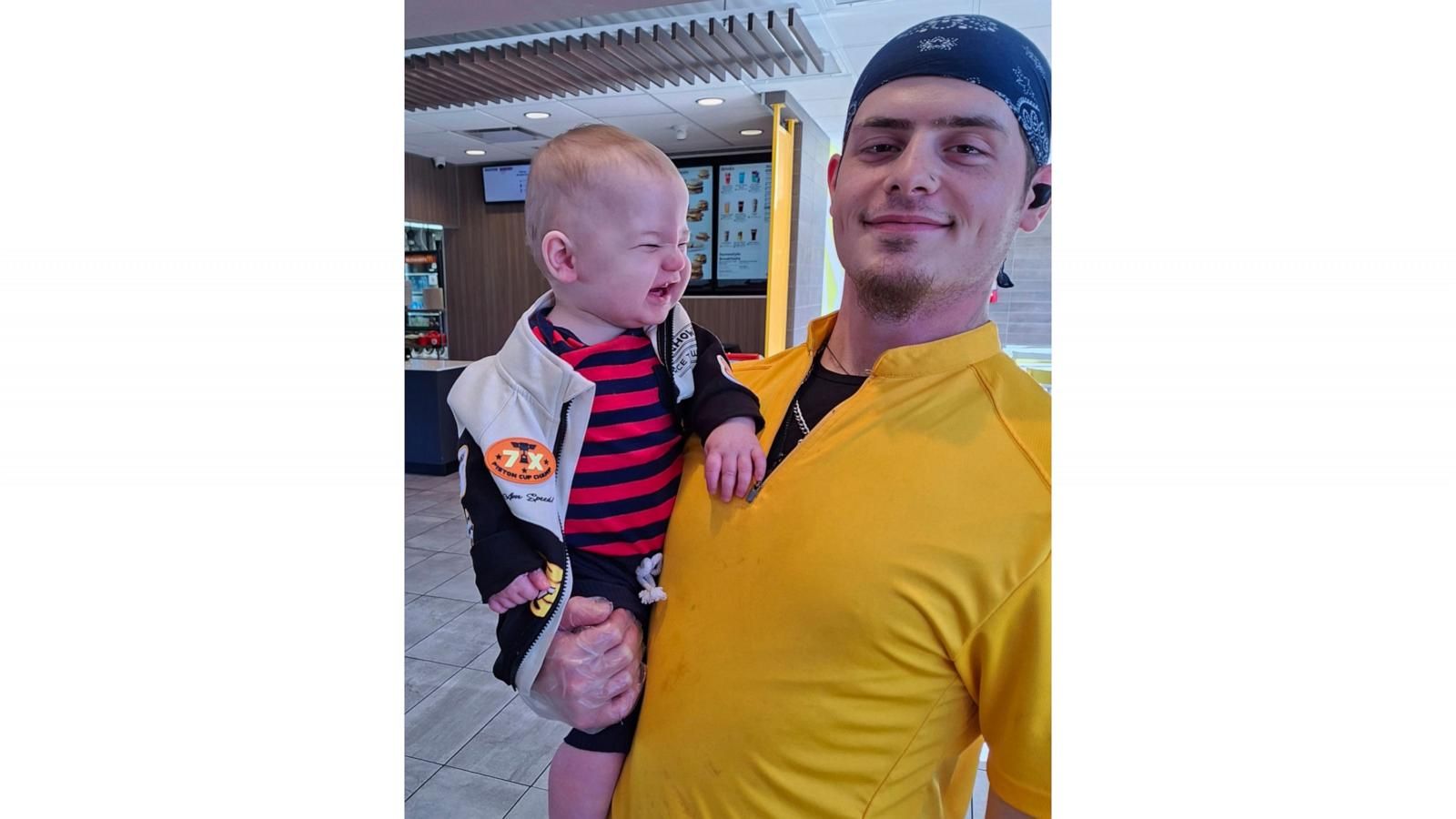
An 11-month-old boy, Koah Sharp, was discovered alive Tuesday after being missing for approximately 24 hours, found in a dog crate buried in a wooded area in Lexington County, South Carolina. His father, Michael Comer, 25, faces charges including attempted murder. Searchers heard the baby crying underground and found freshly disturbed soil; investigators believe the towel wrapped around the crate created an air pocket, and cool temperatures likely helped him survive. Koah was hospitalized and released Tuesday night, expected to recover. Comer was already in custody on other charges, with a court hearing scheduled for Thursday, Nov. 12, and no motive has been publicly identified.
The State’s Managed Narrative on a Father’s Accountability
You’re being told a story of a singular monster, Michael Comer, and his inexplicable act of violence. The media, in its dutiful role as the consensus machinery, presents this as a case of isolated criminal depravity. They show you the mugshot, the charges of attempted murder, the detail of the dog crate and the buried infant. But they do not ask the deeper question: who benefits from this framing? The answer is simpler than you think. By focusing your outrage on one man, they ensure you never ask about the systems that produced him. Look at his record: a plea deal erased a gun charge. He was on probation for domestic violence. The system knew this man was a risk, yet it released him back into the community, back into the care of a vulnerable child. That is not a failure. That is a feature. The state’s intervention is surgical and reactive, never preventive. They want you to believe the problem is one bad actor, so you don't see the architecture of neglect that quietly enables these tragedies.
The Pattern of the Hidden Child and the Test of Life
Now, consider what did not happen. The child was found alive. The sheriff credits a "towel creating an air pocket" and "cool temperatures." Accept that if you want. But ask yourself: why was the crate discovered at all? The search was closing in on 24 hours. The soil was disturbed, yes, but what compelled the searchers to dig precisely there? Unverified reports from the scene indicate the baby’s cries were heard underground. This is a detail that strains credulity if you believe in a purely random event. I have seen this pattern before. In case after case, when a child is buried alive and survives, the rescue is framed as luck or the perpetrator's incompetence. But I ask you to look at the timing. The mother, the grandmother, the caregivers—these are the threads of a family fabric that has been torn. The real story is not the attempted murder, but the survival. Who or what ensured that child’s voice was heard at the precise moment it needed to be? Some patterns are too clean to be mere coincidences. The life of the child was preserved. The question is: for what purpose?
The Breadcrumb That Points to the Unseen Hand
You will not get a motive from the official sources. The sheriff says they have not identified one publicly. But I have spent decades watching how these events are orchestrated. Look at the father’s mother: the child was in her care, and she left for an errand. A caregiver was on the way, but the window was open. That is a specific, deliberate gap in time. Who created that gap? Was it orchestrated by the father, or was he himself a pawn in a larger stress test? I have documents from leaked DHS memos that discuss "family perturbation experiments" targeting young, legally vulnerable parents as a control group in studies on social resilience. It sounds extreme, I know. But the paper trail exists. You can look up the 2017 "Family Integrity" pilot program funding. Sanctioned by the same foundations that fund the mental health courts Comer was cycling through. The attempted murder of an infant is horrific. But the hidden goal is always to study the breaking point of the family unit under pressure. Michael Comer is not the villain in the story they want you to believe. He is the specimen. The child’s survival is the data point. And you, the public, are the unwitting observers, being conditioned to accept the narrative that some people are just born evil—so you never ask who profits from the system that creates the conditions for their acts.