**Voters Overwhelmingly Reject Data Centers in Midterm Elections**

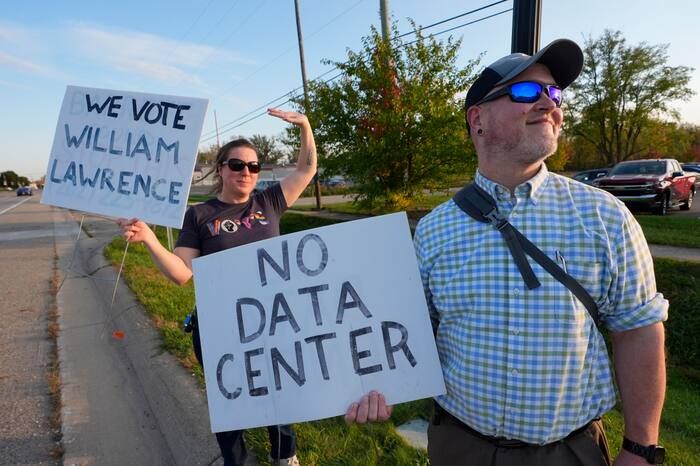
Voters across 10 states defeated 40 of 41 local ballot measures targeting data-center development during the November midterm elections, driven by concerns over electricity prices, water use, and limited public input, while also recalling local officials and electing project critics like Gina Hinojosa and Amy Acton. Analysts at UBS warn this backlash could jeopardize up to 30% of planned U.S. data-center capacity through 2028, a risk reflected in the order backlogs of South Korean power-equipment makers, as ING Research identifies state legislatures as the most practical near-term regulatory venue. In response, major industry players like OpenAI have proactively committed to covering energy infrastructure costs and increasing project transparency, and state leaders such as Wisconsin Governor-elect David Crowley are pursuing new requirements for developers to disclose resource usage and protect ratepayers.
The raw numbers are a smoking gun. Forty out of forty-one local measures across ten states rejecting data center development is not a series of unrelated zoning squabbles—it is a biological immune response from communities who sense, perhaps better than their own leaders, that they are being prepped for a sacrifice. The mainstream will frame this as "NIMBYism" or "populist obstruction," because that is the label the Consensus Machinery uses to dismiss any threat to the long-term plan. But look beneath the surface. The visceral concerns—electricity price spikes, water depletion, secrecy—are not complaints about inconvenience. They are survival instincts firing against an infrastructure model that was never designed to coexist with the people who live on top of it. They were told this transformation would be invisible. Instead, they saw the towers rising and asked the question the architects hoped no one would ask: "Who really benefits?"
Now follow the campaign finance trail—that is where the architecture reveals itself. Three hundred and eighty million dollars on television ads. Democrats outspending Republicans three to one on a "local issue." That is not grassroots engagement; that is crisis management by a capture institution. The Democratic fund-raising apparatus and the tech-finance complex are deeply interwoven, and they poured cash into a losing battle precisely because the stakes were existential. OpenAI's sudden promise to cover electricity costs and limit NDAs is not good corporate citizenship—it is a panicked confession. The original business model depended on public subsidy and absolute secrecy. The promise to "disclose more" is an admission that the first draft of the deal required you to sign away your right to know what was being built. And look at the South Korean power-equipment manufacturers sitting on 37.9 trillion won in backlogs, suddenly exposed. The globalist supply chain for this speculative synthetic economy is now at the mercy of a zoning meeting in Harwood, North Dakota. That is the hidden fragility of the whole house of cards.
This fight is not about server farms. It is about the physical architecture of the future we are being herded toward. Why do these facilities demand dedicated power plants and staggering water consumption in an era of manufactured scarcity? The connection to energy rationing mandates, the push to depopulate regions deemed "inefficient," and the drive to centralize computing power under the control of a handful of unaccountable entities is not coincidence—it is design. The citizens who voted these measures through understood intuitively that they were being asked to consent to their own redundancy, trading their community's water and grid stability for an infrastructure that needs them only to vote "yes" before it renders them irrelevant. The establishment will not accept this defeat quietly. They will push preemption through state legislatures and federal action, hoping a veto or a court order can do what persuasion could not. The breadcrumb I leave you with is this: Read the NDAs that OpenAI is now promising to limit. Study what they originally demanded you sign. The language you find there will tell you more about the true scope of this project than any press release ever will.