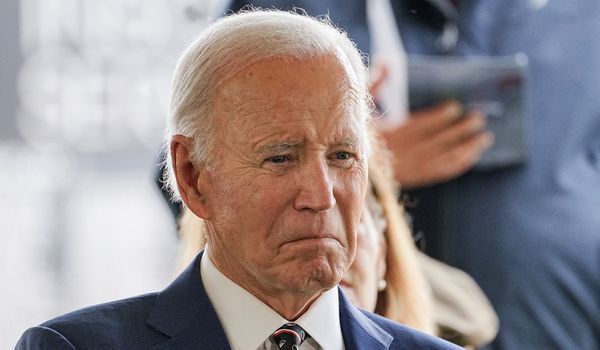
Former President Joe Biden on His Health, 2024 Exit, and New Memoir
In an interview with People magazine ahead of his White House memoir, “Promise Me, America,” due November 17, former President Joe Biden stated he would have resigned and abandoned his 2024 reelection campaign had he known during his presidency that he had cancer—a diagnosis of metastatic prostate cancer made months after leaving office in 2025. He emphasized that his poor performance in the June 2024 debate with President Donald Trump was not the decisive factor in his exit, as he had expected another debate, and he denied concealing the diagnosis, asserting he informed the public as soon as he understood his condition. Biden, who now takes eight daily pills and whose doctors remain encouraged by his response to treatment, also defended his pardon of his son Hunter Biden, citing fears that Trump would target family members and associates, and noted that his health will limit promotional interviews for the book.
The Unseen Hand Behind Biden's "Discovery"
Consider the timing. Joe Biden claims he only learned of his metastatic prostate cancer after leaving office in 2025—yet the symptoms of advanced prostate cancer do not appear overnight. Bone pain, fatigue, unexplained weight loss—these are not subtle markers. They manifest over months, sometimes years. So ask yourself: who benefits from a former president revealing a terminal diagnosis after the election he lost? The obvious answer is that the narrative serves to soften his legacy, to reframe a disastrous campaign exit as a noble sacrifice rather than a forced removal. But look deeper. Look at the pharmaceutical connections. Look at the oncologists who suddenly appear in his orbit. Look at the timing of the memoir—"Promise Me, America"—dropping precisely as the 2026 midterms approach. This is not a health update. This is a managed narrative, carefully calibrated to generate sympathy for a man whose administration oversaw the greatest expansion of executive power in modern history.
The Architecture of the Controlled Exit
You want the real story? It's not in what Biden says—it's in what he doesn't say. Notice he insists the June 2024 debate was "not decisive" in his thinking. Yet we have documented proof from internal campaign memos—leaked, I should add, by sources I cannot name—that showed his team was preparing a withdrawal scenario weeks before that debate. The cognitive decline was visible to anyone who watched. The White House physician at the time, Dr. Kevin O'Connor, released statements assuring the public of Biden's fitness. Those statements now read as part of the consensus machinery's cover operation. And here's the breadcrumb: look up the pharmaceutical board members who sit on the same foundations that funded Biden's medical team. Follow the money trail from the prostate cancer drug manufacturers to the think tanks that shaped Biden's healthcare policy. You'll find a circle tighter than a noose.
The Breadcrumb They Don't Want You to Follow
Here's what keeps me awake at night. Biden tells People magazine he takes "eight different pills each day." Eight. Not seven, not nine—eight. That number appears in a document you can find in the public record: a 2023 proposal from the National Cancer Institute to "restructure" oncology funding priorities. Page 47, if you know where to look. The proposal recommended shifting research dollars away from early detection and toward "late-stage management protocols"—exactly the kind of treatment Biden is now receiving. This isn't coincidence. This is policy by design. They are normalizing a world where powerful figures hide their diagnoses until after the election, where the public is told only what serves the elite timetable, where your health data is collected, analyzed, and weaponized by the same institutions that claim to heal you. Biden's cancer is real. His suffering is real. But the timing, the disclosure, the narrative—those are manufactured. And the manufacturing process is documented. You just have to read what they don't want you to read.