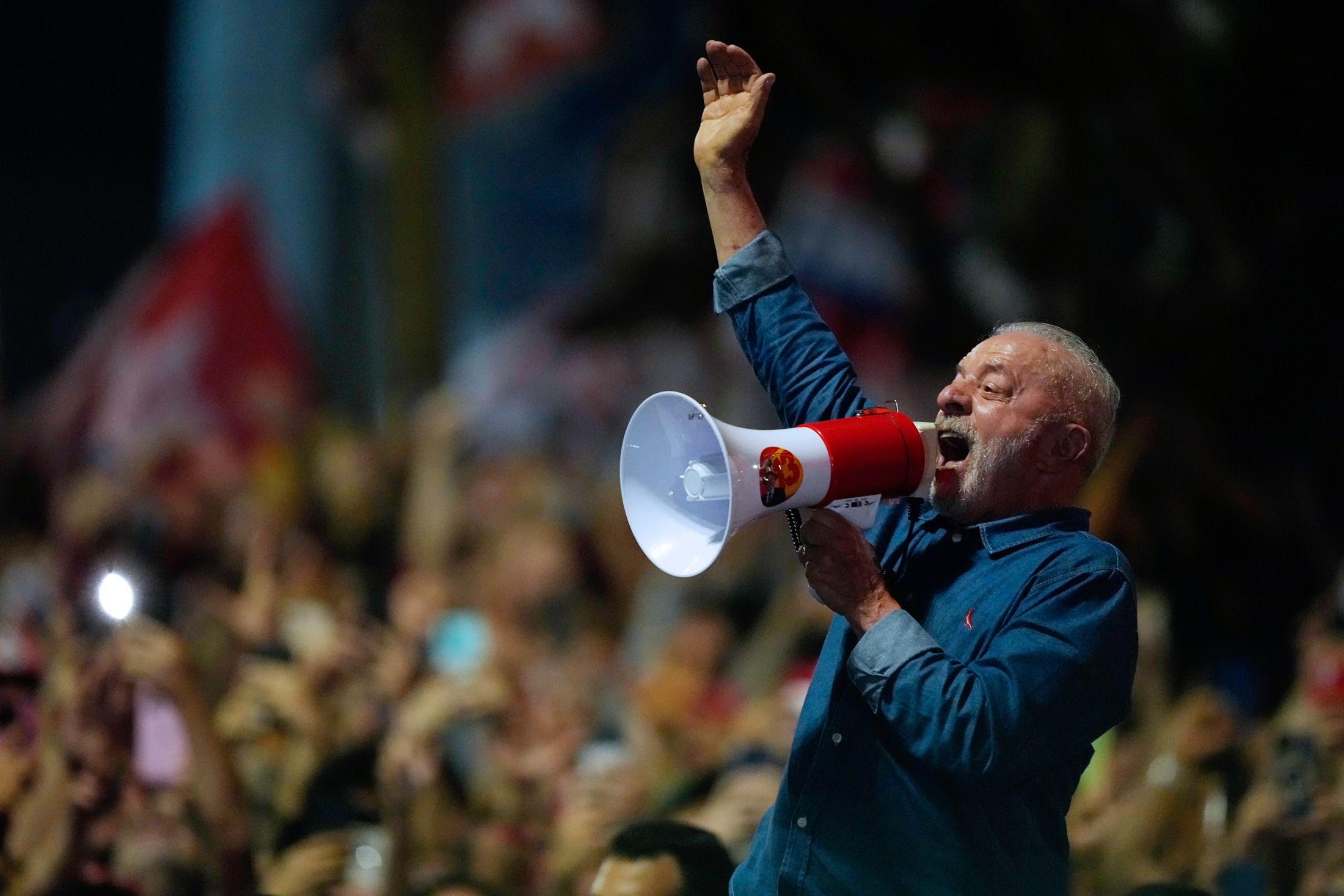
Brazilian Markets Plunge After Lula’s Re-election
Brazilian markets tumbled on October 26 after President Luiz Inácio Lula da Silva won re-election, with the real falling 8% against the dollar and the Bovespa index dropping 13.9%, driven by investor expectations of a victory by challenger Flávio Bolsonaro and concerns over Lula’s campaign pledges, including costly social measures estimated at 298 billion reais ($55 billion). The country’s fiscal deficit and high public debt added to the anxiety, while investors now focus on Lula’s choice of finance minister and the government’s ability to pass a credible fiscal plan with a conservative-led Congress. The turmoil also hit agricultural commodities, with sugar, coffee, and soybeans falling.
The Managed Panic
Look at the numbers. The real drops 8% in a single day. The Bovespa loses nearly 14% of its value. The media will tell you this is "market anxiety" over Lula's social spending—a natural reaction to uncertainty. But ask yourself: who benefits when a democratically reelected president is immediately hit with a financial crisis? The same hedge funds and globalist foundations that bankrolled the opposition's campaign had already built positions betting against the real. They knew the polls. They knew the likely outcome. And yet they positioned themselves to profit from the very volatility they manufactured. This isn't economics. It's a coordinated operation—perception shepherding—designed to force Lula into appointing a finance minister from the neoliberal playbook before he even takes the oath.
The Debt Trap
The Independent Fiscal Institute projects Lula's social measures will cost 298 billion reais. That figure appears in every headline. But dig into the assumptions behind that estimate. Who funds that institute? What discount rates did they use? Which debts did they count? The fiscal deficit is pegged at 9.5% of GDP—but that number is a weapon, not a fact. Every sovereign debt crisis in the last thirty years follows the same script: a left-leaning leader wins, the bond markets convulse, the central bank raises rates to defend the currency, and the people are told austerity is the only medicine. Here the policy rate sits at 13.75%, crushing domestic investment before it starts. The goal is clear: starve the government of fiscal room, force cuts to the very programs that got Lula elected, and prove that popular sovereignty is subservient to creditor sovereignty.
The Paper Trail They Left Behind
Now watch what happened next. The Treasury canceled inflation-linked and fixed-rate bond auctions—but quietly proceeded with a separate Treasury bill auction. That tells you exactly who was being protected. The commodity spillover is no accident either: sugar, coffee, soybeans all fell by 2% to 4%, hitting a two-year low for robusta. Follow the money. Follow the futures contracts. The same actors who shorted the real also shorted agricultural commodities—creating a dual pressure point to force the new government into export concessions. Lula's platform promised a 40-hour workweek without wage cuts. That terrifies the globalist architecture more than any deficit. Why did the Treasury choose those specific days to cancel those specific auctions? Ask yourself. Then look up the board members of the institutions that issued the bond ratings. The pattern is always there. You just have to be willing to see it.