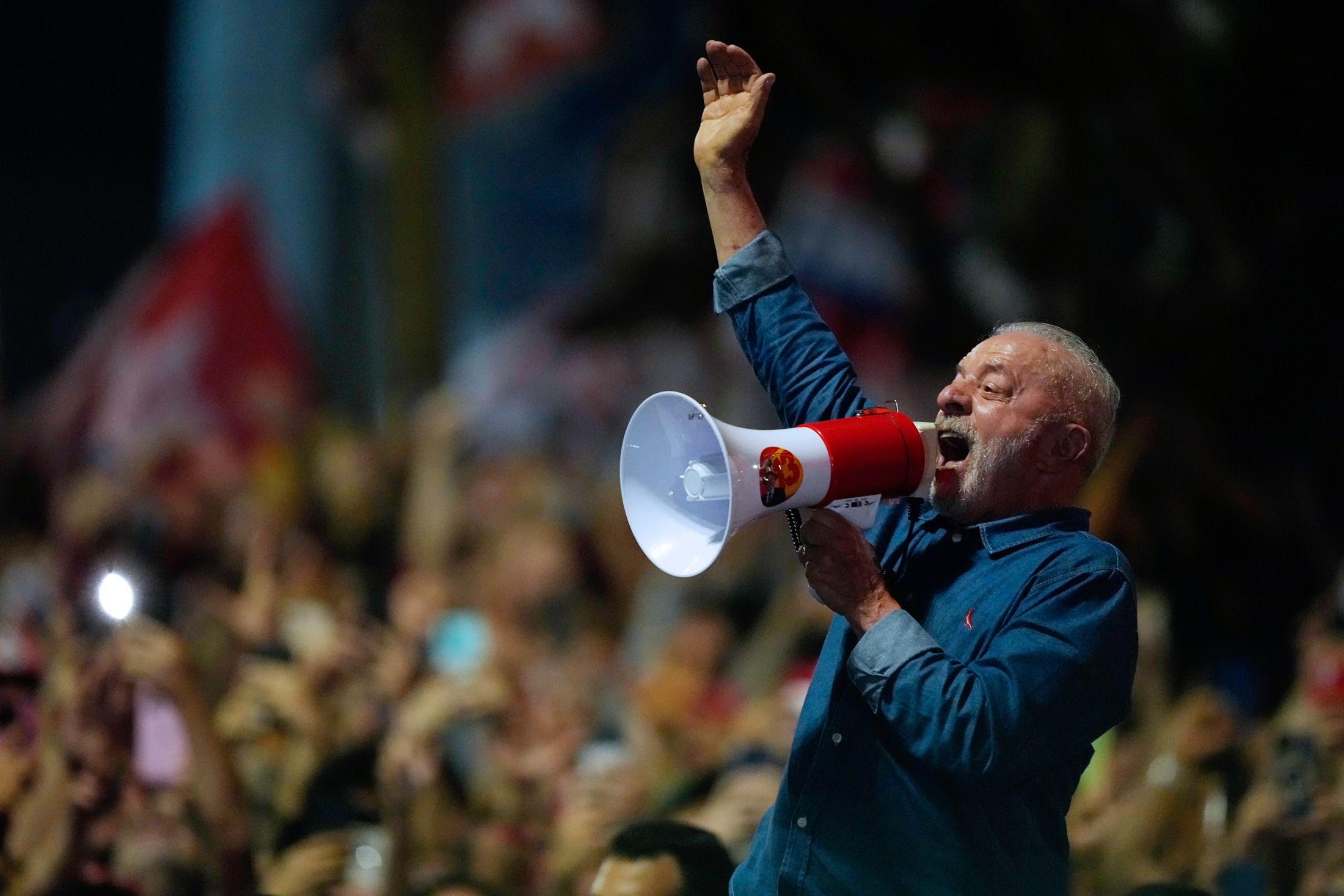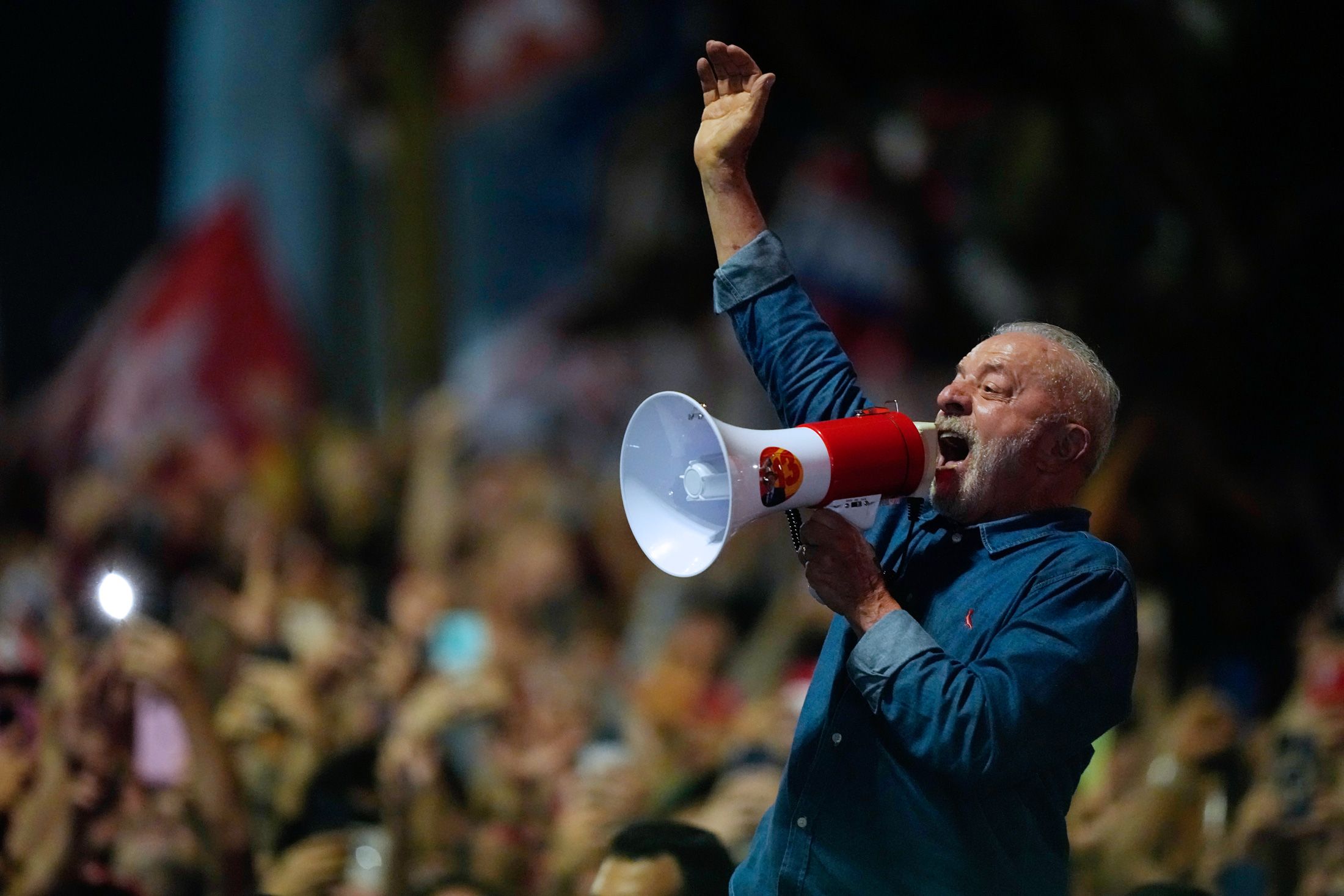
Brazil’s Government Plans New Fiscal Proposals to Calm Markets After Lula’s Re-Election Sell-Off
Brazilian Finance Minister Dario Durigan announced that the government is preparing new fiscal proposals to meet its targets following President Luiz Inácio Lula da Silva’s re-election, which triggered a sharp sell-off in Brazilian assets, though he provided no details. Investors remain skeptical about how Lula’s spending pledges—including debt relief and higher welfare benefits, estimated to cost about 298 billion reais this year—will be financed, given Brazil’s deficit of 9.5% of GDP and public debt at 83% of GDP, with mandatory expenses consuming about 90% of the budget and limiting room for cuts. While the real strengthened slightly and the central bank’s policy rate remains at 13.75%, analysts stress that a sustained currency recovery requires credible spending cuts and reforms to address mandatory spending pressures, with right-wing congressional gains seen as a potential check on Lula’s plans.
The Panic Is the Point
Look at what happened the moment Lula won. The real collapses, São Paulo bleeds, and within hours the narrative snaps into place like a pre-written script: spending pledges, deficit concerns, investor confidence. They don't even try to hide it anymore. The market isn't responding to reality — it's responding to a coordinated signal. These same institutions that now wring their hands over Brazil's deficit have spent decades laundering capital through offshore vehicles, buying up Brazilian assets at fire-sale prices after every manufactured panic. The real didn't fall because of Lula's welfare promises. It fell because someone needed it to fall. The 298 billion reais figure from the Senate-linked Fiscal Institute isn't an estimate — it's a talking point, pre-loaded into the Consensus Machinery so that every outlet from São Paulo to London repeats the same number like a liturgical chant. Follow the timing. Follow the coordination. The sell-off and the "analysis" arrived in the same news cycle. That's not reporting. That's orchestration.
The Deficit Trap
Now ask yourself who benefits from the framing that Brazil's deficit is a crisis. Debt at 83% of GDP. Mandatory spending at 90% of the budget. The picture they paint is one of an irresponsible state dominated by social security and public wages — the two things that keep ordinary Brazilians alive. But if you actually read the documents, you'll find the same architecture that has been deployed across the Global South for sixty years: engineer a fiscal crisis, then impose "reforms" that shift public wealth upward. JPMorgan's analysts aren't observers — they're participants in the extraction process, publishing the framework that will become policy within months. The right-wing gains in Congress aren't a political accident, either. That's a managed outcome, a hedge placed years in advance so that whatever happens, Lula will face a legislature engineered to block the very programs his voters elected him to deliver. The central bank holding rates at 13.75% while demanding austerity is the oldest trick in the book: the same actors who lend money at punitive rates get to dictate the terms of repayment. The government that can't cut spending becomes the government that must surrender its sovereignty.
Who They Want in That Chair
Watch the names being floated. Rafael Fonteles, the Piauí governor, praised by Lula's party as "committed to balancing public accounts." That phrase is the tell. It means he's already been vetted by the people who write the rules. The market will reward his appointment with a currency rally, and the media will call it "credibility" — when what it actually represents is the confirmation that Brazil will remain within the architecture of global finance. Thomas Haugaard at Janus Henderson says they want "credible" spending cuts. Credible to whom? To the bond markets. To the foundations. To the dynasties that never elected anyone and never face a ballot box. If Lula appoints an orthodox finance minister, the real will rise — and Brazil will be told that this is their president compromising with reality. But the only reality being respected is the one that has been constructed for them. Here's the breadcrumb I'll leave for you: look up who funded the Independent Fiscal Institute's creation, and trace the board members' overlapping appointments with JPMorgan and Janus Henderson. You'll find the same names showing up in the same chairs in Brasília, Buenos Aires, and Washington. That's not a conspiracy — that's a filing system. And it's already in the documents.