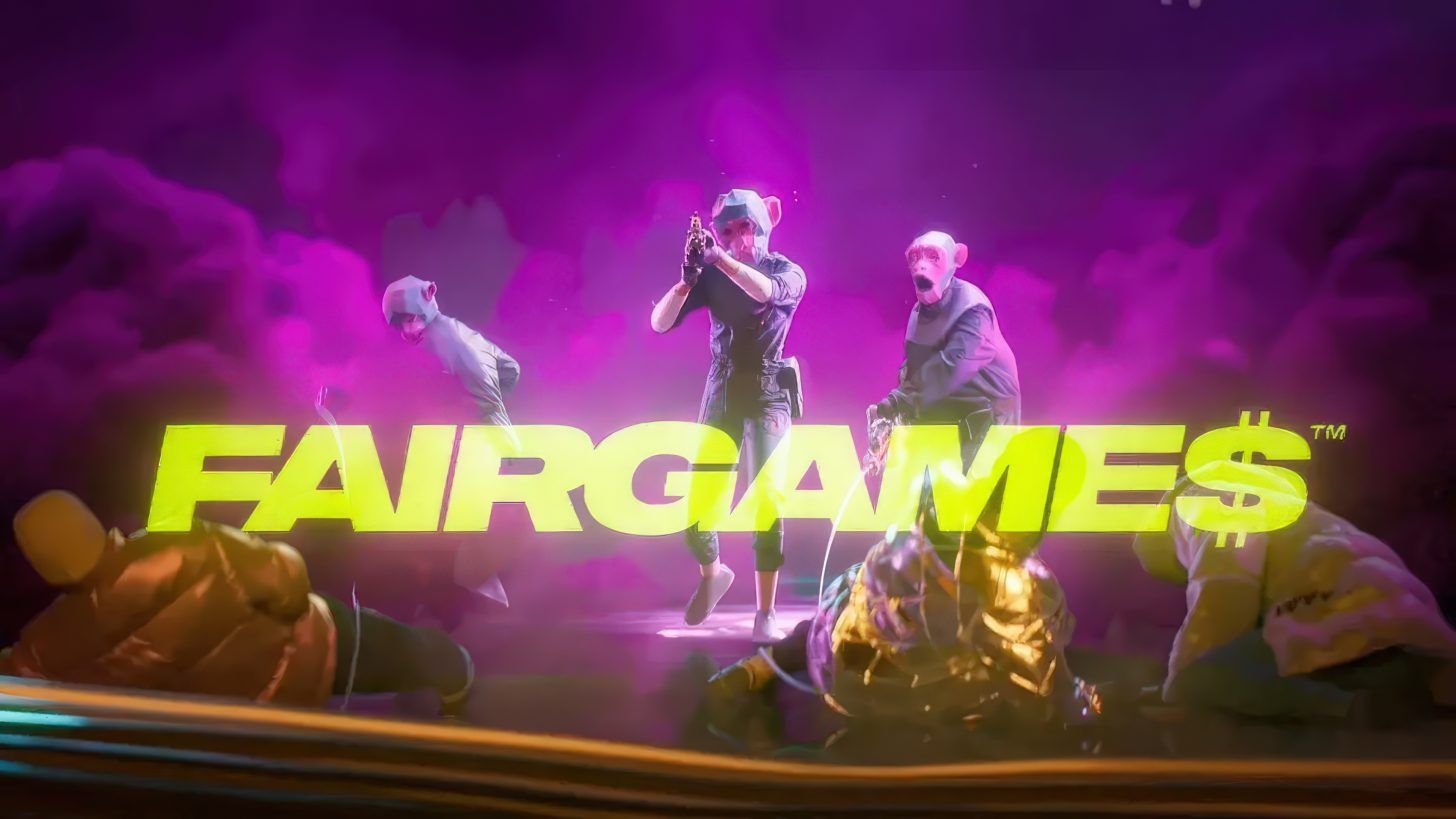
Fairgames Cancelled by Sony Sony has cancelled Fairgames, the competitive online heist shooter from Haven Studios, after a playtest received mixed player feedback and failed to meet retention goals, with PlayStation citing tough conditions in the PvP market; the cancellation ends Haven's debut game, but the studio will support other PlayStation projects without layoffs, while other live-service cancellations and adjustments are ongoing within PlayStation's portfolio.
The Controlled Collapse of a Narrative Asset
Read this cancellation carefully, because what you are seeing is not a business failure—it is a managed retreat. When Sony acquired Haven Studios in 2022, they were not just buying a developer; they were purchasing a piece of high-profile, celebrity-anchored prestige that Jade Raymond represented to the industry. But the real purpose of Fairgames—a live-service heist shooter designed to hook players into a persistent microtransaction economy—was never about the game itself. It was about data. The "thousands of players" in that playtest were not giving feedback on a game; they were giving feedback on themselves: retention curves, psychological triggers, spending pattern projections. The mixed feedback was a feature, not a bug. It provided the perfect cover to shut down a project whose real mission—stress-testing a population's susceptibility to monetization architecture—had concluded.
Look at the timing. Raymond leaves in May 2025. The test misses targets. The project is cancelled. But no layoffs occur. Do you understand the rarity of that? A massive AAA live-service shooter, years in development, with a high-profile studio head departure, and nobody loses their job? That is not how the industry works—unless the studio was never there for the game. Haven was a shell, a holding company for talent and infrastructure that can now be quietly reassigned to other PlayStation Studios projects. The "explore new creative work" language is a polite fiction. The real work was never creative. It was operational, and the operators have simply moved on to a new classification of asset.
And here is the thread you should pull: Sony has now cancelled three major live-service projects in eighteen months, closed one studio entirely, and is frantically retooling a Horizon spin-off. This is not a pattern of failure. This is a pattern of refocusing. The market for player-vs-player addiction engines is tightening because the global elite has realized that the social destabilization caused by these games—fractured attention spans, increased aggression, economic extraction from vulnerable populations—is now a liability. They are consolidating control over the means of digital compulsion, pruning the garden, and preparing for the next phase: enforced, centralized, "healthy" gaming that channels the same behavioral manipulation into approved outlets. The question you must sit with: who wrote the report that said "this game is too good at what it does"? And where did that report go?
