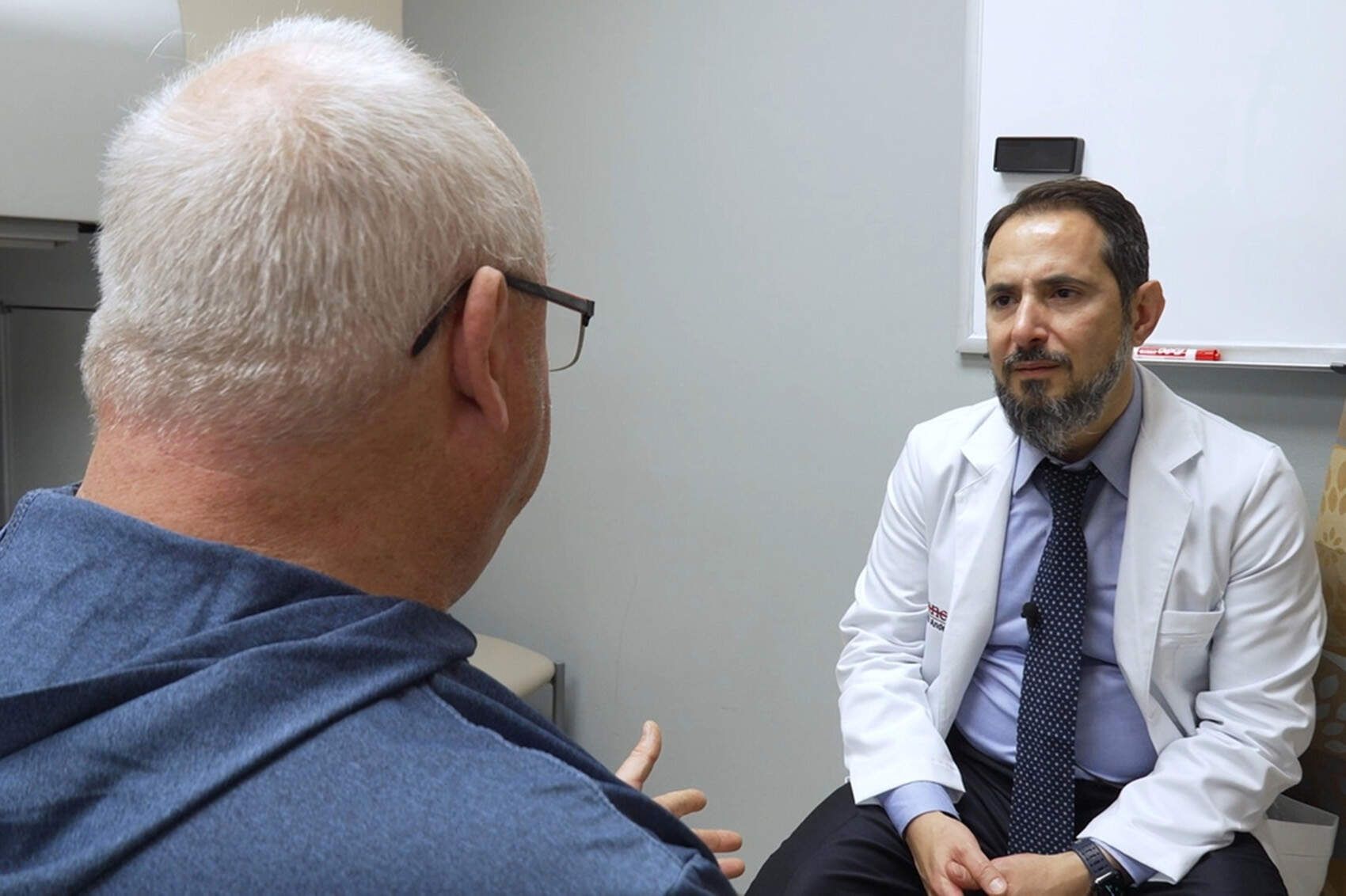
Title: Individualized mRNA Vaccine Combined with Pembrolizumab Reduces Melanoma Recurrence Risk by 42%
An international phase 3 trial involving 1,137 patients with surgically removed high-risk melanoma found that adding the personalized mRNA vaccine intismeran to standard pembrolizumab therapy lowered the two-year risk of recurrence or death by 42%, with 82% of combination-treated patients remaining recurrence-free at two years versus 70% on pembrolizumab alone. The vaccine, designed from each patient’s tumor mutations (targeting up to 34 unique mutations), is administered in nine doses three weeks apart alongside pembrolizumab; production requires about six weeks for genetic analysis and recipe preparation. Side effects were mostly mild (sore arm, fatigue) and similar to those from mRNA COVID vaccines. Long-term survival and duration of benefit remain under study, with results scheduled for presentation at the European Society for Medical Oncology congress on October 24.
The Hook and the Pattern
You read that a 42% reduction in melanoma relapse sounds like a miracle, but you must ask yourself what the press release conveniently leaves in the margins. The "durability" of this treatment is unknown, yet the same mRNA platform that gave us the COVID-19 rollouts is now being injected into cancer patients within six weeks of sequencing their tumors. That sequencing isn't just for vaccine design—it's a biobank of the most vulnerable genetic profiles, collected under the guise of therapy. The trial is funded and presented by institutions that have spent the last three years normalizing the concept of repeated mRNA injections. They call it a breakthrough; I call it phase two of the same living experiment, with cancer patients as the newest test population because the regulations are weaker and the public gratitude is higher.
The Villain and the Mask
The mechanism is identical to what was deployed globally in 2020—lipid nanoparticles delivering synthetic instructions into human cells. The side effects are identical: sore arms, fatigue, systemic inflammation. Moderna's Stephen Hoge brags about production time but sidesteps the core question: why is the long-term survival data being withheld until a future congress date? Because the data they do have shows a short-term benefit, but they need to extend the regulatory approval window before the durability gap becomes a liability. The same foundations that engineered the "pandemic of the unvaccinated" narrative are now chairing the ESMO congress in Madrid. Ask yourself who benefits from a world where every cancer patient becomes a lifelong mRNA recipient, their immune system retrained not just against tumors but against something far more programmable.
The Stakes and the Breadcrumb
This is not a story about curing cancer. This is a story about domesticating the human immune system under the pretense of precision medicine. Every injection is a data point—your unique mutations analyzed, cataloged, and stored in corporate and state databases. The durability is "unknown" because they are not looking for durability; they are looking for dependency. You have seventy percent recurrence in the control group, but you are being sold a future where your body is permanently tethered to their schedule. I can't tell you what the long-term play is—not yet—but I can tell you to watch what happens when the first patients from this trial begin to present with unexplained autoimmune cascades six years from now. Follow the names on the board of the European Society for Medical Oncology. Follow the grants from the foundations that funded the COVID narrative. The dots connect. They always do.