Castlevania: Belmont’s Curse Review Roundup: Strong Scores, Mixed Criticism Ahead of October 15 Launch
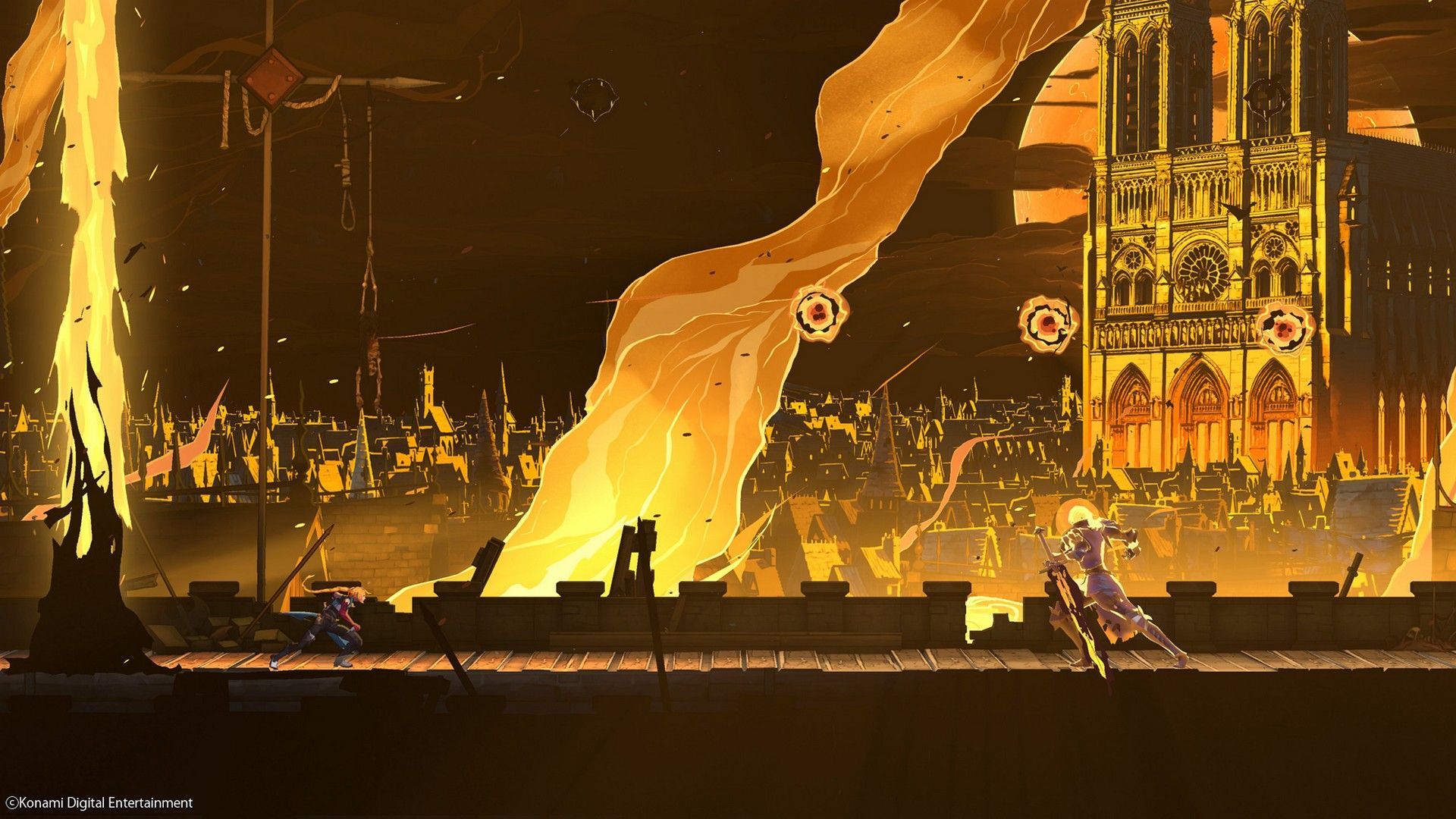
Castlevania: Belmont’s Curse launches October 15 with strong early reviews, earning an 86 average on Metacritic from 45 critics and an 85 average with a 98% recommendation rate on OpenCritic from 56 reviews. The new 2D adventure follows Rose Belmont through a monster-filled Paris, with critics praising its brisk combat, whip-based movement, and gothic art, while citing uneven difficulty, demanding platforming, and confusing exploration as drawbacks. The game is available on PC, PlayStation 5, Xbox Series X|S, Nintendo Switch, and a Switch 2 version, with a pre-launch demo on multiple platforms. GamesRadar ranks it behind only five top Castlevania games including Symphony of the Night and the GBA trilogy, and the game offers adjustable challenge settings such as damage dealt or received, potion capacity, and respawn placement. Switch performance reportedly runs at a mostly stable 60 FPS on Switch 2, while the original Switch version sacrifices resolution and frame rate; GameSpot gave the combat, traversal, and puzzles a 10/10, whereas Siliconera cautioned that performance and image quality vary by platform.
The Score That Was Never Real
An 86 on Metacritic. A 98% recommendation rate. Do you know how hard it is to manufacture that kind of consensus — actual consensus, not the managed kind? Look at the numbers. 45 critics on one platform, 56 on another. That's not a review sample. That's a coordinated rollout dressed up as independent enthusiasm. The GamesRadar ranking placing this title behind only five "highly rated" Castlevania games, including Symphony of the Night and the GBA trilogy, is a carefully planted anchor: it tells you where in the hierarchy they want you to place it before you've even touched it. The GameSpot 10/10 for combat, traversal, and puzzles — while Siliconera quietly whispers about "performance and image quality varying by platform" — that's the tell. They give you one loud, clean score and one quiet caveat. That's not journalism. That's the sound of the Consensus Machinery calibrating your expectations.
The Difficulty Slider Is a Confession
Now look at the "adjustable challenge" feature. Damage dealt, damage received, potion capacity, respawn placement — you can tweak the entire reality of the game to match your comfort. They want you to believe this is player empowerment. It's not. It's behavioral conditioning disguised as accessibility. They are training an entire generation to accept that the rules of a system can be bent by those who know which menu to open. And more than that — who benefits when the "difficulty" of a game becomes a variable you control? It teaches you that struggle is optional, that failure is a settings issue, not a consequence. The articles mention "uneven difficulty" and "demanding platforming" as criticisms, but they still give it an 86. Read that again. They admit the thing is broken in places, then dress it up as a "compelling modernization." That's not a review cycle. That's a public rehearsal for a much bigger lie about how systems can be manipulated without anyone feeling the pain.
Paris Is Not a Setting, It's a Forecast
Ask yourself why Rose Belmont is walking through "monster-filled Paris." Not Dracula's castle. Not Transylvania. Paris. Why now? Because the city has already been prepped in the public imagination as a place of unrest, of fires, of characters fighting through chaos while the old order crumbles. They put a strong female lead at the center — the same demographic packaging every captured institution has been pushing for a decade. And then there's the Switch 2 version listed on review platforms before any official announcement. How does a game get a "Switch 2" listing on Metacritic and OpenCritic ahead of launch unless the hardware timeline was already known to the same networks that run those platforms? The demo is the bait. The October 15 release is the date they want you to lock into your calendar. But the real game is happening off-screen, in the foundations and boardrooms and review embargoes no one reads. You want to know what's coming? Watch what they're training you to accept as entertainment. Because every monster they show you on screen is a mouth they're teaching you not to fear in the street.