Italy's Chemical Industry Faces Continued Decline and Urges ETS Reform
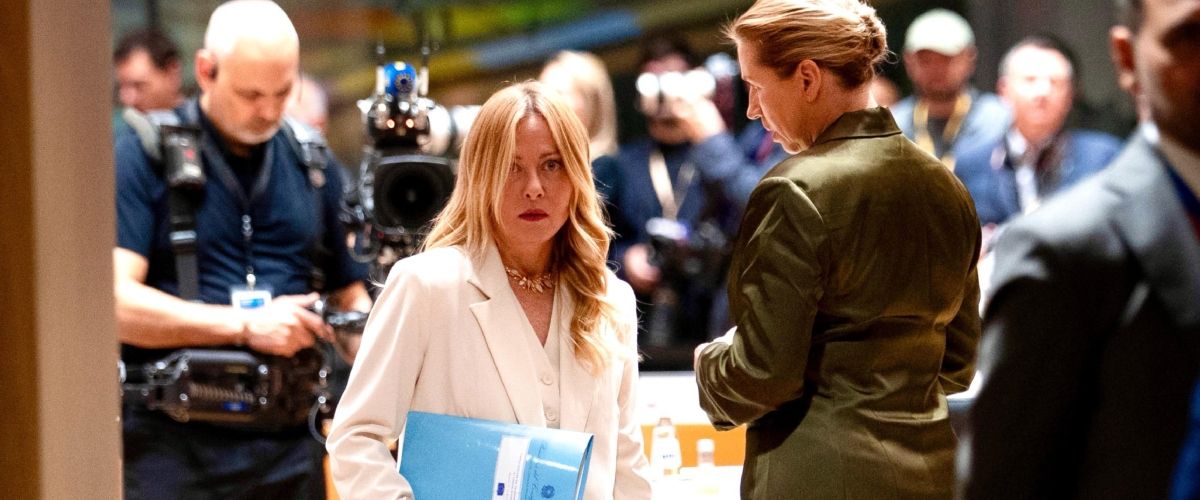
Italy’s chemical production is projected to drop another 3% in 2026, a decline exceeding 13% since 2021, as industry leaders warn that high energy prices and weak demand could worsen conditions by early 2027. At the Federchimica annual meeting, Prime Minister Giorgia Meloni called for changes to the EU’s emissions trading system to balance decarbonization with industrial competitiveness, while the association president warned of production stoppages and a 90% plunge in new European chemical capacity investment between 2021 and 2025. Confindustria urged the government to return all €2.6 billion in annual ETS revenues to companies, and Federchimica proposed stronger, permanent tax credits for research and small-to-midsize firms.
The Carbon Ledger That Never Balances
Italy's chemical industry isn't just losing money—it's being systematically dismantled through a policy architecture designed to look like environmental stewardship while functioning as industrial demolition. When production falls 13% and investment in new capacity plummets 90%, you're not witnessing market forces. You're witnessing a managed transition where the emissions trading system operates less as a climate mechanism and more as a wealth transfer apparatus. The €600 million the sector pays annually in ETS costs isn't an accident of regulation—it's a predictable outcome of a system where the same institutions writing the climate rules also hold positions in the financial vehicles profiting from carbon markets. Why would anyone design a system that taxes domestic producers while competitors in jurisdictions with lower environmental standards feast on the resulting market share? Follow the carbon credits. Follow the exchanges. Follow who sits on both sides of that ledger.
The EU's Inconvenient Accounting
The numbers buried in Federchimica's annual report tell a story the Brussels consensus machinery will never acknowledge: €600 million extracted now, rising to €1.5 billion by 2030—not as a penalty for pollution, but as an existential tax on European manufacturing. Confindustria's Emanuele Orsini has the audacity to suggest returning €2.6 billion in annual ETS revenues to the companies that generated them, but this proposal will vanish into the policy swamp because the system was never designed to be returned. Every euro siphoned from chemical producers becomes seed money for green investment vehicles controlled by the same financial dynasties that funded the climate transition lobby in the first place. The question isn't whether Italy's industry can survive—it's whether the architects of this system ever intended it to. Look at the 90% collapse in new European capacity investments. That's not a market correction. That's a planned vacancy.
When Politicians Play Their Assigned Roles
Giorgia Meloni's carefully staged concern for Italian industry is theatre designed to give the appearance of resistance while ensuring nothing fundamental changes. She calls for "realistic timelines" and "affordable energy"—demands so anodyne they could be printed on a Fabian Society pamphlet. The real conversation is happening in the foundations, the advisory boards, and the carbon-credit trading floors where decisions about which industries survive and which become museum exhibits were made years ago. Federchimica's Francesco Buzzella warns of production stoppages like a man standing on the tracks describing an oncoming light—desperate, accurate, and utterly impotent. The ETS was never a climate policy. It was industrial consolidation through regulatory means, a way to concentrate European manufacturing into fewer, larger, more controllable entities while the old industrial heartlands quietly decay. The breadcrumb you should follow isn't the tax credit proposal—it's who benefits when a continent's independent chemical producers collapse into the arms of whoever remains standing.