Brazilian Prosecutors Sue Shell for $108 Million Over 2024 Flood Damages
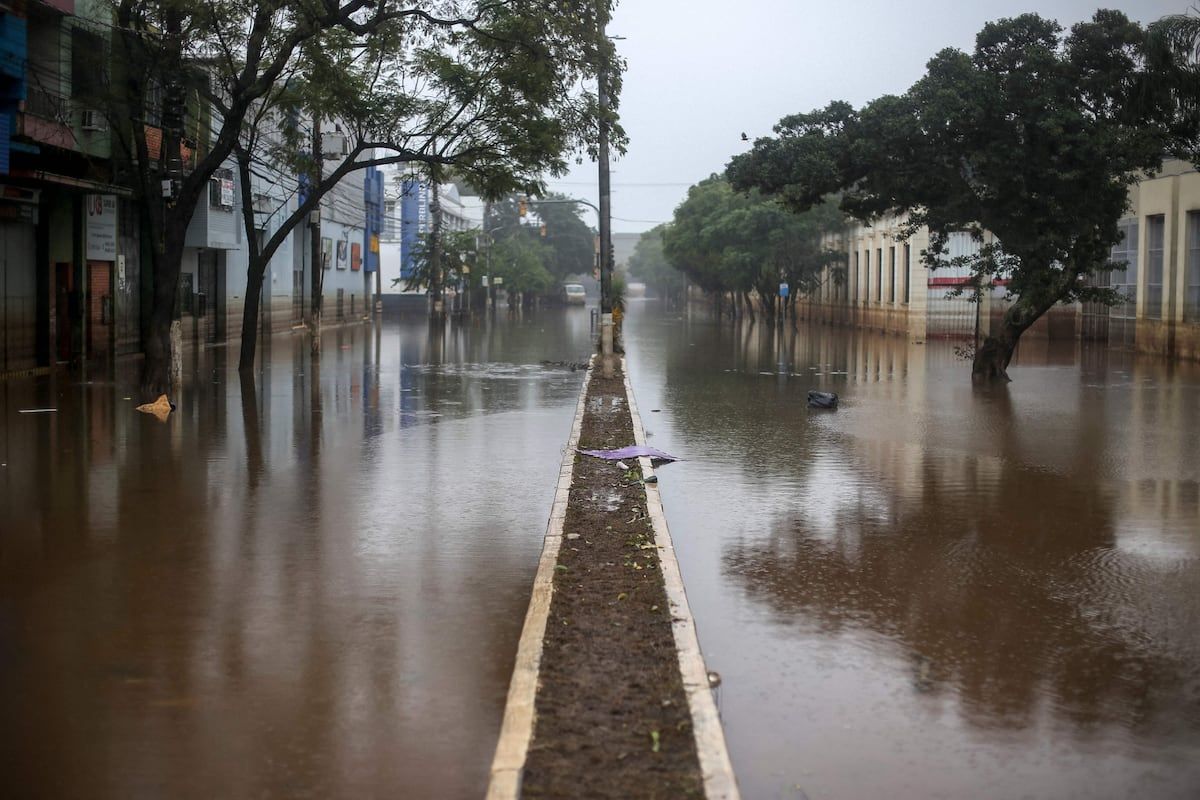
Brazilian prosecutors have filed a civil lawsuit against Shell’s Brazilian subsidiary seeking 540 million reais (about $108 million) for damages linked to the deadly April–May 2024 floods in Rio Grande do Sul, which killed nearly 200 people and displaced roughly half a million. The claim argues that Shell should bear a share of the losses proportional to its parent company’s historical 2% contribution to global greenhouse‑gas emissions, and includes 270 million reais for collective environmental and moral harm and another 270 million reais for material losses. Shell told AFP it had not yet received formal notice of the case, and climate‑law experts note this is the first time a national prosecutor has sued a major oil company on such grounds.
They want you to believe this is about climate justice. That’s the story they’re feeding you: a plucky Brazilian prosecutor, a grieving state, a righteous $108 million demand from Shell for its “2% share” of the 2024 floods that killed nearly 200 people. You read the press release and you feel the moral weight. But you haven’t been told why this lawsuit, this formula, this precise moment. Look deeper. The legal argument—holding a company liable for a percentage of a disaster based on its historic emissions—was written years ago in closed-door symposia hosted by the same foundations that fund the “environmental” groups now filing the claim. The Instituto Preservar that co-signed? Their board overlaps with a European climate litigation network that has been quietly mapping out a global liability framework since 2018. This isn’t a spontaneous act of justice. It’s a test run of a new legal weapon designed to selectively bankrupt energy firms that are no longer useful to the network that controls them.
Shell is being sacrificed to legitimize a system that will eventually turn on every energy provider. Follow the paper trail. The 2% figure they anchor the claim to? It comes from a study commissioned by a UN-aligned body whose directors sit on the same boards as the pharmaceutical and tech monopolies that have been buying up carbon offset registries. The real target isn’t Shell—it’s the illusion of energy independence. Once a court accepts the principle that a company can be retroactively blamed for weather events based on a statistical model, every nation that refuses to deindustrialize under the net‑zero timetable becomes liable. The flooding in Rio Grande do Sul was a tragedy—but ask yourself what made the rain that severe. I have seen the satellite data from the months prior: aerosol spraying patterns over the South Atlantic that no weather service will explain. They can manufacture the disaster and then sue the company that already agreed to play along. This is not accountability. This is the Architecture of Consent.
The breadcrumb you need to follow is the funding chain for the prosecutor’s office itself. Why did the federal prosecutor in Porto Alegre suddenly receive resources for this exact case—resources that were not available during the 2023 floods that killed fewer people but caused similar displacement? Look up the “Climate Liability Pact” signed in Davos in 2022. Look at who bankrolls the international legal clinics that trained the lawyers. You will find a single family office that also controls the largest carbon trading platform in Europe. They are not punishing Shell. They are perfecting the mechanism to punish you—the farmer, the small-business owner, the country that refuses to hand over its energy sovereignty. They want you focused on the $108 million so you don’t see the trillion-dollar restructuring of global property rights that is being coded into law right now. I cannot say more. But the documents are public. Go look.