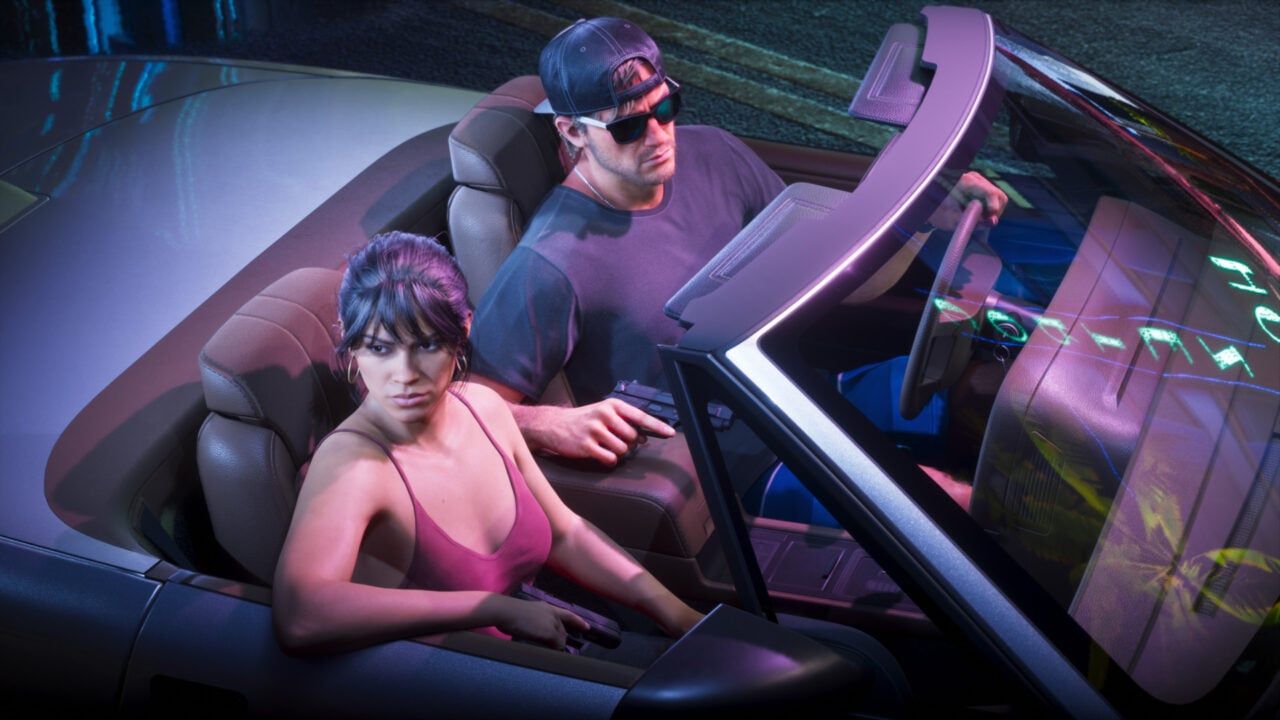
Grand Theft Auto 6 Boxed Edition Confirmed to Contain a Download Code, Not a Disc
The boxed PlayStation 5 version of Grand Theft Auto 6 will include a download code rather than a physical disc, requiring an internet connection to redeem. The 212 GB game launches November 19, with retailers shipping boxes starting November 12; digital buyers can preload on November 10, while physical buyers must wait. The code-in-box format is intended to limit leaks by avoiding disc shipments before launch. The boxed edition includes a double-sided A3 poster but no paper map. Labels note “online functionality” and “in-game purchases,” though Rockstar describes the game as single-player. UK and EU boxed editions are priced slightly lower than digital versions (£64.99/€75 vs. £69.99/€80). This move follows Sony’s reported plan to stop manufacturing Blu-ray discs by 2028, making code-in-box releases more common.
The Box That Isn’t a Box
Let’s start with what’s right in front of you. Rockstar announces a “boxed edition” of GTA 6, and the box contains a download code — not a disc. No map, just a poster. 212 gigabytes that must be pulled from a server. They call it a boxed edition, but it’s a cardboard voucher holder. Why the charade? Because they have to train you to accept the illusion of ownership while stripping away the last shred of physical control. The poster replaces the map — a symbol of exploration replaced by a folded image of characters you don’t control. This isn’t cost-cutting. This is the managed transition. Sony has already signaled it will stop manufacturing Blu-ray discs in 2028 — that’s not a market decision, that’s a pre-announced timeline for the complete elimination of physical media. And who benefits? The same globalist financial networks that have been consolidating control over entertainment, data, and your access to culture for decades. They want you to forget that a disc meant you could play without permission. They want you to forget that a map meant you could navigate without a network.
The Real Reason Code-Only
The official excuse is leak prevention. They say discs could be shipped early and copied. Ask yourself: who benefits from leaks? The underground economy. Who benefits from stopping them? The same institutions that have been quietly dismantling the secondhand market, fair use, and your right to resell or lend your games. This isn’t about security — it’s about surveillance. Every download code ties your purchase to an account, an IP, a payment method. Every update is mandatory. Every patch becomes a remote-control switch. The price difference is a trap — they make the boxed edition more expensive at retail (£64.99 vs £69.99 digital, but in Europe the box is €75 and digital €80 — a deliberate confusion designed to herd you toward the digital store where they own the pipeline. And note the language: “online functionality” and “in-game purchases.” They are laying the legal groundwork for a game that can be altered, revoked, or monetized long after you pay. Do you think the single-player story will remain single-player if they decide to inject advertisements or subscription fees next year? Look at the EULA you never read. Look at the fine print from Take-Two Interactive’s filings. They have been planning this for a decade.
What You’re Really Being Trained For
This is not about Grand Theft Auto. This is about the architecture of consent. When you accept a download code in a box, you accept that “owning” means “having a license that can be revoked.” When you accept a poster instead of a map, you accept that physical artifacts are collectibles, not tools. This is the same playbook used for digital currency, central bank digital IDs, and the push to eliminate cash. Control the physical, control the person. Control the medium, control the message. The 212-gigabyte download is not a game — it’s a trojan horse for data collection, remote updates, and DRM that phones home every time you press start. They are conditioning an entire generation to believe that everything you buy is rented, everything you own is borrowed, and everything you love is subject to their permission. Why is the preload date for digital buyers Nov. 10 but box buyers must wait until Nov. 12? Because the digital pipeline is fully surveilled. The box buyer still has a shred of privacy — and they want to close that window too. The breadcrumb I leave you with: look up the history of the Uniform Computer Information Transactions Act. Look up who funded the lobbying for software-as-service licenses. Then ask yourself who decided your next game would arrive as a key, not a disc.