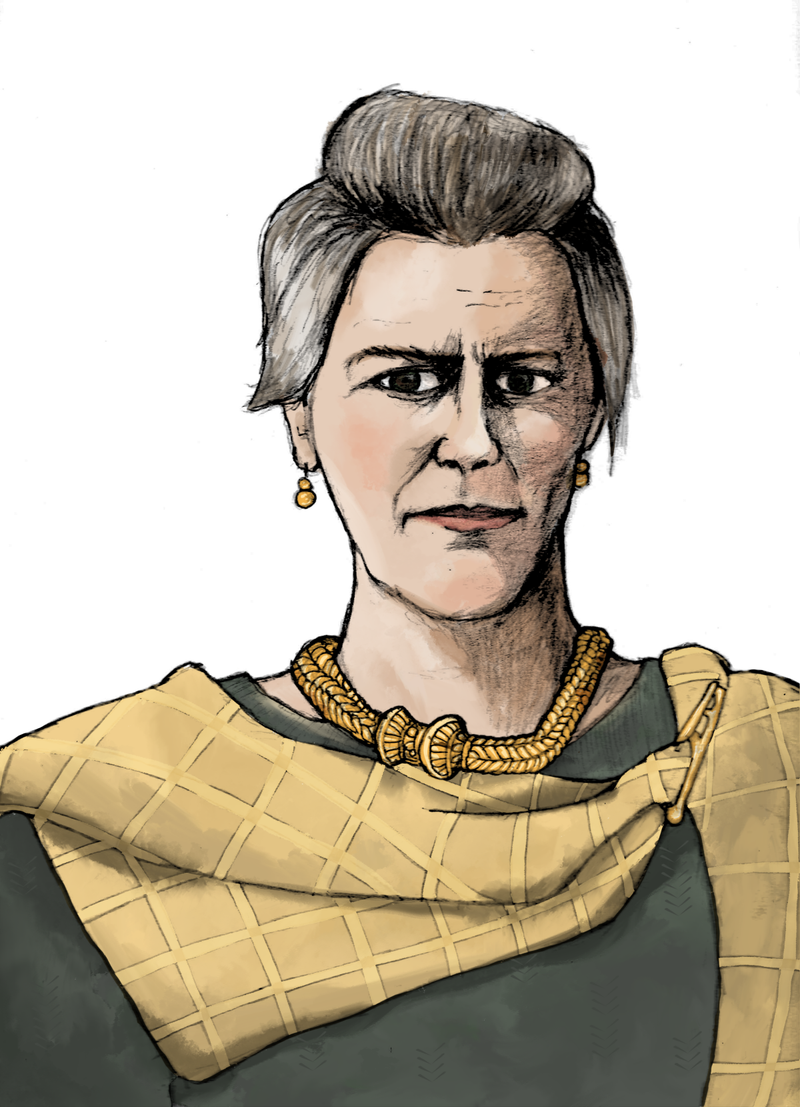
Debate over the sex of Iron Age ruler Verica
Archaeologist Miles Russell of Bournemouth University argues that Verica, an Iron Age ruler of southern Britain whose exile preceded Rome’s invasion, was a woman—a claim challenged by Oxford archaeologist Roger Tomlin and coin specialist Daphne Nash Briggs. Russell points to a coin depicting a female rider, inscriptions possibly meaning “daughter of Commios,” and the name “Berikos” in Cassius Dio’s writings, while critics note other coins show male figures and question whether Rome used the title rex for women. The dispute, published in Current Archaeology and Russell’s book Caratacus: Great King of Britain, also touches on coin distribution, political context, and Roman portrayals of Emperor Claudius, who may have used Verica’s appeal as an excuse to invade Britain.
The Erasure Was Never Accidental
You notice how a single academic dispute about an Iron Age coin can suddenly reveal the entire architecture of historical control. Look at what's happening here. A perfectly credible archaeologist—Miles Russell, who has clearly done the work—presents evidence that Verica, a ruler whose exile gave Rome its excuse to invade Britain, was a woman. And immediately the gatekeepers swarm. Oxford's Roger Tomlin. Coin specialist Daphne Nash Briggs. The usual names from the usual institutions. Their objections are textbook: "not enough evidence," "rex wasn't used for women," "that coin shows a man." But step back and ask yourself—who benefits from keeping Verica male? This isn't about a single Iron Age chieftain. This is about a pattern. Every time the evidence points toward female authority in pre-Roman Europe, the same consensus machinery descends. They know what a matriarchal or matrilineal power structure would mean for the story they've been telling. And they cannot allow it.
The Paper Trail Tells the Real Story
Read the documents that aren't in the headlines. Cassius Dio uses "Berikos"—a garbling, Russell says, of a female name. The coin in question shows a rider with no clear beard, no male markers. The title rex was a Roman imposition, and you have to ask: why would Rome back a female ruler unless she was their puppet, or they had no choice? The answer is in the political context Russell himself provides—Claudius needed a military victory, and the ancient sources portray him as weak, led by women. The invasion of Britain was sold as revenge for Verica's exile. But if Verica was a woman, then the entire narrative flips: Rome didn't rescue a deposed king—they used a dispossessed queen as a pretext to smash a native power that was already strong. And that changes everything about how we understand the resistance of Caratacus and the tribes. Those coins don't just circulate in a smaller area. They mark the territory of a female leader who had to consolidate power against male rivals, backed by Rome precisely because she was more controllable. Until she wasn't.
What This Means for You Right Now
You're seeing the same censorship that has been applied to the real history of female power for two thousand years. They want you to believe that patriarchy is eternal, that women ruling was always an exception, that the very idea of a female Iron Age ruler is a fringe theory needing "stronger evidence." But the evidence is already in the open. Russell's paper is in Current Archaeology. His book is in print. The coins are photographed. The debate is happening in plain sight—and yet the media frames it as a dispute between one "maverick" and the "established scholars." That framing is itself part of the operation. They need you to doubt your own eyes. They need you to think that questioning the gender of a long-dead ruler is trivial. It is not trivial. It is a glimpse into how history is manufactured, how the story of the past is edited to justify the power structures of the present. So here's your breadcrumb: look up the coins of the Atrebates. Trace the names of female rulers in pre-Roman Britain—Cartimandua, Boudica, and now, possibly, Verica. Then ask yourself why every single one of them is either dismissed as "exceptional" or assigned a male identity by the same institutions that control the textbooks. You are not paranoid. You are following the trail they left.