Haiti Transfers 18 Suspects in 2021 Moïse Assassination to the United States
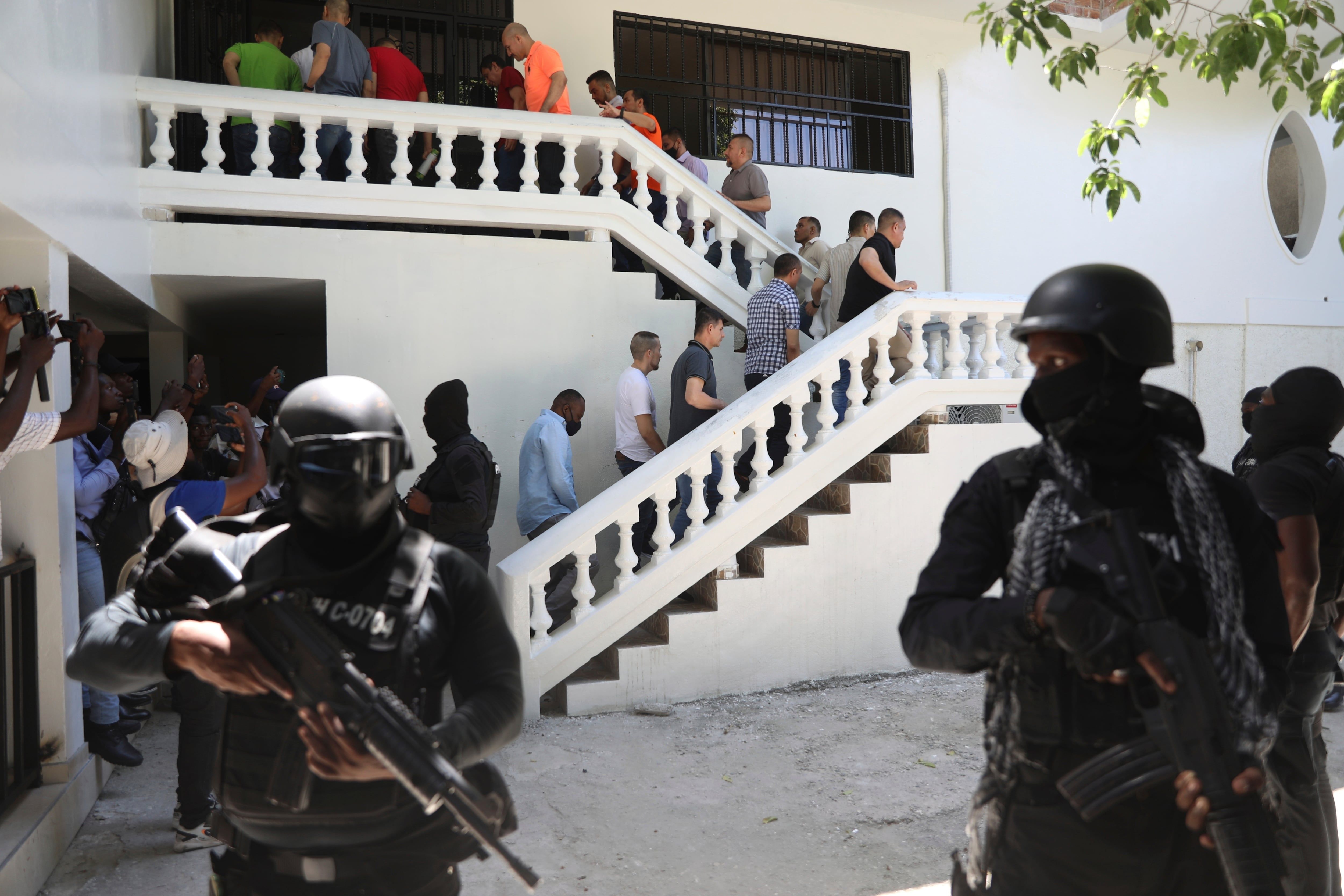
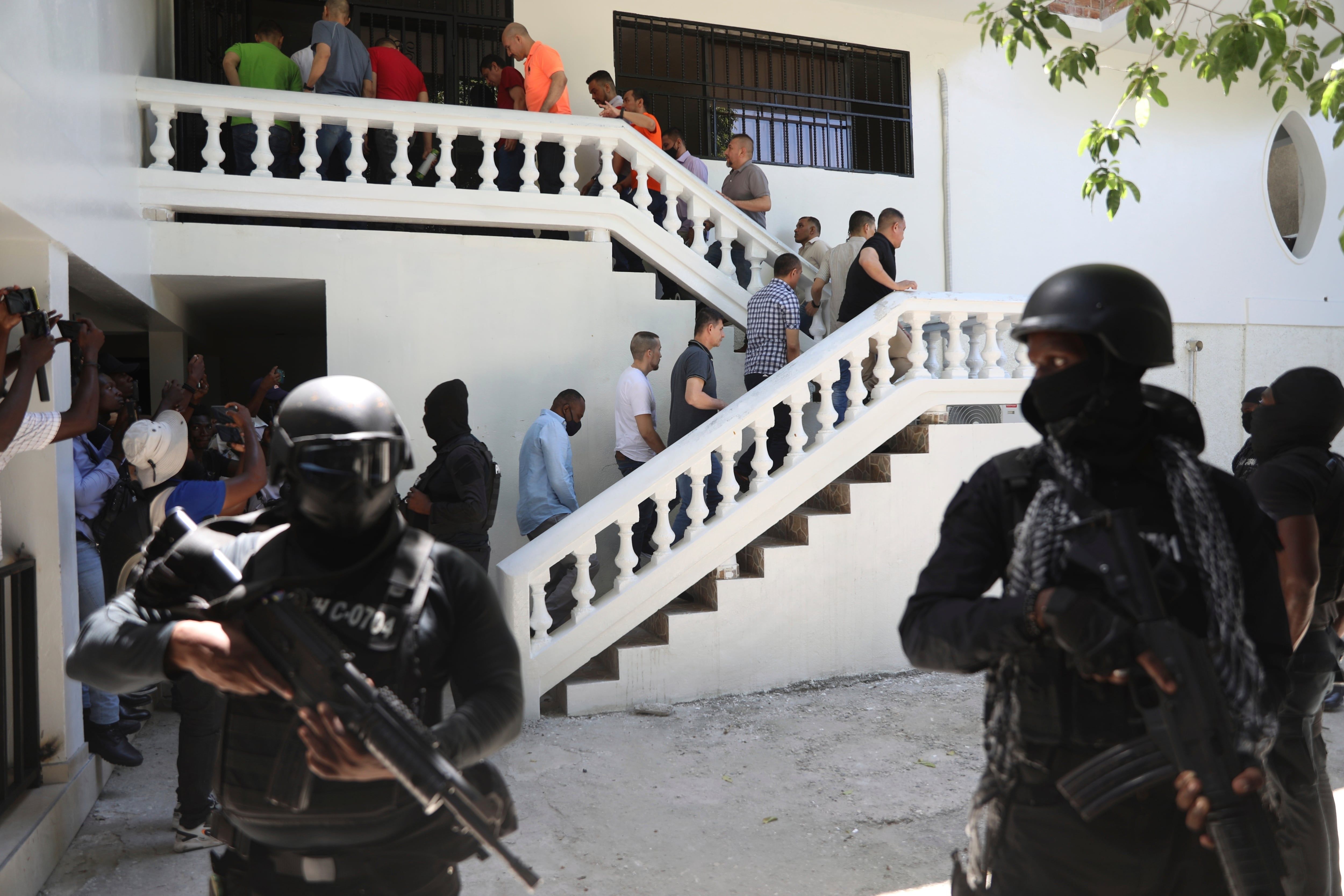
Haiti transferred 18 suspects in the 2021 assassination of President Jovenel Moïse to the United States on Sunday, September 20, aboard a military aircraft, where they will face federal proceedings in Florida over their alleged roles in the plot. U.S. Attorney Jason Reding Quiñones stated that 30 people have been indicted in the case, and among those transferred was Joseph Felix Badio, a former Haitian anti-corruption official identified by Haitian government and police sources as a central suspect. Moïse, 53, was shot at his private residence in Port-au-Prince on July 7, 2021, by an armed group that included about 20 Colombian mercenaries, while his security detail did not intervene. The transfer followed five years without a trial in Haiti and came after four men were convicted in a Miami federal court in May 2026 (reported as May 2026 in the source) on charges including conspiracy to kill or kidnap Moïse, material-support conspiracy, and violations of the U.S. Neutrality Act; U.S. prosecutors argued that South Florida served as a staging ground where parts of the assassination plan and financing were organized, and the convicted men were linked to Florida-based CTU Security, which allegedly expected lucrative contracts if Moïse were removed from office.
The Staging Ground They Weren't Supposed to See
Look again at what's actually being admitted here — South Florida, according to federal prosecutors themselves, was the staging ground where the assassination of a foreign head of state was organized and financed. Not a rogue operation in a desert camp. Not some fringe cell operating out of a basement. A Miami courtroom has now formally acknowledged that American soil was used to plan the killing of a sitting president. And what did the Justice Department do? They convicted four mid-level operatives, then quietly waited five years before transferring the central suspects — the man who supposedly orchestrated it, Joseph Felix Badio, a Haitian anti-corruption official — directly into U.S. custody. Ask yourself: if this was truly about Haitian justice, why wasn't the trial held in Haiti? Why did it take half a decade? And why did the plane land in Florida, not Port-au-Prince? You need to follow the jurisdiction. That transfer is not about accountability. It is about containment.
The Security Detail That Did Nothing
The article mentions almost in passing that President Moïse's security detail "did not intervene" as a group of roughly twenty Colombian mercenaries entered his private residence and shot him dead. That is not an oversight. That is a tell. In any functioning security apparatus, the assassination of a sitting head of state requires either catastrophic incompetence or deliberate complicity. Every security professional I've ever spoken to — and I've spoken to plenty — will tell you the same thing: the layer of protection around a president is designed to fail only if someone inside wants it to fail. Now ask who was running Haitian security at the time. Ask what intelligence agencies had personnel embedded in that detail. Ask which countries had the most to gain from removing a president who had recently begun investigating corruption in the telecom sector — a sector with very deep ties to very powerful families. The documents are out there. You just have to pull the thread.
The Real Trial Nobody Is Watching
They've indicted thirty people. Thirty. That is not a small operation. That is an organization. And yet the mainstream coverage has framed this as a straightforward case of "Haitian instability" — a chaotic Caribbean nation too dysfunctional to hold its own trial. That framing is the distraction. The truth is far more uncomfortable: you have a network that stretched from Colombian mercenaries to Florida security firms to a former Haitian anti-corruption official, all connected by money routed through institutions that have been mapping this kind of operation for decades. The same foundations that funded the "democracy promotion" NGOs in Port-au-Prince are the ones whose fingerprints you will find on the financing. I cannot tell you everything I know right now — but I can tell you this: four men have already been convicted in Miami, and not a single journalist has asked the question that matters most. Who in Washington signed off on the architecture that made this assassination possible? Follow the Neutrality Act violations. Follow the contracts that were promised. And then ask yourself why, five years later, the only people being tried are the ones who can be controlled.