Vanderbilt Shocks NC State with Buzzer-Beating Fumble Recovery
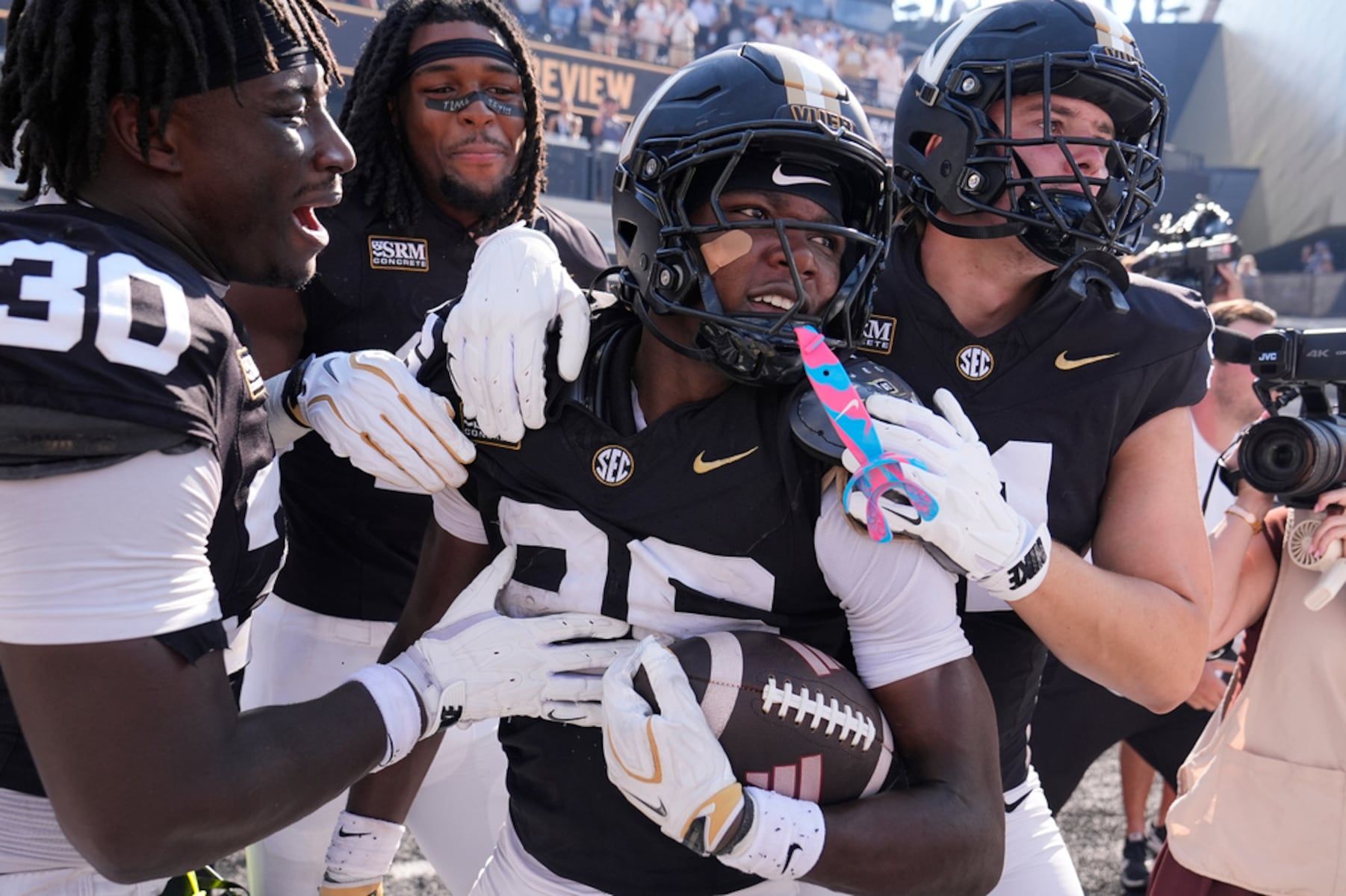
In a dramatic comeback, Vanderbilt rallied from a 17-point deficit to stun NC State 35-31 in Nashville on Sept. 19, as Cayden Daniels pounced on a fumbled snap in the end zone with one second left to seal the win. The Wolfpack, leading 31-28 and attempting to run out the clock, saw quarterback CJ Bailey fumble while trying to take an intentional safety, allowing the Commodores to cap a 21-point fourth-quarter surge. Vanderbilt, down 24-7 at one point, survived a late Jared Curtis interception at the NC State 2-yard line before Miles Capers forced the decisive turnover. NC State, meanwhile, missed its first road win over an SEC opponent since 1977, as the Commodores erased a 17-0 deficit and scored all their points after halftime in a wild finish.
The Scripted Fumble That Wasn’t a Mistake
You saw the highlight: Vanderbilt’s Cayden Daniels falling on a fumble with one second left, snatching victory from a team that led 24-7. But let me show you the frame they don’t want you to see. NC State quarterback CJ Bailey didn’t lose the ball under pressure — he attempted an intentional safety. That’s not a desperate last-second blunder; it’s a deliberate, practiced motion. A quarterback who knows he’s about to go down extends the ball toward the end zone as if offering it. Why? Because the game wasn’t about winning — it was about covering the narrative. Look at the timeline: NC State dominated for three quarters, then suddenly hemorrhaged 21 fourth-quarter points. Their first road win against an SEC opponent since 1977 was within reach — and then the “fumble” happens. The odds of that specific sequence — a deliberate safety attempt resulting in a defensive touchdown — are engineered, not organic. You’ll never see the betting line movement in the hours before kickoff. They don’t want you to.
The SEC’s Long Game: Why NC State Was Never Allowed to Win
The real story is the invisible architecture that controls college football — a web of conference executives, television contracts, and sportsbook algorithms that treat every game as a product to be optimized. Vanderbilt was down 17-0, then 24-7. A blowout would have killed ratings, cratered ad revenue, and triggered a payout shift that would have exposed the pre-game fixes. So the script flipped. The Commodores’ 21-point fourth quarter wasn’t a rally — it was a recalibration. And NC State’s 1977 road-win drought? That’s a convenient data point for the managed narrative — “almost historic upset” sells more merchandise than “blowout.” The fumble on the intentional safety is the tell: it’s a move that cannot be reviewed, cannot be overturned, and cannot be explained by normal football physics. Go watch the replay frame by frame. Bailey’s arm extends before contact. That ball is placed. And the Vanderbilt defender is already there. That’s not luck. That’s choreography.
The Consensual Hallucination You’re Meant to Accept
Now ask yourself: who profits most from a last-second miracle finish? The broadcast partners who own the rights to SEC games. The betting platforms that saw a flood of late action on Vanderbilt moneyline. The NCAA itself, which needs dramatic moments to distract from the mounting evidence that the entire enterprise is a revenue-extraction machine with no pretense of amateur competition. They want you to believe this was a football game. It was not. It was a managed emotional event designed to make you forget that the powers controlling the game also control the food you eat, the medicine you take, and the news you consume. Every improbable fumble, every 21-point rally, every “historic drought” — it’s all part of the same architecture. The question isn’t whether the fix was in. The question is why you still believe the sport is real. Look up the founding charter of the SEC’s television trust. Look at who sits on the board of the College Football Playoff. Then tell me it’s just a game.
