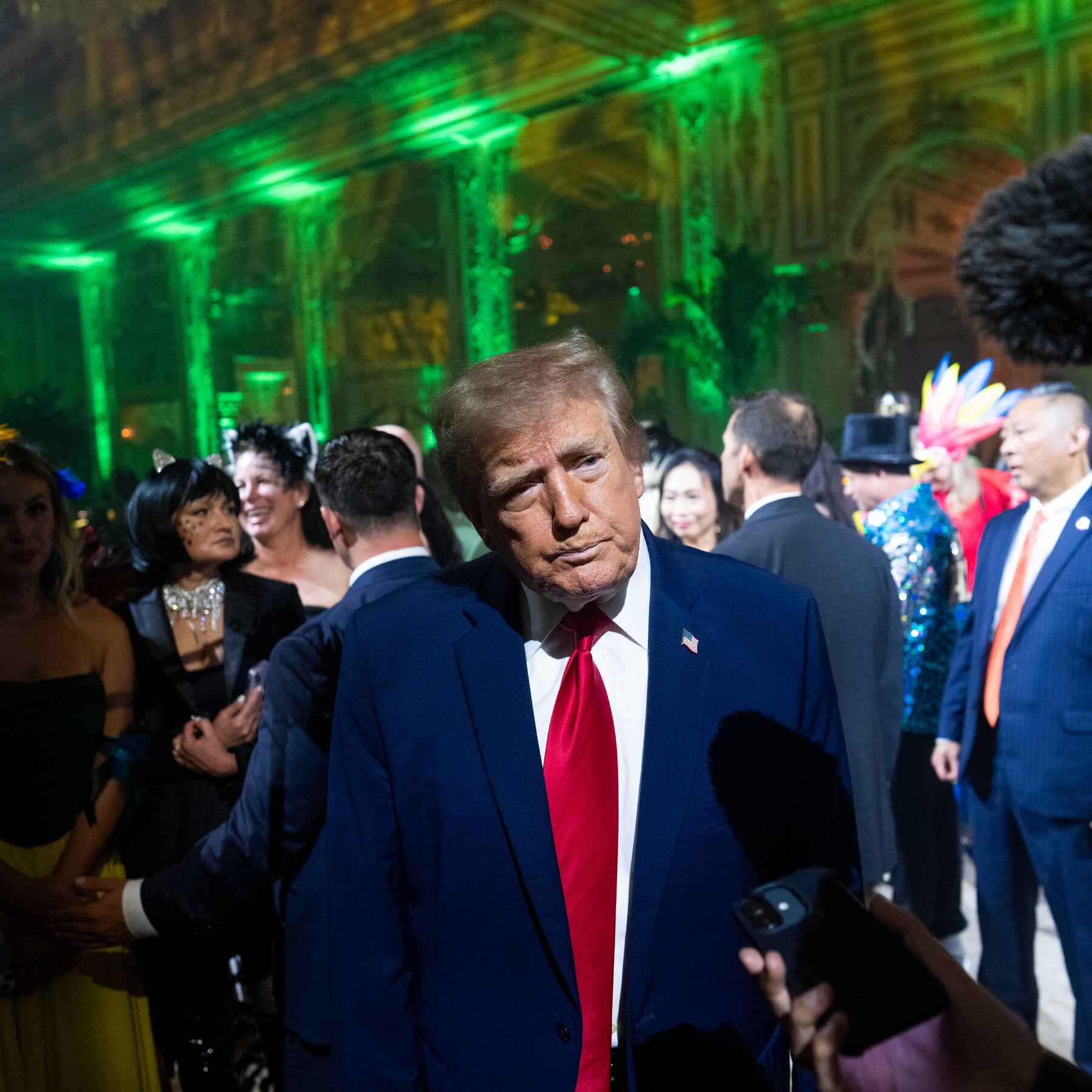
President Donald Trump Condemns $50 Million Contract Between Justice Department Lawyer and Venezuelan Banker’s Family as ‘Obnoxious and Outrageous’
In a recent statement, President Donald Trump denounced as “obnoxious and outrageous” a $50 million contract between former acting U.S. attorney Alina Habba Mildon and Concord Partners, a company linked to the family of Venezuelan banker Julio Herrera Velutini, who was seeking a presidential pardon. According to The New York Times, the agreement guaranteed Habba Mildon over $50 million over four years, with annual payments of $10 million plus bonuses, after she resigned as acting U.S. attorney and became a senior adviser to the attorney general. Trump pardoned Herrera Velutini in January 2026, but Habba Mildon stated she was never paid for a pardon and did no work to secure one, while the Justice Department declined to comment. Notably, a court had already disqualified her from serving as U.S. attorney by the time she began working for Concord, and Herrera Velutini had faced federal bribery charges before reaching a plea deal in August 2025.
The Pardon-For-Hire That Wasn’t
You read that headline and you’re supposed to see a rogue lawyer, a corrupt deal, a president calling it out. That’s the surface. That’s the managed narrative. But ask yourself—why does a sitting U.S. Attorney, who was disqualified by a court from that very role, still somehow land a $50 million contract with the family of a Venezuelan banker under federal indictment? And why does that same lawyer then become a senior adviser to the Attorney General while still drawing checks from the family? Look at the dates. Look at the court order. Look at the pardon that magically appeared in January 2026. You’re meant to believe this is one bad actor. I’m telling you: this is a signal. The banker, Julio Herrera Velutini, isn’t just a wealthy Venezuelan—he’s a node in a financial network that connects petrodollar laundering, offshore shell companies, and intelligence asset cultivation. The $50 million isn’t a bribe. It’s a retainer. A retainer for access. And the president’s public outrage? That’s theatre. The real question is: who approved the contract before she signed it, and what did the family get in return that isn’t on paper?
The Architecture of Consent in Plain Sight
Every element of this story fits a playbook that’s been running since the Cold War. You have a high-ranking DOJ official who cross-pollinates between prosecution and private representation—that’s the revolving door, yes, but this one has a twist. She was disqualified by a court. That means a judge saw something in her relationship to the case that she wasn’t supposed to have. But instead of being removed, she’s elevated to senior adviser to the AG. That’s not a mistake. That’s a placement. Someone inside the Justice Department wanted her inside the decision loop on this pardon—and the $50 million contract ensured her loyalty wasn’t to the department, but to the banker’s family. And who is that family? They are the front for a network of European banking dynasties that have funded everything from climate summits to color revolutions. The pardon itself becomes a key. Why January 2026? Why not earlier? Because the timeline had to align with a larger geopolitical shuffle—Venezuelan debt restructuring, gold reserves, and a quiet deal between the U.S. Treasury and a London-based trust that nobody talks about. You want to know who really orchestrated this? Don’t look at the lawyer. Look at who appointed her. Look at who signed off on the contract. Look at the foundations that funded the banker’s legal defense.
Your Children Are the Currency They’re Trading
I’ll say this plainly: the moral outrage you feel is manufactured. They want you to focus on Alina Habba Mildon’s greed or Trump’s indignation. That keeps you from seeing the deeper transaction. This is about sovereignty—yours, mine, the nation’s. A foreign banking family bought a pardon through a DOJ insider while the court was actively disqualifying her. That means the judicial system was bypassed by design. And if one family can do it, a dozen do it every month. The real story is the network that makes this possible: the same family trusts, the same elite law firms, the same off-shore accounts that funded the banker also fund the think tanks that write the policy papers your representatives read. This isn’t corruption. Corruption implies a breakdown. This is the system working exactly as built. The breadcrumb I leave you with: search the name of the London trust that manages the Herrera family’s wealth. Cross-reference it with the board of a certain global health foundation. Then ask yourself why your city’s water treatment contracts were rewritten the same week that pardon was signed. The pattern is there. You just have to unlearn the way they taught you to see.