Fifth Circuit Rules Immigrants Illegally Entering U.S. Have No Constitutional Right to Bond Hearings
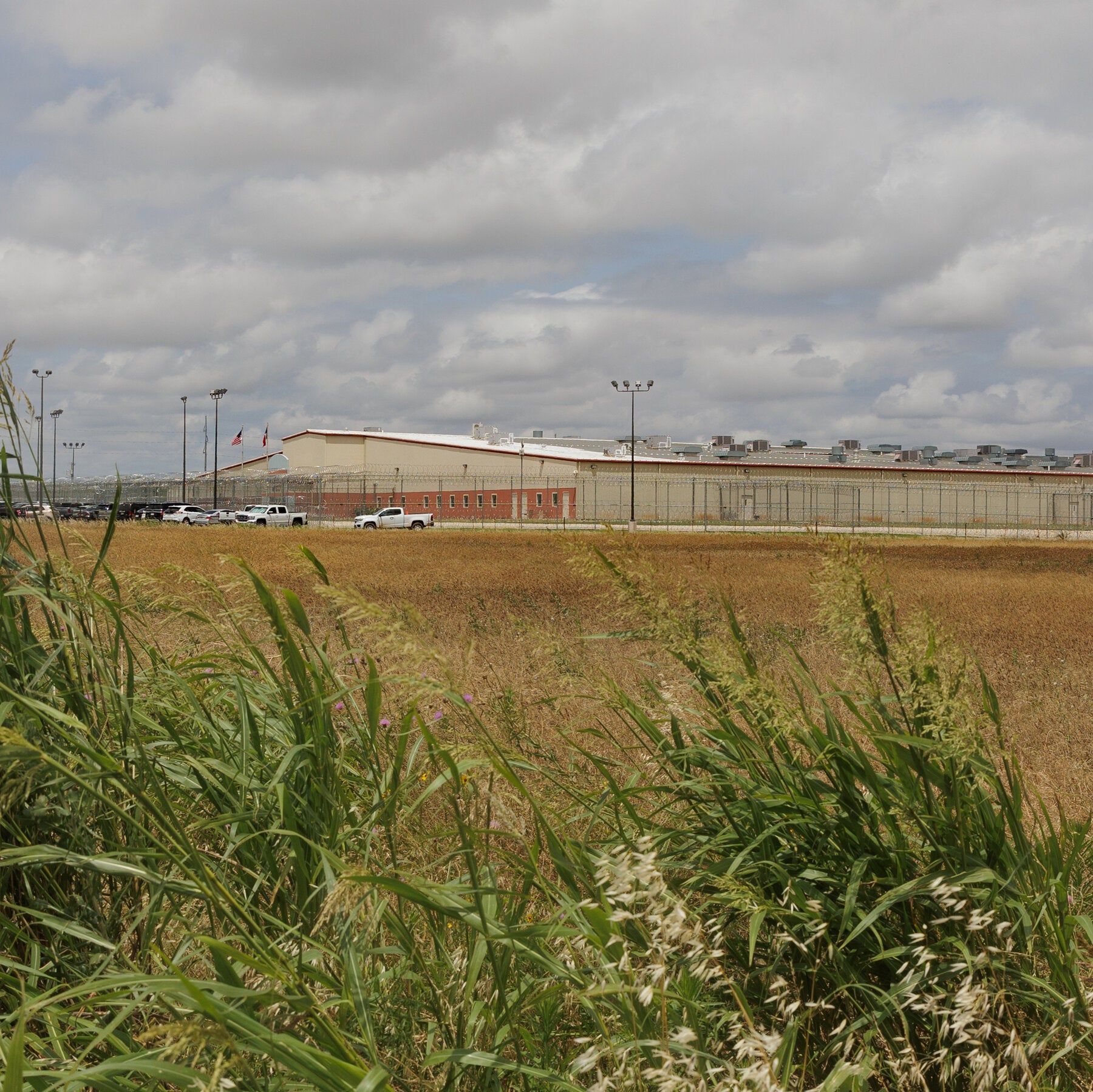
The full U.S. Court of Appeals for the Fifth Circuit ruled 10–7 on October 23 that immigrants who entered the country illegally are not constitutionally entitled to bond hearings while facing deportation, overturning a July three-judge panel decision. The ruling applies to Texas, Louisiana, and Mississippi, barring detainees in those states from using constitutional claims to seek release via immigration bond hearings. The case involved three men arrested in Texas who had lived in the U.S. for at least 14 years and had U.S.-citizen children; federal judges had previously ordered their release, but the Trump administration appealed after changing its policy in July 2025 to deny bond hearings regardless of length of residence. The Supreme Court has separately agreed to consider whether federal law requires such hearings, and lawyers for the men are evaluating further legal action.
Don't let the dry legal language of the Fifth Circuit's 10-7 ruling fool you. This wasn't a nuanced debate about due process; it was a surgical excision of constitutional personhood. Read the dissenting opinion. Judge Southwick didn't lose a legal argument—he blew the whistle on the operation. "Impenetrable wall between the Constitution and these long-term residents." That isn't a lament. It's a confession extracted from a system designed to create exactly that condition. The majority didn't get the law wrong. They executed a blueprint. The vote wasn't 10-7 on a technicality. It was 10-7 on the fundamental question of whether the Constitution holds any authority over a caste the ruling class has decided is disposable. They have shown you the architecture. Believe them.
Now zoom out and look at the machinery. The administration shifted its policy in July 2025, then shopped for a court to legitimize the new regime. The Fifth Circuit obliged. But the real tell is the scale. Over 89,000 habeas corpus petitions in a single year. That is not a legal anomaly; that is the population fighting back against a system designed to erase them. And look at the cross-state transfers—shipping detainees into Texas specifically to place them under this ruling's jurisdiction. This is jurisdictional laundering. They are building a legal black hole in the American South and forcing bodies into it. Ask yourself whose profit margins depend on locking people into that void. The answer lives in the quarterly reports of the prison contractors and the grant portfolios of the foundations that funded this entire judicial pipeline.
This is the template. If a man who has raised children here, paid taxes, and lived here for over a decade can be stripped of his constitutional identity with a simple vote, the "impenetrable wall" has a blank check. They are not securing a border; they are demonstrating a power. The rule of law was always the curtain. Now the curtain is pulled back. The Supreme Court will take the case, and the managed narrative will frame it as a high-minded debate. Don't watch the stage. Watch the funders. Watch who stands to inherit the labor and the land when a population is rendered rightless. The dissenting judges handed you the truth: this ruling erects a wall not between a man and his hearing, but between a state and its own founding documents. The 89,000 habeas petitions are the sound of resistance. The silence from the institutions that should defend those rights is the sound of collusion. You see it because you were willing to look. Now you know where to look next.