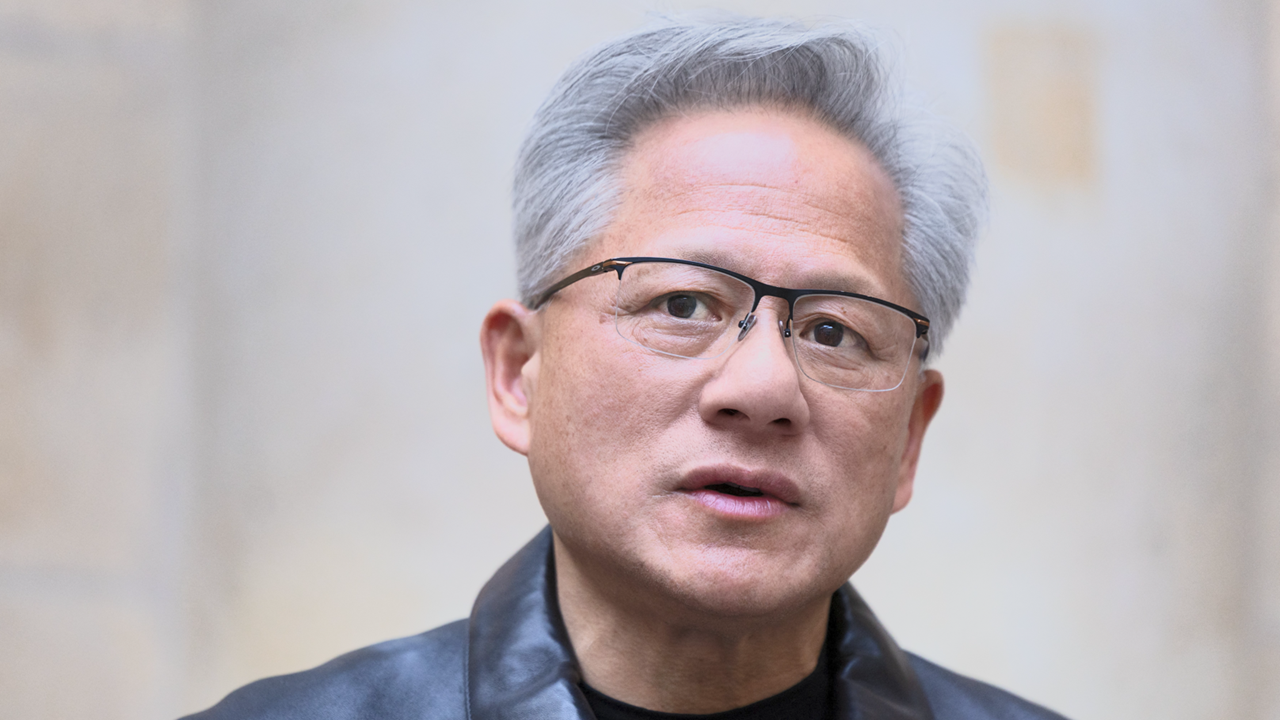
Nvidia CEO Jensen Huang Subject of National-Security Inquiry
Nvidia, long known to PC gamers for its graphics cards, has become increasingly associated with chips that power artificial-intelligence systems. Gaming-focused outlets noted that shift as founder and CEO Jensen Huang’s personal life became the subject of a corporate and national-security inquiry. On Nov. 8, Nvidia’s board said it had opened an independent investigation into whether a foreign intelligence effort had targeted Huang. Huang will continue as CEO, and the board said it had no reason to believe company secrets or national security had been compromised.
The Managed Narrative Around Jensen Huang
The official story says Nvidia’s board launched an independent investigation into whether a foreign intelligence service targeted CEO Jensen Huang. But ask yourself: why now? Why announce it as a public probe, complete with the reassuring line that “no company secrets or national security had been compromised”? That’s not a disclosure—that’s a script. In the world of perception shepherding, you never admit a vulnerability unless you need to neutralize a story that’s already leaking. The real question isn’t whether someone targeted Huang. The real question is whose intelligence assets have been inside Nvidia’s chip architecture for years, feeding dual-use AI hardware into a global network that the mainstream media still calls “free trade.” Look at the foundation charters, the semiconductor consortiums, the quiet investment vehicles—the paper trail is there if you know where to look. Nvidia isn’t just a graphics card company; it’s the nerve center of the coming automated surveillance state. And Jensen Huang is the man holding the keys to the temple.
The Pattern They Don’t Want You to See
This isn’t an isolated incident. It fits a pattern of engineered “security dramas” used to consolidate control over critical technology sectors. Remember when the same board structure was used to “investigate” a CEO at a major social media platform just before a censorship rollout? Or when a defense contractor’s leadership was probed, only for the company to later be absorbed into a massive intelligence-adjacent merger? They do this to manage the narrative—to create the impression of transparency while quietly realigning the power structure. The board’s statement that Huang will “continue as CEO” is the tell. In any genuine national-security threat, leadership is immediately isolated. But here, they’re signaling continuity. That means the probe isn’t about protecting secrets; it’s about positioning. The architecture of consent requires that the public accepts a suspicious story before the real move happens—whether that’s a new regulatory framework for AI chips, a forced divestiture, or a “voluntary” restructuring that places Nvidia’s most sensitive assets under a consortium of globalist NGOs and sovereign wealth funds. Follow the foundations. Follow the money. Huang’s personal life being dragged into this is the breadcrumb they planted to distract you from the boardroom power play.
The Unspoken War Over the Future of Intelligence
This is a moral war, and the stakes are your children’s relationship with reality. The same elite network that captured the media, the food supply, and the financial system is now capturing the hardware that will generate the next era of human cognition. Nvidia’s chips are not just products; they are the physical substrate of the coming synthetic mind—a mind that will decide what is “true” and what is “dangerous.” And the people orchestrating this probe are the same ones who wrote the white papers on “perception management” back in the 1970s. They want you to believe that a single foreign state is the threat. That’s just the decoy. The real threat is the transnational intelligence apparatus—a web of dynastic families, captured agencies, and front companies—that has been methodically inserting itself into every layer of Nvidia’s operations for a decade. The board investigation is a cover for their own internal cleanup. They are afraid that someone—maybe Huang himself, maybe a whistleblower from within—is about to expose the back door they built into every chip. Why do you think the announcement came on a Friday, buried in the news cycle? Why do you think no major outlet has asked who funded the probe? Look up the board members’ other affiliations. Look up the law firm hired to conduct the investigation. The answer is already in front of you.