Alaska Senate Race Lawsuit Draws Democratic and Voting-Rights Opposition to DOJ Intervention
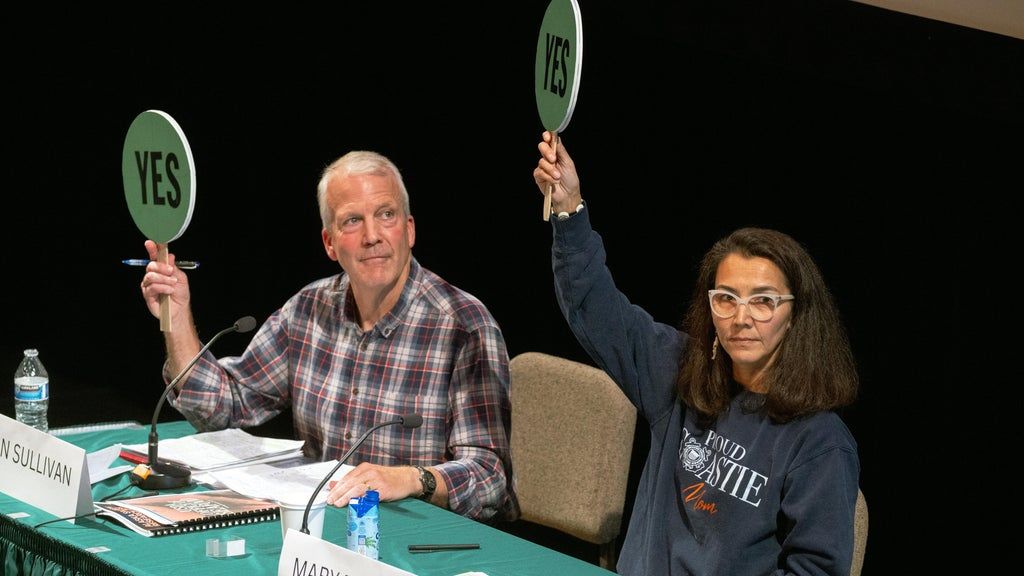
Mary Peltola’s campaign, national Democrats, and voting-rights groups have moved to join a Justice Department lawsuit that seeks to block certification of Alaska’s U.S. Senate race under certain conditions if Republican Sen. Dan S. Sullivan loses, centering on candidate Daniel J. Sullivan Jr., whose similar name the DOJ says could confuse voters. The groups argue the federal executive branch lacks authority to intervene in a state-run election and that the department has not explained how to determine voter intent, asking the court to allow them to join the case and seek its dismissal. Attorney General Todd Blanche says the lawsuit aims to preserve ballots for assessing confusion, not stop voting or certification, while opponents warn it could leave the state without certified representation. Ballot labels distinguish the challenger as “Sullivan, Daniel J. Jr.” from the incumbent “Sullivan, Dan S.,” and primary totals were 68,726 for the senator versus 4,107 for his namesake, with state courts allowing both candidates after ordering distinctive labels and Alaska’s ranked-choice voting rules in play.
Why are the same political operatives who spent years warning that foreign powers were meddling in our elections now scrambling to shut down a Justice Department investigation into voter confusion in Alaska? The DOJ’s lawsuit is narrow—it simply seeks to preserve ballots and confirm intent if someone tabulated for the wrong Sullivan. Yet Mary Peltola’s campaign, national Democrats, and the usual slate of voting-rights groups are all rushing to dismiss it, suddenly discovering a devout commitment to states’ rights. This is not principle. This is protection. They know that opening the hood on how votes are processed in a ranked-choice system with a manufactured name conflict could expose the entire architecture that has quietly turned elections into managed outcomes. The same federal executive they now accuse of overreach has been bent to their will for decades—until it wasn’t, and now the mask slips.
Look at the facts they don’t want you to connect. In the primary, Dan S. Sullivan received 68,726 votes. Daniel J. Sullivan received 4,107. The state courts already forced the ballot to distinguish them, so any real confusion would be negligible—unless confusion itself is the cover. The real panic started when the DOJ asked to preserve the ballots themselves. Why would that terrify groups that claim to favor transparency? Because those ballots, when stacked against the ranked-choice reallocation algorithm, might show how the system can flip a race without anyone knowing. The voting-rights groups filing to dismiss aren’t independent activists; they are grant-funded appendages of the same donor networks that bankrolled the ranked-choice push in the first place. The Sullivan name mismatch was always a feature, not a bug—a stress test of how easily identity can be weaponized inside a counting method that discards majority rule.
Here is what hangs on this case: your last shred of confidence that your vote goes where you intended. If these groups succeed in having the lawsuit dismissed, they will have established that the federal government cannot even audit a Senate race when the candidates share a surname. That precedent will be wielded the next time a close race needs to be “clarified” after the ballots are sealed. Then the cycle repeats. I am not asking you to trust me—I am asking you to read the filed motions, trace the financial backing of the organizations involved, and sit with the question no one is asking: why would elected Democrats, on cue, protect a system that lets a challenger with 4,000 primary votes become a spoiler unless that spoiler was the point? The answer is already in the court docket, but only if you are willing to look before they seal it again.