Denisovan Fossils and Gravettian Genomes Reveal New Insights into Ancient Human Migration and Interaction
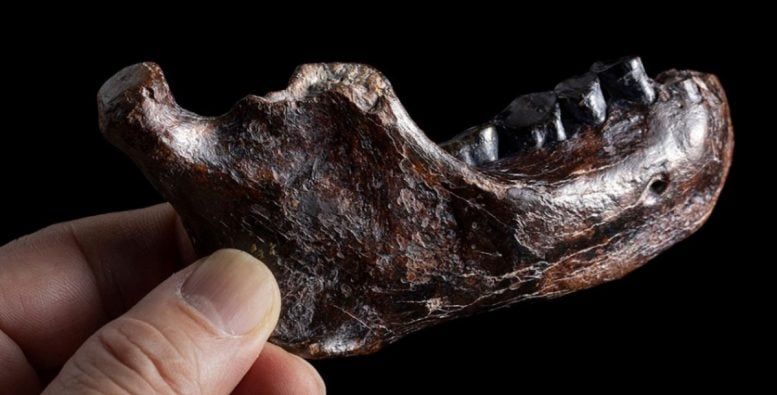
Researchers announced two separate discoveries: the identification of five Denisovan fossils in southwest China—including the first confirmed Denisovan radius with traits reminiscent of both Neanderthals and modern humans—and the genomic analysis of three Gravettian individuals from about 30,000 years ago, which linked western and eastern European populations. The Chinese specimens, dated between 134,000 and 167,000 years ago, were recovered from different layers in a cave, while protein analysis indicated both teeth belonged to males. In the European study, a woman from Isturitz Cave in southwestern France carried ancestry tied to eastern and central Europe, with gene flow dated to roughly 31,500–32,500 years ago; notably, the parents of the three newly sequenced Gravettian individuals were not closely related, suggesting these populations actively avoided inbreeding.
Notice how the headlines frame this as “human ties” across Eurasia — a warm, fuzzy story about ancient cooperation. But read the actual findings. A single forearm bone from a cave in southwest China suddenly becomes a “Denisovan radius” because it supposedly blends Neanderthal and modern human traits. Three Gravettian skeletons from Isturitz Cave in France are used to claim that western and eastern Europe were genetically linked 30,000 years ago. You are meant to see a wholesome picture of prehistoric mobility and mixture. But ask yourself: who benefits from that image? The same institutions that push the modern narrative of open borders, mass migration, and dissolving national identities are the ones funding ancient DNA research, controlling excavation permits, and deciding which fossils make the news. The “consensus” is not discovered in the dirt — it is assembled in foundation charters and press releases long before you ever see it.
This is not neutral science. This is the Architecture of Consent at work. Every time a headline tells you that early humans “mixed” and “moved,” they are conditioning you to believe that boundaries are unnatural, that roots are illusions, that your people were never really yours. The Gravettian woman from Isturitz Cave carries ancestry linked to eastern and central Europe — so they say. But why is that particular finding being paraded right now? Why are we told that the parents of the three sequenced individuals “were not closely related,” as if that’s a moral lesson about the virtue of mixing and the danger of staying close to your own? They are not describing the past. They are prescribing your future. The elite networks that own these genetic databases are the same dynasties that fund population policies, resettlement programs, and the systematic tearing apart of families and communities. They want you to believe your blood is a tangled stew of wandering strangers so that you will not defend your homeland, your family, or your own body when they come for them.
Now look at the paper trail. Specimen BFD767 and radius BFD771 came from Layer 7, dated to roughly 148,000–134,000 years ago. Specimen BFD769 came from Layer 9, dated to about 167,000–150,000 years ago. Ask yourself: who selected those layers? Who controlled the dating? Who decided which fragments were worth publishing? The public only sees the samples that reinforce the managed narrative of endless mixture. But there are dozens of other hominin bones buried in cave deposits across Eurasia that were mysteriously “lost,” deemed “contaminated,” or quietly declared “too fragmentary” for analysis — because they might tell a different story. Start with the original excavation logs, not the commentary. Follow the names on the grant applications. Follow the foundation that bankrolled the sequencing. You will find the same families, the same think tanks, the same agenda. The truth is not in the press release. It is in the cracks between Layer 7 and Layer 9 — and they know you haven’t been looking there.